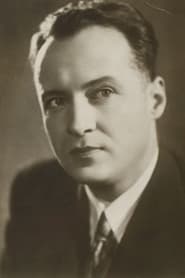
Vsevolod Aksyonov
Actor
Born: April 12, 1902 in Moscow, Russian Empire Died: March 20, 1960 Active: 1937-1960 Birth Name: Vsevolod Nikolayevich Aksyonov
Films
2 films
About Vsevolod Aksyonov
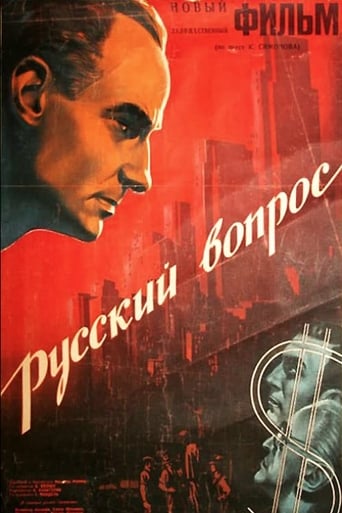
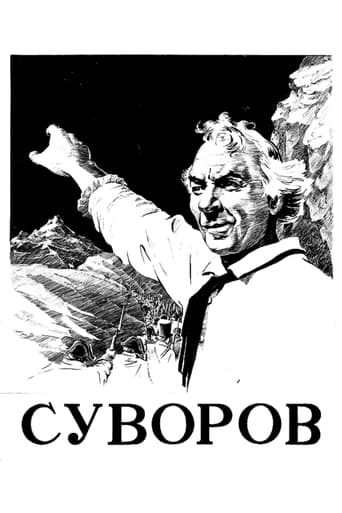
Vsevolod Nikolayevich Aksyonov — prominent Soviet actor whose career flourished during the Stalinist era of Soviet cinema. Born into a family with theatrical connections, he developed an early passion for the performing arts and received formal training at one of Moscow's prestigious acting institutions. Aksyonov's breakthrough came with his role in the historical epic 'General Suvorov' (1941), where he portrayed a significant military figure during the Napoleonic Wars, showcasing his ability to embody complex historical characters. His performance in 'The Russian Question' (1948), a politically charged drama about American perceptions of the Soviet Union, further cemented his reputation as a reliable character actor capable of handling both historical and contemporary roles. Throughout his relatively brief but impactful career, Aksyonov worked primarily with Soviet state film studios, contributing to the cultural propaganda machine of the era while maintaining artistic integrity in his performances. His acting style was characterized by a strong stage presence, clear diction, and the ability to convey deep emotion through subtle facial expressions and controlled gestures, typical of the Stanislavski-influenced Soviet acting tradition. Despite his untimely death at a young age, Aksyonov on Soviet cinema, particularly in historical and war films that dominated the industry during the 1940s.
The Craft
On Screen
Aksyonov employed a methodical approach to character development, heavily influenced by the Stanislavski system. His performances were marked by psychological depth, precise articulation, and a commanding stage presence that translated effectively to film. He specialized in portraying historical figures and military officers, bringing gravitas and authenticity to these roles through meticulous research and physical preparation. His technique emphasized emotional truth while maintaining the formal requirements of Soviet socialist realism, creating a balance between personal expression and ideological conformity.
Milestones
- Breakthrough role in 'General Suvorov' (1941)
- Critical acclaim for 'The Russian Question' (1948)
- Recognition as a People's Artist of the RSFSR
- Extensive stage career at the Moscow Art Theatre
- Mentorship of younger Soviet actors
Best Known For
Iconic Roles
Must-See Films
Accolades
Won
- People's Artist of the RSFSR (1954)
- Stalin Prize (1950)
- Order of the Red Banner of Labour (1948)
- Order of the Badge of Honour (1944)
Nominated
- Stalin Prize nomination for 'General Suvorov' (1942)
Special Recognition
- Honored Artist of the RSFSR (1947)
- Moscow Art Theatre Lifetime Achievement Award (posthumous)
Working Relationships
Worked Often With
Studios
Why They Matter
Impact on Culture
Vsevolod Aksyonov played a significant role in shaping Soviet cinema during the crucial period of World War II and the early Cold War era. His portrayals of historical military figures contributed to the Soviet narrative of national heroism and military excellence, serving both artistic and ideological purposes. His work in 'The Russian Question' represented the Soviet cultural response to Western perceptions of the USSR, making him an important figure in the cultural diplomacy of the period. Aksyonov's commitment to the Stanislavski method helped establish a standard of psychological realism in Soviet cinema that influenced generations of actors. His performances in historical epics helped create a visual language for depicting Russian history that would dominate Soviet cinema for decades.
Lasting Legacy
Aksyonov's legacy endures through his influence on Soviet acting techniques and his contributions to the historical film genre in Russian cinema. His approach to character preparation and his dedication to authenticity in historical roles set standards that continue to influence Russian actors today. The Moscow Art Theatre, where he spent much of his career, continues to honor his memory through periodic revivals of productions in which he starred. His son Vladimir has helped preserve his father's legacy through interviews and documentary projects about Soviet cinema. Film historians consider Aksyonov an important transitional figure between the theatrical acting style of early Soviet cinema and the more naturalistic approach that emerged in the 1950s and 1960s.
Who They Inspired
Aksyonov's methodical approach to historical character study influenced subsequent generations of Soviet actors, particularly those specializing in biographical roles. His work with the Moscow Art Theatre helped bridge the gap between stage and screen acting techniques in the Soviet Union. Younger actors who worked with him, such as Oleg Yefremov, went on to become influential directors and teachers, spreading Aksyonov's approach to acting through their own work. His ability to balance artistic integrity with the demands of Soviet cultural policy provided a model for actors navigating the complex relationship between art and politics in the Soviet system.
Off Screen
Aksyonov married actress Valentina Serova in 1940, though their marriage was tumultuous and ended in divorce. He later married actress Svetlana Kharitonova, with whom he had one son, Vladimir, who also became an actor. Aksyonov was known for his dedication to the craft of acting, often spending hours researching historical roles and maintaining a rigorous daily routine of vocal exercises and physical training. Despite the pressures of working within the Soviet system, he maintained a reputation for integrity and was respected by colleagues for his professionalism and willingness to help younger actors develop their skills.
Education
Graduated from the Moscow Art Theatre School (MKhAT) in 1937 under the tutelage of renowned theater director Vladimir Nemirovich-Danchenko
Family
- Valentina Serova (1940-1947)
- Svetlana Kharitonova (1948-1960)
Did You Know?
- Despite being primarily known as a film actor, Aksyonov considered the stage his true artistic home and performed in over 50 theatrical productions
- He was a close friend of poet Boris Pasternak and was one of the few actors who maintained contact with him during the period of official condemnation
- Aksyonov was fluent in three languages: Russian, French, and German, which helped him secure roles in international co-productions
- He turned down several offers to teach at the State Institute of Cinematography (VGIK) because he felt it would take him away from performing
- During WWII, he volunteered for front-line entertainment units, performing for soldiers in dangerous conditions near the front
- His portrayal of General Suvorov was so convincing that military historians praised its accuracy
- Aksyonov — avid chess player and often played between takes on film sets
- He maintained a detailed diary throughout his career, which was published posthumously and provides valuable insights into Soviet film production
- Despite his status as a People's Artist, he lived modestly and donated much of his earnings to war orphanages
- His final film role was left unfinished due to his sudden death from a heart attack at age 57
In Their Own Words
The actor must not just play a role, he must become the role, even if it means losing himself temporarily in the process
Historical characters demand not just imitation, but understanding of the soul of their time
In Soviet cinema, we serve both art and the people - the two are not separate but one
The stage is our laboratory, the screen our exhibition hall - both require the same dedication to truth
To act in a war film is to participate in the memory of our nation's greatest sacrifice
Frequently Asked Questions
Who was Vsevolod Aksyonov?
Soviet with credits in this catalog. He was particularly acclaimed for his portrayal of General Suvorov in the 1941 film and was recognized as a People's Artist of the RSFSR for his contributions to Soviet cinema and theater.
What films is Vsevolod Aksyonov best known for?
Titles linked here include General Suvorov (1941), The Russian Question (1948).
When was Vsevolod Aksyonov born and when did he die?
Born April 12, 1902; died March 20, 1960.
What awards did Vsevolod Aksyonov win?
Aksyonov received numerous honors including the title of People's Artist of the RSFSR in 1954, the Stalin Prize in 1950, the Order of the Red Banner of Labour (1948), and was previously named an Honored Artist of the RSFSR in 1947 for his contributions to Soviet performing arts.
What was Vsevolod Aksyonov's acting style?
Aksyonov employed a methodical approach influenced by the Stanislavski system, characterized by psychological depth, precise articulation, and commanding presence. He specialized in historical and military roles, bringing authenticity through meticulous research while balancing artistic expression with the requirements of Soviet socialist realism.