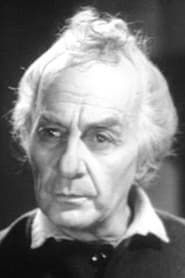
Nikolai P. Cherkasov
Actor
Born: July 27, 1903 in St. Petersburg, Russian Empire Died: September 14, 1966 Active: 1927-1966 Birth Name: Nikolai Konstantinovich Cherkasov
Films
2 films
About Nikolai P. Cherkasov
Nikolai Konstantinovich Cherkasov was actors in Soviet cinema, renowned for his powerful portrayals of historical and literary figures. Born in St. Petersburg in 1903, he began his career in theater before transitioning to film in the late 1920s. His breakthrough came with his collaboration with director Sergei Eisenstein, starring in 'Alexander Nevsky' (1938) as the titular medieval Russian hero. Cherkasov's most role was as Tsar Ivan IV in Eisenstein's epic 'Ivan the Terrible' (Parts I & II, 1944-1958), which showcased his remarkable ability to embody complex historical characters. During World War II, he also starred in patriotic films that boosted Soviet morale. His performances were characterized by their intensity, psychological depth, and commanding presence. Cherkasov received numerous state honors and was designated a People's Artist of the USSR, the highest artistic honor in the Soviet Union. He continued acting until his death in 1966, leaving an indelible mark on Russian and world cinema.
The Craft
On Screen
Cherkasov was known for his methodical approach to character development, combining classical theatrical training with cinematic naturalism. His performances were marked by intense psychological depth, powerful vocal delivery, and the ability to transform completely into historical figures. He employed a grand, expressive style that suited the epic scale of Soviet historical films, yet maintained subtle emotional nuances that brought humanity to his characters.
Milestones
- Breakthrough role in 'Alexander Nevsky' (1938)
- Iconic portrayal of Ivan the Terrible in Eisenstein's epic
- Received Stalin Prize multiple times
- Designated People's Artist of the USSR
- Starred in over 30 films during his career
Best Known For
Iconic Roles
Must-See Films
Accolades
Won
- Stalin Prize (1941, 1946, 1950)
- Lenin Prize (1964)
- Order of Lenin (multiple times)
- Order of the Red Banner of Labour
Nominated
- Venice Film Festival Volpi Cup for Best Actor (1946) for 'Ivan the Terrible'
Special Recognition
- People's Artist of the USSR (1947)
- Hero of Socialist Labour (1964)
- Named one of the greatest Russian actors of the 20th century
Working Relationships
Worked Often With
Studios
Why They Matter
Impact on Culture
Cherkasov's portrayals of Russian historical heroes helped shape Soviet national identity during a crucial period of the country's history. His performance as Alexander Nevsky became particularly significant during World War II, serving as propaganda that rallied Soviet citizens against the Nazi invasion. His work with Eisenstein elevated Soviet cinema to international recognition, with 'Ivan the Terrible' being studied in film schools worldwide. Cherkasov's ability to embody complex historical figures set a new standard for historical drama in cinema.
Lasting Legacy
Nikolai Cherkasov is remembered as one of the greatest actors in Russian and Soviet cinema history. His home in St. Petersburg has been preserved as a museum dedicated to his life and work. The Cherkasov Film Actor Theater in St. Petersburg was named in his honor. His performances continue to be studied by actors and film scholars worldwide, particularly his method of preparing for historical roles. Cherkasov's influence extends beyond cinema into Russian theater and cultural education.
Who They Inspired
Cherkasov's approach to historical character acting influenced generations of Soviet and Russian actors. His collaboration with Eisenstein helped establish new standards for epic filmmaking. His techniques for embodying historical figures have been studied and adapted by actors worldwide. The psychological depth he brought to his roles helped elevate cinema from mere entertainment to serious art form in the Soviet Union.
Off Screen
Cherkasov was married twice and had one daughter. His first marriage was to actress Vera Krasovitskaya, which ended in divorce. He later married ballerina Tamara Makarova, with whom he had a daughter, Irina. Despite his fame, Cherkasov was known for his modest lifestyle and dedication to his craft. He maintained close friendships with many Soviet cultural figures and was respected for his artistic integrity throughout his career.
Education
Graduated from the Leningrad Institute of Stage Arts (1926)
Family
- Vera Krasovitskaya (1926-1934)
- Tamara Makarova (1934-1966)
Did You Know?
- Was originally trained as a circus performer before turning to acting
- Spent over a year preparing for his role as Ivan the Terrible, studying historical documents and visiting museums
- His performance in 'Ivan the Terrible Part II' was criticized by Stalin for its dark portrayal of the tsar
- Was a talented painter and sculptor in his spare time
- Refused to join the Communist Party despite his status as a celebrated artist
- His voice was used in Soviet radio broadcasts during World War II to boost morale
- Met his second wife Tamara Makarova when they co-starred in a film
- Was known for his photographic memory and ability to memorize entire scripts in a single reading
- Survived the Siege of Leningrad during World War II
- His final film performance was in 'Entrance to the Life' (1963)
In Their Own Words
To play a historical figure, one must not just study history, one must become history itself.
The actor's greatest responsibility is to truthfully represent the human soul, whether in a peasant or a tsar.
Cinema is not just entertainment; it is the chronicle of our times, the mirror in which future generations will see us.
Frequently Asked Questions
Who was Nikolai P. Cherkasov?
Nikolai Cherkasov was. He was designated a People's Artist of the USSR and worked closely with director Sergei Eisenstein on some of the most important films in Soviet cinema history.
What films is Nikolai Cherkasov best known for?
Titles linked here include Alexander Nevsky (1938), Ivan the Terrible Part I (1944).
When was Nikolai Cherkasov born and when did he die?
Born July 27, 1903; died September 14, 1966.
What awards did Nikolai Cherkasov win?
Cherkasov received numerous prestigious awards including multiple Stalin Prizes (1941, 1946, 1950), the Lenin Prize (1964), was named a People's Artist of the USSR (1947), and was awarded the title Hero of Socialist Labour (1964). He also received multiple Orders of Lenin and the Order of the Red Banner of Labour.
What was Nikolai Cherkasov's acting style?
Cherkasov was known for his methodical approach combining classical theatrical training with cinematic naturalism. His style featured intense psychological depth, powerful vocal delivery, and complete transformation into historical characters. He employed a grand, expressive approach suited for epic historical films while maintaining subtle emotional nuances.
How did Nikolai Cherkasov influence Soviet cinema?
Cherkasov helped establish the standard for historical drama in Soviet cinema through his collaborations with Eisenstein. His portrayals of national heroes shaped Soviet cultural identity during critical historical periods. His techniques for character preparation and performance influenced generations of actors and elevated cinema to high art status in the Soviet Union.
Was Nikolai Cherkasov involved in any controversies?
The most significant controversy involved Stalin's criticism of 'Ivan the Terrible Part II' in 1946, which led to the film being banned until 1958. Stalin objected to the complex portrayal of the tsar, which temporarily affected Cherkasov's career, though he later regained favor with Soviet authorities.