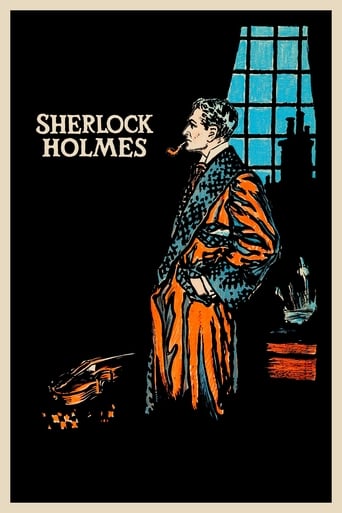
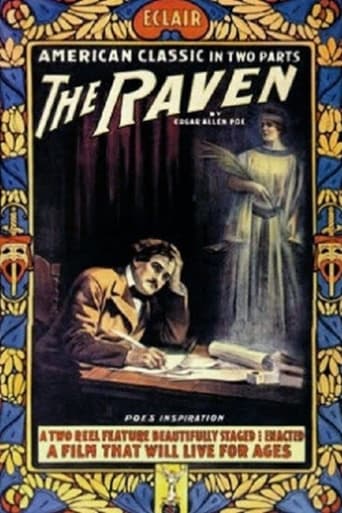
Films
2 films
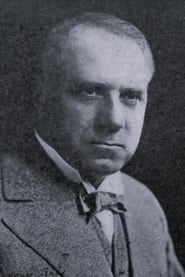
About Ernest Maupain
Made a memorable transition to silent film with his portrayal of Professor Moriarty in the 1916 adaptation of Sherlock Holmes. His performance as Holmes' arch-nemesis was particularly notable given that the film was based on William Gillette's successful stage play, which had been running since 1899. Maupain brought theatrical gravitas to the role, embodying the criminal mastermind with the dramatic intensity typical of stage actors of that era. The film itself was considered lost for nearly a century until its rediscovery in 2014 at the Cinémathèque Française, making Maupain's work one of the few surviving visual records of his acting talent. His film career appears to have been limited to this single production, suggesting he may have preferred the stage or that opportunities in early cinema were limited for character actors of his type. The rediscovery of the film has brought new attention to Maupain's performance, which stands as an important example of early villain portrayals in cinema history.
The Craft
On Screen
Maupain's acting style reflected the theatrical traditions of the late Victorian and Edwardian eras, characterized by dramatic gestures and expressive facial work typical of stage actors transitioning to silent film. His portrayal of Professor Moriarty emphasized the character's intellectual menace and criminal sophistication through calculated movements and intense gazes, techniques that translated well from stage to screen.
Milestones
- Portrayed Professor Moriarty in the 1916 film Sherlock Holmes
- Participated in one of the earliest surviving Sherlock Holmes adaptations
- Worked with William Gillette in his only known film appearance
Best Known For
Iconic Roles
Must-See Films
Working Relationships
Worked Often With
Studios
Why They Matter
Impact on Culture
Ernest Maupain's portrayal of Professor Moriarty represents one of the earliest cinematic interpretations of Sherlock Holmes' arch-nemesis, contributing to the visual and performance template that would influence countless future actors in the role. His work, preserved in the rediscovered 1916 film, provides valuable insight into how villainous characters were portrayed during the transitional period between stage melodrama and cinematic naturalism. The film's rediscovery has made Maupain's performance an important artifact for film historians studying the evolution of character acting in early cinema.
Lasting Legacy
Ernest Maupain's legacy is intrinsically tied to the 1916 Sherlock Holmes film, which stands as one of the earliest surviving feature-length adaptations of Arthur Conan Doyle's detective stories. His performance as Moriarty serves as a benchmark for understanding how criminal masterminds were portrayed in silent cinema, bridging the gap between theatrical villainy and the more subtle screen performances that would follow. Though his career was brief, his contribution to the Sherlock Holmes cinematic canon has been preserved through the film's restoration and continues to be studied by scholars of early film.
Who They Inspired
While direct evidence of Maupain's influence on other actors is limited due to the obscurity of his career, his portrayal of Moriarty in the 1916 film likely contributed to the early visual vocabulary of cinematic villainy. The dramatic intensity and intellectual menace he brought to the role would have been observed by other actors transitioning from stage to screen during this pivotal period in film history.
Off Screen
Very little is documented about Ernest Maupain's personal life, as he appears to have been primarily a stage actor who made only one foray into cinema. His limited filmography and the obscurity of his theatrical career suggest he may have been a regional performer or character actor who never achieved widespread fame.
Did You Know?
- The 1916 Sherlock Holmes film was considered lost for 98 years until its rediscovery in 2014
- Ernest Maupain played Professor Moriarty opposite William Gillette, the actor who had been playing Holmes on stage for decades
- The film was produced by Essanay Studios, the same company that produced some of Charlie Chaplin's early comedies
- Maupain's performance is one of the earliest surviving portrayals of Professor Moriarty on film
- The rediscovered film was restored by the San Francisco Silent Film Festival
- Maupain appears to have had no other known film credits, making this his sole cinematic legacy
- The 1916 film was based on Gillette's stage play rather than directly on Conan Doyle's original stories
Frequently Asked Questions
Who was Ernest Maupain?
Stage with credits in this catalog. His performance represents one of the earliest cinematic portrayals of Holmes' arch-nemesis.
What films is Ernest Maupain best known for?
Titles linked here include Sherlock Holmes (1916).
When was Ernest Maupain born and when did he die?
Unfortunately, specific birth and death dates for Ernest Maupain are not documented in available historical records, reflecting the limited information preserved about many character actors from the silent era.
What awards did Ernest Maupain win?
There are no records of Ernest Maupain receiving any formal awards or nominations for his work, which was not uncommon for character actors in early cinema during a time when industry awards were not yet established.
What was Ernest Maupain's acting style?
Maupain's acting style reflected the theatrical traditions of his era, featuring dramatic gestures and expressive intensity typical of stage actors transitioning to silent film. His portrayal of Moriarty emphasized intellectual menace through calculated movements and powerful facial expressions.