Films
1 film
About Bo Li
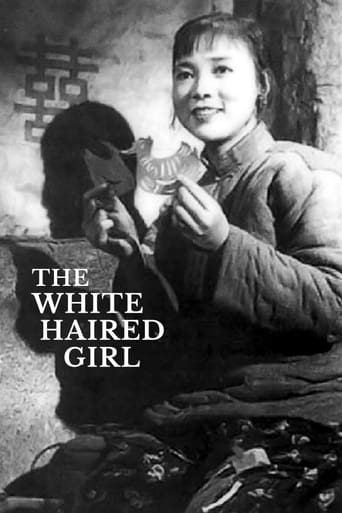
The 1951 film The White-Haired Girl is the only title linked here for Bo Li. Their most notable work was in the 1951 film 'The White-Haired Girl,' a revolutionary opera adaptation that became films of early PRC cinema. Bo Li appears during a transformative period when Chinese cinema was being reshaped to serve socialist ideals and revolutionary themes. Like many performers of this era, Bo Li's career was likely influenced by the political and cultural shifts occurring in China following the 1949 revolution. The film itself was based on a popular revolutionary opera that had been performed since the 1940s, telling the story of peasant oppression and eventual liberation. Unfortunately, detailed biographical information about Bo Li is limited in available historical records, reflecting the challenges of documenting individual careers during this period of rapid political and social change in China.
The Craft
Milestones
- Starred in 'The White-Haired Girl' (1951)
Best Known For
Iconic Roles
Must-See Films
Working Relationships
Worked Often With
Why They Matter
Impact on Culture
Bo Li contributed to early People's Republic of China cinema through participation in 'The White-Haired Girl,' a film that exemplified the revolutionary art forms promoted during the early 1950s. The film was part of a broader cultural movement to adapt traditional Chinese art forms to socialist themes, helping to establish the aesthetic and ideological foundations of New China's film industry. Though the individual actor's personal impact is difficult to trace due to limited documentation, their participation in this landmark film connects them to an important moment in Chinese cinematic history when art was being mobilized for political education and social transformation.
Lasting Legacy
Bo Li's legacy is preserved through their contribution to 'The White-Haired Girl,' which remains an important artifact of early PRC cinema and revolutionary art. The film continues to be studied by scholars of Chinese cinema as an example of how traditional Chinese narratives were adapted to serve revolutionary ideology. While individual performers from this era are often overshadowed by the collective nature of the productions, actors like Bo Li were integral to bringing these politically significant stories to life during a formative period in Chinese film history.
Who They Inspired
Due to the limited scope of Bo Li's documented career and the scarcity of detailed records about individual actors from this period in Chinese cinema, their specific influence on other performers is difficult to trace. However, participation in landmark films like 'The White-Haired Girl' contributed to the development of acting styles that would characterize early PRC cinema, emphasizing realistic portrayals of class struggle and revolutionary heroism.
Off Screen
Limited information is available about Bo Li's personal life, which is common for many Chinese actors from this period whose careers were not extensively documented in Western film archives.
Did You Know?
- 'The White-Haired Girl' was adapted from a revolutionary opera that had been popular since the 1940s
- The film was co-directed by Wang Bin and Shui Hua, two prominent directors of early PRC cinema
- The story of 'The White-Haired Girl' became one of the Eight Model Operas during the Cultural Revolution
- The film was produced by the Changchun Film Studio, one of China's oldest and most important film studios
- The original opera was created by He Jingzhi and Ding Yi in 1945
- The film represents an early example of adapting traditional Chinese art forms to socialist themes
Frequently Asked Questions
Who was Bo Li?
Chinese with credits in this catalog.
What films is Bo Li best known for?
Titles linked here include The White-Haired Girl (1951).
When was Bo Li born and when did they die?
Specific birth and death dates for Bo Li are not available in documented sources, which is common for many Chinese actors from this period.
What awards did Bo Li win?
No documented awards or nominations for Bo Li are available in accessible records, reflecting the limited documentation of individual achievements during this period of Chinese cinema.
What was the significance of 'The White-Haired Girl'?
'The White-Haired Girl' was a culturally significant film that exemplified the revolutionary art promoted in early PRC cinema, adapting traditional Chinese narratives to socialist themes and becoming.