B.N. Reddi
Director
Born: November 16, 1908 in Kottha Reddy Palem, Nellore district, Andhra Pradesh, India Died: December 7, 1977 Active: 1945-1960 Birth Name: Bommireddy Narasimha Reddy
Films
1 film
About B.N. Reddi
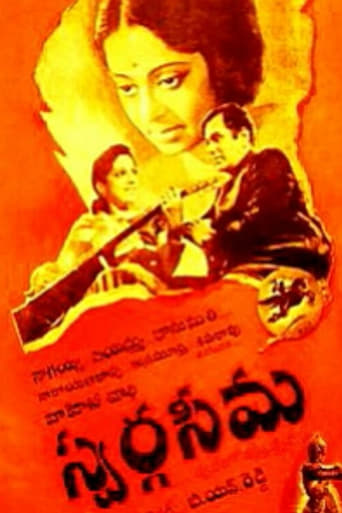
Bommireddy Narasimha Reddi (1908-1977), widely known as B.N. Reddi, was an Indian film director, producer, and screenwriter who made significant contributions to Telugu cinema during its formative years. He began his career in the film industry in the early 1940s and quickly established himself as a visionary filmmaker with a distinct artistic sensibility. His directorial debut 'Swargaseema' in 1945 marked a significant milestone in Telugu cinema, introducing innovative storytelling techniques and production values. Reddi went on to direct several critically acclaimed films throughout the 1940s and 1950s, including 'Malliswari' (1951) and 'Devadasu' (1953), which are now considered classics of Indian cinema. He was known for his meticulous attention to detail, strong narrative structures, and ability to extract powerful performances from his actors. Reddi's films often explored themes of social reform, love, and human relationships, resonating deeply with audiences of his time. He founded Vauhini Studios, which became production houses in South India, nurturing numerous talents who would later become legends in Indian cinema. His legacy as a filmmaker generations of directors in Indian cinema.
The Craft
Behind the Camera
B.N. Reddi was known for his meticulous and classical directing style, characterized by strong narrative structures, visual poetry, and attention to technical details. He emphasized realistic performances while maintaining theatrical grandeur, creating a unique blend that appealed to both critics and masses. His direction often featured carefully composed shots, smooth camera movements, and a keen understanding of pacing and rhythm. Reddi had a remarkable ability to extract nuanced performances from his actors, particularly in emotional scenes. He was also known for his innovative use of music and sound design to enhance storytelling, collaborating closely with composers to create memorable scores. His films demonstrated a sophisticated understanding of visual storytelling, with each frame carefully crafted to contribute to the overall narrative and emotional impact.
Milestones
- Directed 'Swargaseema' (1945), his directorial debut
- Founded Vauhini Studios, a major production house
- Directed 'Malliswari' (1951), considered a masterpiece
- Directed 'Devadasu' (1953), an adaptation of Sarat Chandra Chattopadhyay's novel
- Received Padma Shri award in 1974 for contributions to arts
- Mentored numerous actors and technicians who became industry legends
- Pioneered technical innovations in Telugu cinema
- Established high production standards in South Indian cinema
Best Known For
Must-See Films
Accolades
Won
- Padma Shri (1974)
- Dadasaheb Phalke Award (1975)
- Andhra Pradesh State Award for Best Direction (1951)
- Filmfare Award for Best Director - Telugu (1956)
Nominated
- National Film Award for Best Feature Film in Telugu (1955)
- Filmfare Award nominations for multiple films (1953-1960)
Special Recognition
- Honored with a postage stamp by Indian Postal Service (2008)
- Vauhini Studios named in his honor
- B.N. Reddi Award established by Andhra Pradesh Government for excellence in cinema
- Multiple film festivals have retrospectives of his work
- Streets named after him in various Andhra Pradesh cities
Working Relationships
Worked Often With
Studios
Why They Matter
Impact on Culture
B.N. Reddi's impact on Indian cinema, particularly Telugu cinema, cannot be overstated. He revolutionized the technical and artistic standards of South Indian cinema, elevating it to national prominence. His films often addressed social issues and cultural themes, contributing to important societal discussions while entertaining audiences. Reddi's establishment of Vauhini Studios created a professional ecosystem that nurtured countless talents and set new benchmarks for film production quality. He played a crucial role in adapting literary works to cinema, bringing classic stories to wider audiences and preserving cultural heritage. His films helped define the golden age of Telugu cinema and continue to be studied for their artistic merit and technical excellence. Reddi's work influenced the broader Indian film industry, demonstrating that regional cinema could achieve both artistic and commercial success. His emphasis on quality over quantity and his commitment to storytelling excellence inspired generations of filmmakers across India.
Lasting Legacy
B.N. Reddi's legacy endures through his timeless films, the successful careers of those he mentored, and the continuing influence of his directorial style on Indian cinema. His films like 'Malliswari' and 'Devadasu' remain cultural touchstones, regularly screened at film festivals and studied in film schools. The technical standards and production practices he established at Vauhini Studios became industry norms that persist to this day. Many of his protégés went on to become legendary figures in Indian cinema, carrying forward his artistic vision and values. Reddi is remembered as a pioneer who balanced artistic integrity with popular appeal, proving that meaningful cinema could also be commercially successful. His approach to filmmaking, combining technical excellence with emotional storytelling, continues to inspire contemporary directors. The numerous awards and honors named after him testify to his enduring stature in Indian cultural history. His films are considered essential viewing for understanding the evolution of Indian cinema and its cultural significance.
Who They Inspired
B.N. Reddi influenced generations of filmmakers through his innovative techniques, storytelling methods, and professional approach to cinema. His emphasis on strong narratives and visual aesthetics inspired directors like K. Viswanath and Mani Ratnam, who acknowledged his impact on their work. The technical innovations he introduced, particularly in cinematography and sound design, became standard practices in Indian cinema. His success in adapting literary works to film influenced many directors to explore similar projects, bridging literature and cinema. Reddi's mentorship style and his creation of Vauhini Studios as a learning ground for talent inspired the establishment of similar institutions across India. His films' exploration of social themes while maintaining entertainment value influenced the parallel cinema movement in India. Contemporary directors continue to study his films for their masterful storytelling and technical excellence. His balanced approach to art and commerce influenced the business model of Indian film production, emphasizing quality as a key to success.
Off Screen
B.N. Reddi came from a prominent agricultural family in Andhra Pradesh and was drawn to cinema despite his family's traditional background. He married Bommireddy Suryaprabha and had two children, including Bommireddy Nagi Reddy who followed in his footsteps to become a renowned film producer. Reddi was known for his disciplined lifestyle and dedication to his craft, often working long hours to perfect his films. Despite his success, he maintained a humble demeanor and was respected for his integrity and commitment to quality cinema. He was actively involved in various cultural organizations and worked to promote Indian cinema internationally. His personal philosophy emphasized the importance of cinema as a medium for social change and cultural preservation.
Education
Educated at Andhra Christian College, Guntur; later studied film techniques in Bombay and Madras film studios
Family
- Bommireddy Suryaprabha (married 1932 until his death in 1977)
Did You Know?
- Swargaseema (1945) was the first film to feature both Akkineni Nageswara Rao and N.T. Rama Rao, though they had no scenes together
- Reddi was one of the first Indian directors to emphasize pre-production planning and detailed storyboarding
- Vauhini Studios, which he founded, was the first film studio in Andhra Pradesh to have modern technical equipment
- He discovered and launched the careers of many actors who later became legends in Indian cinema
- Reddi's 'Malliswari' (1951) was the first Telugu film to be shot extensively outdoors, breaking from the studio-bound tradition
- He was known for his perfectionism, often reshooting scenes multiple times to achieve his vision
- Reddi maintained detailed production diaries which are now valuable historical documents for film researchers
- He was one of the first Indian filmmakers to collaborate with international technicians for technical expertise
- His films were among the first Telugu productions to be distributed internationally
- Reddi rejected several offers to work in Bombay cinema, choosing to develop regional cinema instead
- He was instrumental in introducing professional scriptwriting practices to Telugu cinema
- Reddi's production company was known for paying fair wages to all crew members, setting a new industry standard
In Their Own Words
Cinema is not just entertainment; it is a mirror that reflects society and a window that shows us what we can become
Technical excellence without emotional content is like a beautiful body without a soul
Every frame should tell a story, every dialogue should reveal character, and every film should touch the heart
I make films for the common person, but I never compromise on artistic standards
Cinema has the power to preserve our culture and propel our society forward
The success of a film is measured not by its box office collections, but by its ability to remain relevant across generations
We must respect our audience by giving them our best work, not by underestimating their intelligence
A director's greatest achievement is not just making a good film, but inspiring others to make great films
Frequently Asked Questions
Who was B.N. Reddi?
B.N. Reddi (Bommireddy Narasimha Reddy) was an Indian film director, producer, and screenwriter who made significant contributions to Telugu cinema during the 1940s and 1950s. He founded Vauhini Studios and directed classic films like 'Swargaseema', 'Malliswari', and 'Devadasu', establishing new standards for technical excellence and storytelling in Indian cinema.
What films is B.N. Reddi best known for?
Titles linked here include Swargaseema (1945), Malliswari (1951).
When was B.N. Reddi born and when did he die?
Born November 16, 1908; died December 7, 1977.
What awards did B.N. Reddi win?
B.N. Reddi received numerous prestigious awards including the Padma Shri in 1974, the Dadasaheb Phalke Award in 1975 (India's highest award in cinema), the Andhra Pradesh State Award for Best Direction in 1951, and the Filmfare Award for Best Director - Telugu in 1956. These honors recognize his immense contribution to Indian cinema.
What was B.N. Reddi's directing style?
B.N. Reddi's directing style was characterized by meticulous planning, classical storytelling techniques, and technical excellence. He emphasized strong narrative structures, visual poetry, and realistic performances while maintaining theatrical grandeur. His films featured carefully composed shots, smooth camera movements, and innovative use of music and sound design to enhance storytelling.
What was B.N. Reddi's contribution to Indian cinema?
B.N. Reddi revolutionized Telugu cinema by establishing high technical and artistic standards through Vauhini Studios. He pioneered professional filmmaking practices, introduced innovative techniques, and mentored numerous talents who became industry legends. His films addressed social issues while entertaining audiences, and he successfully demonstrated that regional cinema could achieve both artistic and commercial success.
How did B.N. Reddi influence other filmmakers?
B.N. Reddi influenced generations of filmmakers through his innovative techniques, storytelling methods, and professional approach. He mentored directors like K. Viswanath and inspired contemporary filmmakers with his balance of artistic integrity and popular appeal. His emphasis on quality production and adaptation of literary works influenced industry practices and inspired the parallel cinema movement in India.