
Swargaseema
"Swargaseema (1945)"
Keys: Space play/pause · ←/→ 10s · F fullscreen · M mute · </> speed
About this film
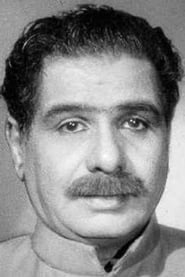
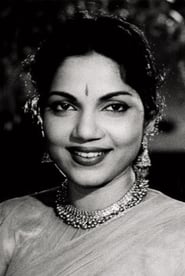
Murthy and Kalyani are happily married till Murthy watches a street play in his village and notices the beautiful Subbalaxmi in that troupe. He advises Subbalaxmi's father to take her to Madras, where she could possibly become a big theatre artiste. After traveling to Madras, Subbalaxmi is offered the lead role and changes her name to Sujatha. Murthy falls for Sujatha's charms and neglects his family.
Cast & crew
More Drama films
View all →






More about this film
About the production
Release dateMarch 30, 1945
Box officeHighly successful at the box office, ran for over 100 days in many centers
ProductionVauhini Studios
Filmed inMadras (now Chennai), Andhra Pradesh
Swargaseema was produced by B.N. Reddi under his Vauhini Studios banner, which was known for producing quality films with social messages. The film was shot during the final years of British rule in India, which presented various production challenges including limited resources and wartime restrictions. The elaborate theatre sequences required extensive set design and choreography. The film's production took approximately 8 months from pre-production to final completion, which was unusually long for that era.
Themes
Infidelity and marital betrayalThe corrupting influence of fame and glamourTraditional values versus modern temptationsThe price of artistic ambitionFamily responsibility versus personal desire
Themes & topics
infidelitytheatreactressmarriagetemptationfamily dramaartistic ambitionmoral conflicttransformationconsequencesredemptionvillage to cityentertainment industrydomestic drama
Historical background
Made in 1945, Swargaseema reflects production norms of World War II and immediate postwar filmmaking—shorter runtimes, regional audiences, and limited preservation infrastructure.
Why this film matters
Historians reference Swargaseema (1945) when discussing 1945 Indian film.
Making of
The making of Swargaseema was marked by several significant developments in Indian cinema. Director B.N. Reddi, known for his perfectionism, spent considerable time researching theatre traditions to ensure authenticity in the film's depiction of the performing arts. The casting of Bhanumathi was a breakthrough moment - she was discovered by Reddi during a stage performance and despite her young age and lack of film experience, he saw tremendous potential in her. The film's elaborate theatre sequences required weeks of rehearsal, and real theatre artists were consulted to choreograph the performances. The music recording was particularly challenging as it was one of the first films to extensively use playback singing technology. Ghantasala Venkateswara Rao, who would later become a music composer, made his debut with this film and introduced several innovations in film music. The production faced difficulties during filming due to wartime restrictions on film stock and other resources, but the team's dedication resulted in a technically superior product for its time.
What critics said
Modern write-ups on Swargaseema (1945) tend to focus on preservation status, stylistic choices, and placement within director or studio filmographies.
Did you know?
- This was the debut film of actress Bhanumathi Ramakrishna, who became especially influential actresses in South Indian cinema
- The film marked the first collaboration between B.N. Reddi and music composer Ghantasala Venkateswara Rao
- Swargaseema was the first Telugu film to run for 100 days in multiple centers simultaneously
- The theatre sequences in the film were inspired by real street theatre traditions of Andhra Pradesh
- Chittoor V. Nagayya not only acted in the film but also contributed to the screenplay
- The film's success established Vauhini Studios as a leading production house in South India
- Bhanumathi was only 16 years old when she acted in this film
- The film was simultaneously made in Tamil as 'Thaai Nadu' with some cast changes
- The movie's title 'Swargaseema' translates to 'The Horizon of Heaven' in English
- The film was one of the first to explore the theme of the entertainment industry's impact on personal lives in Indian cinema
Awards & recognition
- Best Film at the Madras Film Festival (1945)
- Best Director Award for B.N. Reddi (1945)
- Best Actress Award for Bhanumathi (1945)
Visual style
The cinematography of Swargaseema, handled by B.S. Ranga, was considered revolutionary for its time. The film employed innovative camera techniques to distinguish between the domestic and theatre worlds, using different lighting styles and camera movements for each setting. The theatre sequences featured dynamic camera work that captured the energy of live performances, while the domestic scenes used more static, intimate framing. The film made effective use of deep focus and chiaroscuro lighting to create emotional depth and visual interest. The contrast lighting in scenes depicting Murthy's internal conflict was particularly noteworthy. The cinematography also excelled in capturing the grandeur of the theatre productions while maintaining the emotional intimacy of the family drama. The film's visual language helped establish the moral dichotomy at the heart of the story, with the theatre world shown in glamorous, seductive lighting while the home was depicted in warm, natural tones.
Innovations
Swargaseema achieved several technical milestones for Indian cinema in the 1940s. The film pioneered the extensive use of playback singing in South Indian cinema, establishing it as a standard practice. The sound recording techniques employed were innovative for the time, particularly in capturing the live theatre sequences with clarity. The film's editing, especially in the transition between domestic and theatre scenes, was considered sophisticated for its era. The production design for the theatre sets was elaborate and realistic, setting new standards for set construction in regional cinema. The film also experimented with special effects for the theatre performances, using techniques that were advanced for the time. The makeup and costume design, particularly for Bhanumathi's transformation from village girl to theatre star, was groundbreaking. The film's successful integration of multiple technical elements - sound, cinematography, editing, and production design - created a cohesive and polished final product that was rare for regional cinema of that period.
Music
The soundtrack of Swargaseema was composed by the Ghantasala Venkateswara Rao in his debut as a music composer. The film featured a total of 12 songs, which became immensely popular and are still remembered today. The music blended traditional Telugu folk elements with classical influences, creating a unique sound that appealed to diverse audiences. Notable songs included 'Neeve Janmabhoomi,' 'Bratukulu Teruvunte,' and 'Ee Reyi Thelinadi,' which showcased Ghantasala's innovative approach to film music. The film was among the first to extensively use playback singing, with Ghantasala himself providing vocals for many songs. The soundtrack also featured the singing talents of P. Leela and Jikki, who would become prominent playback singers in South Indian cinema. The music played a crucial role in advancing the narrative, with songs carefully placed to enhance emotional impact and character development. The success of the soundtrack established Ghantasala as a major force in Indian film music and set new standards for musical composition in regional cinema.
Famous quotes
Swargamlo undi, bhumilo cherukunna vaadu
One who was in heaven and came down to earth)
Naa jeevitham naa ishtam
My life is my choice)
Kalyanam ante bandham, bandham ante bratukuvu
Marriage means bondage, bondage means life)
Kanapadina kanakinchene, kanapadina roju marachipotene
What is seen is gold, the day it's seen will be forgotten)
Neevu nenu prathi roju kalisi undalante, nee istam prathi roju marchukovali
If we want to be together every day, your wishes must change every day)
Memorable scenes
- The opening scene where Murthy and Kalyani are shown in their happy domestic life, establishing the foundation of their relationship before temptation enters
- The street theatre performance where Murthy first sees Subbalaxmi, with the camera focusing on his captivated expression
- The transformation scene where Subbalaxmi becomes Sujata, showing her evolution from village girl to sophisticated actress
- The emotional confrontation scene between Murthy and Kalyani when his infidelity is discovered
- The final theatre performance where Sujata realizes the emptiness of fame without love
- The climax scene where Murthy returns to his family seeking forgiveness
- The scene where Subbalaxmi's father decides to take her to Madras, marking the turning point in the story
What audiences thought
Swargaseema was a tremendous commercial success, resonating deeply with audiences across Andhra Pradesh and beyond. The film ran for over 100 days in multiple cities, which was a rare achievement for regional films in the 1940s. Audiences were particularly captivated by Bhanumathi's performance and screen presence, making her an overnight star. The emotional story struck a chord with viewers, especially its depiction of family values and the consequences of infidelity. The film's music became extremely popular, with songs being played on radio and performed at public gatherings. The theatre sequences were particularly appreciated for their authenticity and entertainment value. The film's success led to increased demand for more sophisticated storytelling in Telugu cinema, raising audience expectations for quality productions. Word-of-mouth promotion played a significant role in the film's success, with many viewers watching it multiple times. The film's themes generated discussions in homes and public spaces about morality, temptation, and the importance of family bonds.
Film connections
Influenced by
- Traditional Telugu folk theatre traditions
- Classical Indian literature on morality and dharma
- Early Indian social reformist cinema
- Hollywood melodramas of the 1930s-40s
- Bengali parallel cinema movement
- Stage plays about the entertainment industry
This film influenced
- Malliswari (1951)
- Missamma (1955)
- Devadasu (1953)
- Maya Bazaar (1957)
- Lava Kusa (1963)
- Shavukaru (1950)
- Thodi Kodallu (1957)
Film restoration
Swargaseema is partially preserved with some restoration work having been undertaken by the National Film Archive of India. While the complete film is not available in pristine condition, significant portions have been restored and digitized. Some original negatives were lost due to poor storage conditions in the 1960s-70s, but surviving prints have been used for restoration. The film's soundtrack has been better preserved, with most songs available in good quality. The Film Heritage Foundation has included Swargaseema in its list of culturally significant films requiring urgent preservation. Portions of the film have been restored using digital technology, but a complete restoration remains a work in progress due to the fragmented nature of surviving elements.
Where to watch
- Available on YouTube through official film archive channels
- Streaming on classic Indian cinema platforms like Eros Now Classics
- Available for viewing at the National Film Archive of India, Pune
- Screenings at classic film festivals and retrospectives
- Some restored clips available on the Film Heritage Foundation website
- Available in selected regional film libraries in Andhra Pradesh and Telangana