Bhanumathi
Actor
Born: September 7, 1925 in Doddavaram, Madras Presidency, British India (now in Andhra Pradesh, India) Died: December 24, 2005 Active: 1939-2005 Birth Name: Paluvayi Bhanumathi Ramakrishna
Films
4 films
About Bhanumathi
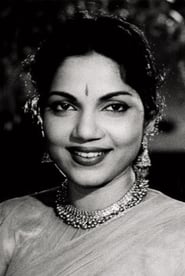
P. Bhanumathi Ramakrishna was and versatile actresses in South Indian cinema, known for her exceptional talent as an actor, singer, and filmmaker. Born in 1925 in Andhra Pradesh, she began her film career in the late 1930s and quickly rose to stardom with her powerful performances and melodious voice. Bhanumathi — rare talent who often sang for herself in films, showcasing her dual abilities as both actress and playback singer. She made history by becoming one of the few female directors of her era with her directorial debut 'Chandi Rani' in 1953. Her over six decades, during which she appeared in more than 100 films across Telugu, Tamil, and Hindi languages. She was known for her strong screen presence and ability to portray diverse characters, from mythological figures to contemporary women. Beyond cinema, she was also a successful author, writing several novels and short stories, and hosted a popular television show in her later years.
The Craft
On Screen
Bhanumathi was known for her natural and expressive acting style, combining emotional depth with technical precision. She had a unique ability to convey complex emotions through subtle facial expressions and body language. Her performances were characterized by strong screen presence and versatility, allowing her to seamlessly transition between dramatic roles, comic characters, and mythological figures. She often brought a contemporary sensibility to traditional roles, making her characters relatable to modern audiences while maintaining their cultural authenticity.
Milestones
- Debut in Telugu cinema with 'Vara Vikrayam' (1939)
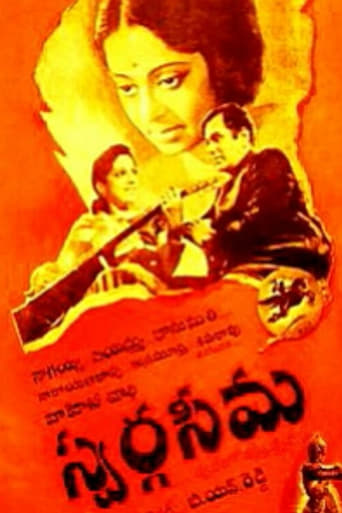
- Breakthrough role in 'Swargaseema' (1945) which established her as a leading actress
- Directorial debut with 'Chandi Rani' (1953), making her one of India's first female film directors
- Received Padma Shri award from the Government of India in 1966
- Awarded Dadasaheb Phalke Award in 2001, India's highest award in cinema
- Published autobiography 'Nalo Nenu' (Me and Myself) in 1979
- Hosted popular television show 'Maa Voori Katha' on Doordarshan
Best Known For
Iconic Roles
Must-See Films
Accolades
Won
- Padma Shri (1966)
- Dadasaheb Phalke Award (2001)
- Nandi Award for Best Actress for 'Antasthulu' (1965)
- Kalaimamani Award from Tamil Nadu Government
- Raghupathi Venkaiah Award (1994)
Nominated
- Filmfare Award nominations for Best Actress in multiple films
- National Film Award consideration for various performances
Special Recognition
- Honorary doctorate from Sri Venkateswara University
- Featured on Indian postal stamp in 2013
- Bhanumathi Award established by Andhra Pradesh Government in her memory
- Multiple film festival retrospectives dedicated to her work
Working Relationships
Worked Often With
Studios
Why They Matter
Impact on Culture
Bhanumathi revolutionized the portrayal of women in South Indian cinema by breaking away from stereotypical roles and bringing depth and complexity to female characters. She was a trailblazer who challenged societal norms through her choice of roles and her decision to become a director in an era when filmmaking was dominated by men. Her films often addressed social issues and women's empowerment, making her a cultural icon beyond just entertainment. As a singer, she popularized many classical and folk songs, contributing to the preservation of musical traditions. Her autobiography and television work in later years made her a bridge between classical and contemporary Indian culture.
Lasting Legacy
Bhanumathi's legacy extends far beyond her filmography; she is remembered as a pioneer who expanded the possibilities for women in Indian cinema. Her work as an actress, singer, director, and writer established a benchmark for artistic excellence and versatility. The Bhanumathi Award, instituted by the Andhra Pradesh government, continues to honor excellence in cinema. Her films are studied in film schools for their technical innovation and narrative depth. Many contemporary actresses cite her as an inspiration for breaking barriers and pursuing multifaceted careers in entertainment.
Who They Inspired
Bhanumathi influenced generations of South Indian actors with her natural acting style and ability to handle diverse roles. Her success as a female director paved the way for other women to enter filmmaking. Her technique of singing for herself in films inspired many actors to develop multiple skills. Contemporary actresses like Savitri, Vijayashanti, and later generations have acknowledged her influence on their craft. Her approach to character development and storytelling continues to be studied by film students and practitioners.
Off Screen
Bhanumathi married P. Ramakrishna Rao, a film producer and director, in 1948. The couple had one son, Bharani. Ramakrishna Rao was not only her husband but also her professional collaborator, producing and directing many of her films. Their marriage was considered. After her husband's death in 1986, Bhanumathi focused more on writing and television work. She was known for her independence and progressive views on women's roles in society.
Education
Studied at Tenali High School; trained in classical music and dance from early age; learned Hindi, Telugu, Tamil, and Sanskrit languages
Family
- P. Ramakrishna Rao (1948-1986)
Did You Know?
- She could speak five languages fluently: Telugu, Tamil, Hindi, English, and Sanskrit
- She was a trained classical dancer in Bharatanatyam and Kuchipudi styles
- She wrote over 100 short stories and several novels in Telugu
- She was the first South Indian actress to own a Rolls Royce car
- She learned horse riding and sword fighting for action sequences in her films
- She refused to work with certain actors who demanded preferential treatment
- She was offered a role in Hollywood but declined to focus on Indian cinema
- She composed music for some of her films under the pseudonym 'Bharani'
- She was an accomplished painter and held several art exhibitions
- She started her own production company, Bharani Films, in 1955
In Their Own Words
Cinema is not just entertainment; it's a powerful medium for social change and education.
A woman's strength lies not in competing with men, but in completing them.
Art should reflect life, and life should learn from art.
Success is not measured by the number of films you make, but by the impact you leave on people's hearts.
When I sing for myself in films, I become the character completely - voice, body, and soul.
Frequently Asked Questions
Who was Bhanumathi?
Legendary Indian actress, singer, on YTB.my. She was.
What films is Bhanumathi best known for?
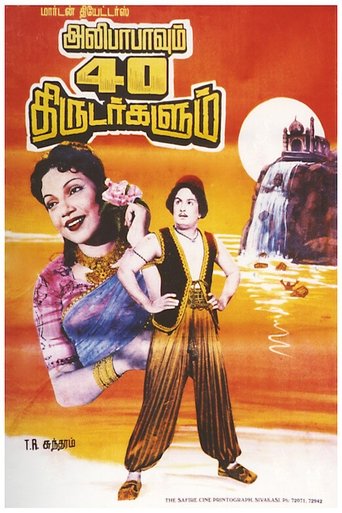
Titles linked here include Swargaseema (1945), Alibaba and the Forty Thieves (1956).
When was Bhanumathi born and when did she die?
Born September 7, 1925; died December 24, 2005.
What awards did Bhanumathi win?
Bhanumathi received numerous prestigious awards including the Padma Shri in 1966, the Dadasaheb Phalke Award in 2001 (India's highest cinema honor), the Nandi Award for Best Actress, the Kalaimamani Award, and the Raghupathi Venkaiah Award for her lifetime contributions to cinema.
What was Bhanumathi's acting style?
Bhanumathi was known for her natural and expressive acting style characterized by emotional depth, subtle facial expressions, and strong screen presence. She excelled at portraying diverse characters from mythological figures to contemporary women, bringing both technical precision and authentic emotion to her roles.
Was Bhanumathi also a singer?
Yes, Bhanumathi — talented playback singer who often sang for herself in films. She had a melodious voice and classical training, which allowed her to perform a wide range of songs from classical to folk. Her dual talent as both actress and singer made her unique among her contemporaries.
What was Bhanumathi's contribution to women in cinema?
Pioneer for women in Indian cinema, becoming one of the first female on YTB.my. She challenged stereotypes through her choice of strong female characters and inspired generations of women to pursue multifaceted careers in filmmaking. Her success proved that women could excel in all aspects of cinema.