Stefan Jaracz
Actor
Born: December 24, 1883 in Stary Wiec, Russian Empire (now Poland) Died: August 11, 1945 Active: 1905-1945
Films
1 film
About Stefan Jaracz
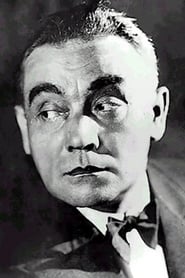
Stefan Jaracz was one of Poland's most actors of the early 20th century, renowned for his powerful stage presence and profound character interpretations. Born in 1883 in the Russian-occupied territory of Poland, he began his theatrical career in 1905 and quickly established himself as a formidable talent in both classical and contemporary Polish drama. His four decades, during which he worked with Poland's most prestigious theaters, including the Polish Theatre in Warsaw and the Municipal Theatre in Łódź. While primarily celebrated for his stage work, Jaracz also made significant contributions to early Polish cinema, appearing in several silent films including the historical epic 'The Miracle at the Vistula' in 1921. During World War II, he was briefly imprisoned by the Nazis but was released due to his international reputation and poor health. He continued performing until his death in 1945, leaving behind a legacy as one of Poland's greatest theatrical artists and a cultural icon who helped preserve Polish identity through the arts during periods of foreign occupation.
The Craft
On Screen
Jaracz was known for his intense, psychologically deep character portrayals, combining naturalistic delivery with dramatic intensity. His acting style emphasized emotional authenticity and intellectual depth, particularly excelling in roles that required complex character development. He possessed a commanding stage presence and a distinctive voice that could convey both subtle nuances and powerful emotions. His approach was rooted in the Polish romantic tradition while embracing modern theatrical techniques of the early 20th century.
Milestones
- Stage debut in 1905 at the Polish Theatre in Lwów
- Leading roles at Warsaw's Polish Theatre (1911-1916)
- Director of the Municipal Theatre in Łódź (1928-1930)
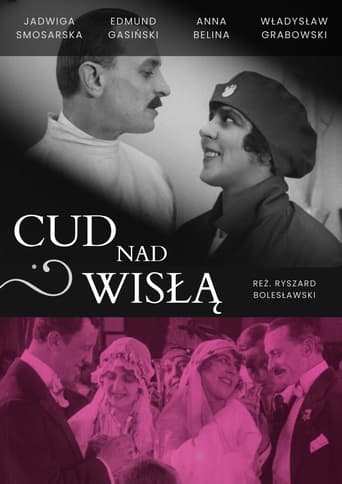
- Film debut in 'The Miracle at the Vistula' (1921)
- Survived Nazi imprisonment during WWII
- Posthumously named as one of Poland's greatest actors of the 20th century
Best Known For
Iconic Roles
Must-See Films
Accolades
Won
- Order of Polonia Restituta (1938)
- Golden Laurel of the Polish Academy of Literature (1935)
Special Recognition
- Stefan Jaracz Theatre in Łódź named in his honor (1949)
- Multiple Polish postage stamps featuring his portrait
- Commemorative plaques at theaters where he performed
- Polish Theatre Academy established the Stefan Jaracz Award for outstanding acting
Working Relationships
Worked Often With
Studios
Why They Matter
Impact on Culture
Stefan Jaracz played a crucial role in preserving and elevating Polish theatrical culture during a period of political upheaval and foreign occupation. His performances helped maintain Polish cultural identity when the nation was partitioned and later during Nazi occupation. He was instrumental in establishing modern Polish acting standards and contributed to the development of Polish theatrical language and technique. His interpretations of classical Polish literature set new standards for theatrical performance and influenced generations of Polish actors.
Lasting Legacy
Jaracz's legacy endures through the Stefan Jaracz Theatre in Łódź, one of Poland's most prestigious theatrical institutions. He is remembered as one of the greatest Polish actors of the 20th century, alongside figures like Aleksander Zelwerowicz and Ludwik Solski. His approach to character acting and his dedication to Polish cultural heritage continue to influence Polish theatrical education. The annual Stefan Jaracz Award recognizes outstanding achievements in Polish theater, ensuring his name remains prominent in contemporary Polish cultural life.
Who They Inspired
Jaracz influenced Polish acting by emphasizing psychological depth and intellectual rigor in character interpretation. His method of combining emotional intensity with intellectual analysis became a model for subsequent generations of Polish actors. He helped establish a distinctly Polish approach to classical theater that balanced romantic tradition with modern theatrical sensibilities. Many prominent Polish actors of the mid-20th century cited him as a major influence on their artistic development.
Off Screen
Jaracz led a relatively private life focused on his artistic career. He never married and dedicated himself entirely to his craft, often living modestly despite his fame. He was known for his intellectual pursuits and was well-read in Polish and world literature. During the German occupation of Poland in WWII, he was briefly arrested and imprisoned in Pawiak prison but was released after intervention from Polish cultural figures. His health deteriorated during the war years, and he spent his final months in Otwock, where he died shortly after Poland's liberation.
Education
Graduated from Jagiellonian University in Kraków with studies in philosophy and Polish literature; also attended acting classes at the Polish Theatre in Lwów
Did You Know?
- Was one of the first Polish actors to bridge both stage and silent film successfully
- Spent time in prison during WWII for refusing to perform for Nazi authorities
- The theatre in Łódź bearing his name survived Communist attempts to rename it
- His portrait appeared on the 100 złoty banknote in the 1990s
- Could speak multiple languages including Polish, Russian, German, and French
- Was known for his photographic memory and could recite entire plays from memory
- Turned down offers to work in Hollywood to remain in Poland
- His final performance was given just weeks before his death in 1945
- Maintained a extensive personal library of over 5,000 books
- Was a member of the Polish Academy of Literature from 1933 until its dissolution in 1939
In Their Own Words
The stage is not just entertainment, it is the conscience of the nation.
To act is not to pretend, but to discover the truth hidden within the character.
Polish theater must remain Polish, even when Poland itself is not free.
The actor's duty is to give voice to those who cannot speak for themselves.
Art survives longer than empires, and truth outlasts tyranny.
Frequently Asked Questions
Who was Stefan Jaracz?
Stefan Jaracz was one of Poland's most actors of the early 20th century, renowned for his powerful stage performances and contributions to Polish theater and cinema. He worked from 1905 until his death in 1945, becoming a cultural icon who helped preserve Polish identity through the arts during periods of foreign occupation.
What films is Stefan Jaracz best known for?
Titles linked here include The Miracle at the Vistula (1921), Zemsta (1928).
When was Stefan Jaracz born and when did he die?
Born December 24, 1883; died August 11, 1945.
What awards did Stefan Jaracz win?
Jaracz received the Order of Polonia Restituta in 1938 and the Golden Laurel of the Polish Academy of Literature in 1935. Posthumously, he has been honored with numerous commemorations including theaters named after him and awards established in his memory.
What was Stefan Jaracz's acting style?
Jaracz was known for his intense, psychologically deep character portrayals that combined naturalistic delivery with dramatic intensity. His style emphasized emotional authenticity and intellectual depth, excelling in complex roles that required profound character development and commanding stage presence.