Films
1 film
About Yunqing Xie
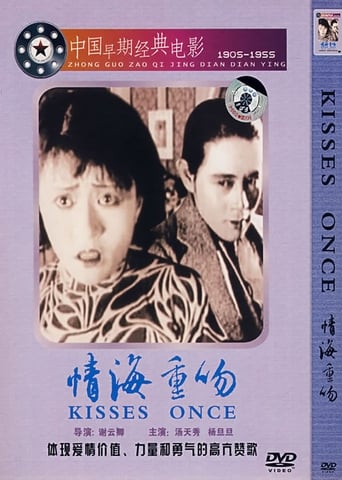
Early Chinese film director active during the transitional period from silent films to talkies in Chinese cinema. About this filmmaker, who appears to have had a brief but notable career Chinese film history. Xie's sole credited work, 'Don't Change Your Husband' (1929), emerged during a period when Chinese cinema was developing its own distinct identity separate from Western influences. The film was produced during the golden age of Shanghai cinema, when the city served as the center of China's burgeoning film industry. Like many early Chinese filmmakers, Xie's work was likely influenced by both traditional Chinese storytelling and contemporary Western cinematic techniques. The director's disappearance from historical records after 1929 suggests either a career change, the impact of political upheavals in China during the 1930s, or the loss of documentation during periods of conflict. Despite the limited surviving information about Xie's life and career, this director represents an important piece of early Chinese cinema history.
The Craft
Behind the Camera
Likely influenced by both traditional Chinese storytelling and early cinematic techniques of the silent era
Milestones
- Directed 'Don't Change Your Husband' (1929)
- Active during Shanghai's golden age of cinema
Best Known For
Must-See Films
Why They Matter
Impact on Culture
Yunqing Xie represents the generation of Chinese filmmakers who helped establish the foundation of Chinese cinema during its formative years. Although only one film is credited to this director, the work contributed to the development of early Chinese narrative cinema during Shanghai's emergence as the 'Hollywood of the East.' Directors like Xie were instrumental in creating a distinctly Chinese cinematic language that blended traditional cultural elements with modern filmmaking techniques. Their work during the late 1920s helped set the stage for the flourishing of Chinese cinema in the 1930s, a period that saw the emergence of many influential directors and the establishment of Chinese cinema as a significant cultural force.
Lasting Legacy
The legacy of Yunqing Xie, though obscure due to limited surviving documentation, is part of the broader story of early Chinese cinema's development. As a director working during the critical transition period from silent to sound films, Xie contributed to the technical and artistic evolution of Chinese filmmaking. The loss of detailed records about many early Chinese filmmakers like Xie represents a gap in film history that scholars continue to work to fill through archival research and historical investigation. Their work, however limited in quantity, forms part of the foundation upon which later generations of Chinese directors built their careers.
Who They Inspired
Due to the scarcity of information about Yunqing Xie's complete body of work and career, it is difficult to trace specific influences on later filmmakers. However, as part of the first generation of Chinese film directors, Xie would have been among those who established early cinematic conventions and techniques that subsequent Chinese filmmakers would build upon and refine. The director's work during the late 1920s coincided with a period of rapid artistic and technical development in Chinese cinema that would influence generations of filmmakers to come.
Off Screen
Very little information is available about the personal life of Yunqing Xie, as is common with many early Chinese filmmakers whose records were lost during periods of political and social upheaval in 20th century China.
Did You Know?
- Active during the golden age of Shanghai cinema in the late 1920s
- Only one film is credited to this director from 1929
- The film title 'Don't Change Your Husband' reflects the social themes common in early Chinese cinema
- Worked during the transitional period when Chinese cinema was moving from silent films to talkies
- Many records of early Chinese filmmakers like Xie were lost during periods of conflict in 20th century China
- Shanghai in the 1920s was known as the 'Hollywood of the East' due to its thriving film industry
- Early Chinese directors often had to work with limited resources and equipment compared to Western filmmakers
Frequently Asked Questions
Who was Yunqing Xie?
Early Chinese on YTB.my.
What films is Yunqing Xie best known for?
Titles linked here include Don't Change Your Husband (1929).
When was Yunqing Xie active as a director?
Yunqing Xie's known directorial career was limited to 1929, making this director part of the generation of Chinese filmmakers.
What was the significance of Xie's work in Chinese cinema?
Though only one film is credited, Xie's work contributed to early Chinese cinema's development during Shanghai's emergence as a major film production center in the late 1920s.
Why is there limited information about Yunqing Xie?
Like many early Chinese filmmakers, detailed records about Yunqing Xie are scarce due to the loss of documentation during periods of political upheaval and conflict in 20th century China.