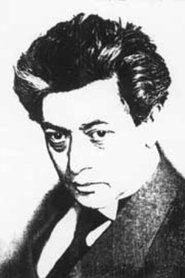
Martin Berger
Director
- Active
- 1919-1919
Films directed 1
About Martin Berger
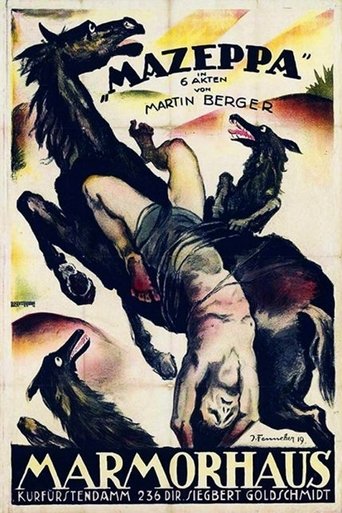
Martin Berger is a very obscure silent-era film director credited with the 1919 production Mazeppa, Folk Hero of the Ukraine, but surviving reference sources provide almost no biographical information about his life, nationality, or broader career. He appears in film-history records primarily through that single directing credit, suggesting either a short-lived screen career, a filmmaker whose work has largely been lost, or a figure documented only in fragmentary trade and archival materials. Because no reliable contemporary biographical sources have surfaced in widely used film references, details such as his birth, death, education, personal life, and later career remain unverified. His known association with a historical or folkloric subject fits the period's interest in costume drama, literary adaptation, and exoticized regional subjects that were common in the late silent era. It is possible that he worked in a regional production context or under alternate spellings, but no confirmed evidence has been established in standard databases. As a result, Martin Berger remains a name attached to an early film credit rather than a fully documented personality in classic cinema history.
More about Martin Berger
Behind the camera
No verified description of Martin Berger's directing style survives in standard reference sources. Based on the nature of the known 1919 title, his work likely fit the silent-era conventions of the period, emphasizing visual storytelling, staging, intertitles, and theatrical presentation appropriate to historical or folkloric drama. However, without surviving prints, reviews, or production notes reliably attributable to him, any more specific assessment would be speculative. His known film title suggests an interest in melodramatic, regional, or heroic subject matter typical of the era rather than a documented personal auteur style.
In film history
Martin Berger's cultural impact is difficult to measure directly because his documented filmography is extremely small and his surviving biographical record is sparse. His name persists in film-history listings as evidence of the many silent-era filmmakers whose work has not been preserved in the historical record, underscoring how incomplete early cinema documentation can be. The 1919 Mazeppa subject also reflects the era's fascination with romantic-nationalist legends and historical adventure material, placing Berger within a broader international silent-film trend even though his individual contribution is not well documented. For researchers and archivists, his credit is valuable primarily as a trace of production history rather than as a widely influential body of work. In that sense, Berger represents the many forgotten craftsmen of silent cinema whose existence is preserved more by film catalogues than by surviving films or biographies.
Later reputation
Martin Berger's lasting legacy is largely archival: he is remembered because a single credited directing assignment survives in film references. That makes him part of the historical fabric of silent cinema, where many filmmakers are known only by title, year, and role. His name is a reminder of how much early film history remains fragmentary, with countless artists now inaccessible beyond a ledger of credits. Any broader legacy would depend on future archival discoveries, such as trade-paper notices, production records, or surviving prints that could connect him to a more substantial career. Until then, his place in film history is that of an elusive early director whose work survives more in record than in reputation.
Influence
No direct influence on later directors or filmmakers can be reliably documented for Martin Berger. Because his surviving known output is limited to a single 1919 directing credit, there is no verified basis for tracing a discernible stylistic school or a line of mentorship. His influence is therefore indirect, insofar as his credit contributes to the broader historical record of silent-era production practices and the diversity of filmmakers active during the period. If future archival material emerges, it may clarify whether he had regional, national, or genre-specific importance that is not yet visible in standard references.
Off screen
No reliable biographical data about Martin Berger's personal life has been found in standard classic-cinema references. His family background, marriages, children, residence, and later life are not documented in accessible mainstream film histories or database records. Because his surviving trace is so limited, it is not currently possible to separate confirmed facts from possible but unverified identity matches with other individuals of the same name.
Credits
- Directed the silent-era film Mazeppa, Folk Hero of the Ukraine (1919)
- Represents a surviving credit from the late silent period tied to a historical-legend subject
- Appears in film records as a one-credit or near one-credit filmmaker, making his surviving footprint historically notable despite the lack of biographical detail
Films
Notes
- Martin Berger is currently known in mainstream references primarily through one silent-era directing credit.
- His only reliably identified film is Mazeppa, Folk Hero of the Ukraine (1919).
- No confirmed birth or death dates are readily available in standard classic-cinema databases.
- He is an example of a silent-era filmmaker whose biography has been largely lost to history.
- The title of his known film suggests a historical or folkloric adventure subject, which was popular in late silent cinema.
- Because his record is so sparse, he is sometimes difficult to distinguish from other people with the same name in non-film contexts.
- His limited documentation highlights how many early film careers are represented by only a single surviving credit.
- There are no widely documented awards, nominations, or honors associated with him.
Questions
Who was Martin Berger?
Martin Berger was a very obscure silent-era film director known in surviving film records for directing Mazeppa, Folk Hero of the Ukraine (1919). Beyond that credit, standard reference sources provide little verified biographical information. He is best understood as one of many early filmmakers whose careers are only faintly preserved in archival film history.
What films is Martin Berger best known for?
He is best known, and in fact primarily known, for Mazeppa, Folk Hero of the Ukraine (1919). No other confirmed film credits are readily established in the standard sources consulted for classic cinema history. If additional works existed, they have not yet been securely documented in widely used references.
When was Martin Berger born and when did he die?
His birth and death dates are not currently documented in reliable mainstream classic-cinema sources. Likewise, his birthplace and nationality are not securely verified. At present, film historians can only confirm his activity through his 1919 directing credit.
What awards did Martin Berger win?
No awards or nominations are known for Martin Berger in the accessible historical record. This is not unusual for obscure silent-era figures, many of whom worked before modern awards systems were established or before their contributions were broadly documented. At present, there is no verified recognition to list.
What was Martin Berger's directing style?
No detailed critical description of his style survives in standard sources. Based on the era and the subject of his known film, his direction would likely have followed silent-era dramatic conventions, with emphasis on visual storytelling and staging. However, any more specific characterization would be speculative without surviving prints or contemporary reviews.
What is Martin Berger's legacy in film history?
His legacy is primarily archival and historical rather than based on a large surviving body of work. He represents the many silent-era filmmakers whose names remain in records even when their films and biographies have largely disappeared. That makes him part of the incomplete but important memory of early cinema.