1919 · null

Also available on: Archive.org
Mazeppa, Folk Hero of the Ukraine

Mazeppa, Folk Hero of the Ukraine

1919 null Germany

"null"

Betrayal and punishmentEndurance and survivalRomantic desire versus social authorityLegend and national identitySuffering transformed into heroism

Plot

Mazeppa, Folk Hero of the Ukraine dramatizes the legendary medieval/Romantic tale of Ivan Mazeppa, a Ukrainian page serving at the Polish court whose illicit affair with the young wife of an elderly count triggers catastrophic punishment. After the count discovers the romance, Mazeppa is stripped naked, bound to a wild horse, and cast out into the wilderness as an act of humiliation and vengeance. The film follows the punishing ride as the horse carries Mazeppa across a hostile landscape, leaving him battered, nearly dead, and repeatedly at the edge of survival. Ultimately, he endures the ordeal, reaches safety, and returns to his native Ukraine, transforming his suffering into a mythic ordeal of endurance and identity. As a historical-romantic drama, the film presents Mazeppa less as a strictly documentary figure than as a larger-than-life folk hero shaped by betrayal, punishment, and survival.

About the Production

Release Date 1919
Budget null
Box Office null
Production null
Filmed In null

This 1919 production is a silent-era historical drama based on the Mazeppa legend, a story widely familiar in European literature and art before cinema adapted it. Surviving documentation on the production is sparse, and detailed archival records such as full crew notes, shooting schedules, or studio paperwork are not readily confirmed in standard references. The film appears to have been mounted as a prestige period piece, with its value lying in the sensational and visually dramatic horseback ordeal that had long made the Mazeppa story a favorite subject in painting, poetry, and stage spectacle. Because the film is from the immediate post-World War I period and from an era when many silent productions were not consistently preserved, some practical production details remain unavailable or uncertain.

Historical Background

Mazeppa, Folk Hero of the Ukraine was made in 1919, a year of upheaval in Europe and especially in Germany, which was emerging from defeat in World War I and the collapse of the imperial order. The German film industry at this moment was entering a highly creative period in which historical dramas, literary adaptations, and visually ambitious spectacles became especially important as audiences sought both escapism and culturally prestigious entertainment. The Mazeppa legend itself carried layers of meaning for a postwar European audience: betrayal, punishment, endurance, and the transformation of suffering into heroic identity. It also drew on a long Romantic tradition in which Ivan Mazeppa was reimagined not simply as a political figure but as a symbolic rebel and folk hero. In that sense, the film belongs to the broader postwar search for national, historical, and mythic narratives that could be staged through cinema.

Why This Film Matters

The film is culturally significant as part of the early international afterlife of the Mazeppa legend, a story that circulated for decades through literature, music, theatre, and painting before becoming a subject for cinema. It demonstrates how silent-era filmmakers adapted famous literary-historical myths into visual spectacles centered on bodily ordeal and emotional melodrama. The presence of Werner Krauss also connects the film to the broader development of star acting in German cinema during a formative period. Even if it is not among the most famous surviving silent films, it represents the kind of prestige historical production that helped establish Germany as a key center of world cinema in the early 20th century. For scholars of adaptation, the film is also important as evidence of how a widely European legend could be reframed for German audiences on the eve of the Weimar era.

Making Of

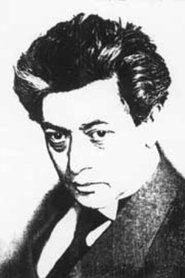
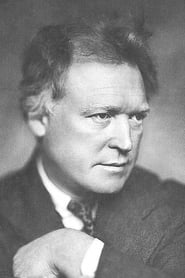
Available behind-the-scenes information is limited, which is typical for a 1919 silent film outside the best-documented studio cycles. The production was directed by Martin Berger and featured Werner Krauss, suggesting an attempt to give the film prestige through recognizable acting talent. Like many historical dramas of the period, the project likely depended on visually striking costumes, large-scale staging, and carefully composed tableaux to communicate the legend of Mazeppa’s punishment and survival. The narrative itself is inherently cinematic because it centers on a dramatic physical ordeal that can be rendered through action, landscape imagery, and repeated episodes of danger. However, specific anecdotes about casting debates, set construction, on-location shooting, or post-production are not firmly verified in the sources readily available for this title.

Visual Style

Specific shot-by-shot cinematographic analysis is difficult because detailed surviving visual documentation is limited, but the film would have depended on the silent-era language of tableau composition, strong gestural performance, and scenic contrast. The Mazeppa punishment sequence naturally lends itself to expressive landscape imagery: the isolated rider, the uncontrolled horse, and the sense of motion through hostile space create a visually dynamic centerpiece. Early German historical films often emphasized carefully framed compositions, theatrical blocking, and dramatic lighting to heighten emotional and narrative clarity. Even without confirmed technical records, the film likely uses the visual grammar common to prestige silent dramas of the period, with an emphasis on spectacle, costume detail, and the physical ordeal of the protagonist.

Innovations

No major patented technical innovation is specifically documented for this film in standard references. Its primary achievement lies instead in the effective use of silent-era staging to dramatize a highly kinetic legend centered on a man tied to a running horse. The story itself demands visual storytelling that combines physical endurance, motion, and landscape, which would have challenged filmmakers to maintain clarity and intensity without sound. As a result, the film’s notable technique is likely its use of action-oriented spectacle within a historical-romantic framework, rather than any single groundbreaking device. For its time, the ability to stage a convincing and emotionally legible version of the Mazeppa ordeal would itself have been a significant production accomplishment.

Music

As a 1919 silent film, Mazeppa, Folk Hero of the Ukraine would originally have been exhibited with live musical accompaniment, which could range from a single pianist or organist to a small ensemble depending on the venue. No original compiled score is readily verified in modern references. Like many silent films of the era, its musical presentation would have varied by theater, and different exhibitors may have created their own cue sheets or local accompaniments. Any modern screenings would depend on the available surviving print, restoration practice, or archive-specific music reconstruction, if the film is shown at all.

Famous Quotes

null

Memorable Scenes

  • The climactic punishment sequence in which Mazeppa is tied naked to a wild horse and cast into the wilderness, the film’s defining visual and emotional set piece.
  • The extended ride through hostile terrain, where Mazeppa is shown enduring repeated danger and near-death exhaustion as the horse carries him farther from the court.
  • Mazeppa’s eventual survival and return to Ukraine, turning physical suffering into a mythic journey of endurance and return.

Did You Know?

  • The film is a silent-era adaptation of the Mazeppa legend, a story that had already become famous in European culture through poetry, painting, and theatrical spectacle long before cinema.
  • The central punishment scene—Mazeppa tied naked to a horse—is one of the most enduring images associated with the historical/literary figure Ivan Mazeppa and is the defining spectacle of this filmic retelling.
  • Wikidata and catalog references identify this as a 1919 German production directed by Martin Berger, distinguishing it from other Mazeppa films and adaptations made in different countries and decades.
  • The cast includes Werner Krauss, one of the most prominent German actors of the era, best known internationally for major silent and Expressionist performances.
  • Because the film is from 1919, it belongs to the transitional period immediately after the First World War, when German cinema was developing into one of the most influential film industries in Europe.
  • The title emphasizes Mazeppa as a 'folk hero of the Ukraine,' reflecting the romantic-national framing common in 19th- and early 20th-century retellings of his life.
  • As with many silent-era historical dramas, the film likely relied heavily on physical performance and pictorial staging rather than intertitles alone to convey the legend's emotional force.
  • No widely documented box office figures, original tagline, or production budget are readily verified in standard modern film reference sources, which is common for a number of early silent films.
  • The movie should not be confused with later productions based on the same legend, including other international films that use Mazeppa as a subject or title.
  • The film’s survival status is unclear in many secondary sources, reflecting the broader archival uncertainty surrounding numerous silent German films of the late 1910s.

What Critics Said

Contemporary reviews are not widely available in the standard modern reference record consulted for this title, so a detailed reconstruction of its opening critical response is difficult. As a 1919 German silent historical drama, it would likely have been judged according to performance, visual spectacle, and fidelity or effectiveness in presenting the famous Mazeppa story. Modern critical assessment is likewise limited by the scarcity of surviving documentation and the uncertain accessibility of the film itself. Today, the title is mostly of interest to film historians, silent-cinema researchers, and scholars of the Mazeppa legend rather than to a broad critical audience. Its reputation is therefore largely archival and historical rather than driven by an established body of contemporary reviews.

What Audiences Thought

No reliable audience figures or detailed popular-reception reports are readily verified for this film. Given its subject matter and the era of its production, it was likely intended to appeal to audiences interested in historical spectacle, literary adaptation, and emotionally intense melodrama. The Mazeppa story was already famous enough to be recognizable, which likely helped the film’s appeal among viewers familiar with the legend from earlier cultural forms. However, without box office records or widespread press documentation, any exact statement about audience size or enthusiasm would be speculative. Its current audience is primarily scholarly and cinephile, often mediated through catalogs, databases, and historical research rather than routine exhibition.

Film Connections

Influenced By

  • The historical figure Ivan Mazeppa and the long literary tradition surrounding him
  • Lord Byron's poem 'Mazeppa'
  • Romantic-era depictions of Mazeppa in European art and theatre
  • Pre-silent theatrical melodrama and historical pageantry

This Film Influenced

  • Later cinematic retellings of the Mazeppa legend and other horse-punishment adventure films

Film Restoration

The preservation status is uncertain in readily available modern reference sources. Like many silent films of 1919, it may survive only in incomplete form, archival holdings, or possibly not at all, and no widely publicized restoration is readily verified here. If a print survives, it is not commonly circulated in mainstream home video or streaming catalogs. Researchers should consult major film archives and specialized silent-film databases for the most current survival information.

Themes & Topics

Ivan MazeppaPolish courtforbidden affairwild horse punishmentsurvival ordealUkrainehistorical dramasilent film