Otto Mannstaedt
Actor
- Active
- 1919-1919
Films 2
About Otto Mannstaedt
Otto Mannstaedt is a little-documented silent-era film actor whose surviving screen record places him in German productions from 1919. The available filmography identifies him in The Plague in Florence (1919) and Mazeppa, Folk Hero of the Ukraine (1919), indicating that he was active during the late expressionist and historical-spectacle phase of post-World War I European cinema. Beyond these two credits, reliable biographical information about his life, training, and later career is scarce in standard reference sources, which suggests that he may have been a minor or short-lived performer whose work has largely disappeared from the historical record. Because of the fragmentary nature of the surviving evidence, it is not possible to reconstruct a detailed career arc with confidence without risking conflation with similarly named individuals. What can be said with confidence is that he belongs to the cohort of early German film performers whose names survive primarily in cast lists rather than in extensive publicity or star biographies. His known screen appearances place him in an important transitional moment for cinema, when filmmakers were developing larger historical and literary productions that helped define silent-era European film culture. As a result, Otto Mannstaedt is best understood today as a historically attested participant in early German cinema rather than as a well-documented star personality.
More about Otto Mannstaedt
On screen
No reliable contemporary description of Otto Mannstaedt's acting style has survived in the available record. Given the conventions of 1919 silent cinema in Germany, his performance would have relied on expressive physical gesture, clear facial expression, and visual emphasis suited to intertitles and tableau-based storytelling. Any more specific description would be speculative, as no detailed reviews or performance analyses are readily attributable to him.
In film history
Otto Mannstaedt's cultural impact is best understood as part of the broader fabric of early German silent cinema rather than as the impact of a single widely celebrated star. His credited appearances in 1919 place him within an era when German filmmakers were producing ambitious historical and literary films that contributed significantly to the international prestige of European cinema. Even actors with sparse surviving documentation played an essential role in giving these productions their ensemble texture, visual credibility, and period atmosphere. In that sense, Mannstaedt represents the many working performers whose names are preserved in filmographies even when their personal histories are lost. For modern film historians, such figures are valuable because they help map the personnel networks of early cinema and reveal how many contributors helped build the silent screen beyond the famous names. His record also underscores the fragility of early film history, where many careers can only be reconstructed from fragmentary credits and surviving reference entries.
Later reputation
Mannstaedt's lasting legacy lies in documentary survival: he remains one of the identifiable participants in 1919 German silent film production, a period of great importance to world cinema history. Although he is not known to have become a major star or to have accumulated an extensive surviving filmography, his presence in period productions connects him to the historical evolution of German cinema in the immediate postwar years. For archivists and historians, such names are important because they help confirm casts, production networks, and the scale of early filmmaking communities. His legacy is therefore archival and historical rather than celebrity-based. In the broader sense, he stands for the countless performers whose work supported the era's artistic achievements but who left behind few personal traces. That kind of legacy is common in silent cinema, where preservation gaps and incomplete records have obscured many careers.
Influence
There is no verified evidence that Otto Mannstaedt directly mentored other performers or exerted a traceable influence on later actors or directors. His influence is more indirect, as part of the ensemble labor that made early German silent films effective and culturally significant. From a film-historical perspective, his presence helps illustrate the professional ecosystem that nurtured the aesthetics of historical drama and large-scale silent storytelling.
Off screen
No dependable information has survived in the accessible historical record regarding Otto Mannstaedt's personal life, including family background, marriages, or later occupation. He does not appear to have left behind the kind of publicity trail often associated with major silent-era stars. As a result, any claims about his private life would be speculative and are best left unmade until corroborated by archival sources.
Education
Unknown; no verified information about formal education or theatrical training is readily available.
Credits
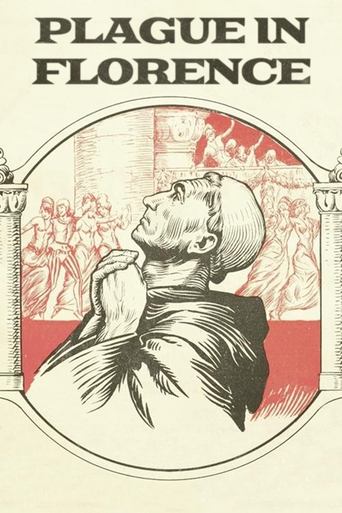
- Appeared in the German silent film The Plague in Florence (1919)
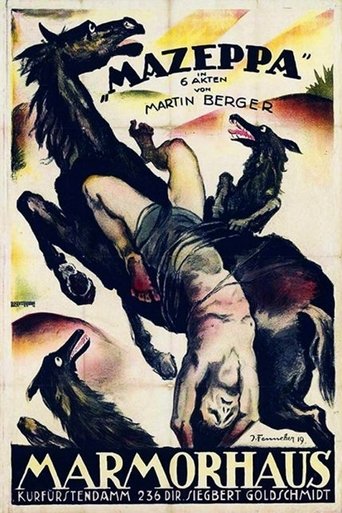
- Appeared in the historical silent film Mazeppa, Folk Hero of the Ukraine (1919)
- Worked during a formative period of postwar German cinema in 1919
- Has surviving documentation in early filmography records despite limited biographical survival
- Represents the many lesser-known performers whose contributions supported silent-era historical and literary productions
Roles
- Role in The Plague in Florence (1919)
- Role in Mazeppa, Folk Hero of the Ukraine (1919)
Films
- The Plague in Florence (1919)
- Mazeppa, Folk Hero of the Ukraine (1919)
Notes
- Otto Mannstaedt's surviving film record is extremely brief, with only two known 1919 film credits in readily accessible references.
- He appears in German silent cinema at a time when the industry was rapidly developing after World War I.
- His name is preserved more clearly in filmographies than in biographical dictionaries, which is common for lesser-known silent-era actors.
- The two known films associated with him are both from 1919, suggesting a very limited documented screen career.
- His participation in Mazeppa, Folk Hero of the Ukraine places him in a historical-costume production typical of the era's ambitious European filmmaking.
- No verified birth or death details are readily available in standard reference material, making him a difficult figure to research.
- He is the kind of performer who helps historians reconstruct the ensemble cast lists of lost or partially lost silent films.
- The sparse record means he is often of interest mainly to archivists, silent-cinema specialists, and cast researchers.
Questions
Who was Otto Mannstaedt?
Otto Mannstaedt was a silent-era film actor known from surviving filmography records for appearing in German productions in 1919. He is not a widely documented star, but he is part of the historical record of early European cinema.
What films is Otto Mannstaedt best known for?
He is best known for The Plague in Florence (1919) and Mazeppa, Folk Hero of the Ukraine (1919). These are the only clearly attested film credits commonly associated with him in accessible records.
When was Otto Mannstaedt born and when did he die?
His birth and death dates are not currently verified in the available historical record. Likewise, his birthplace and later life details remain unknown in standard accessible references.
What awards did Otto Mannstaedt win?
No awards or formal honors are documented for Otto Mannstaedt in the accessible record. This is not unusual for lesser-known silent-era performers whose careers were recorded mainly through film credits rather than publicity and awards coverage.
What was Otto Mannstaedt's acting style?
No detailed contemporary description of his acting style survives, so any precise characterization would be speculative. As a 1919 silent-film actor, his work would have depended on expressive gesture, facial clarity, and physically readable performance conventions typical of the era.
What is Otto Mannstaedt's legacy in film history?
His legacy is mainly archival: he remains a documented participant in the early German silent cinema of 1919. Even though he is not a major star in the historical record, his credited appearances help preserve the cast histories of important early films.