Lulu Lànyi
Actor
- Active
- 1919-1919
Films 1
About Lulu Lànyi
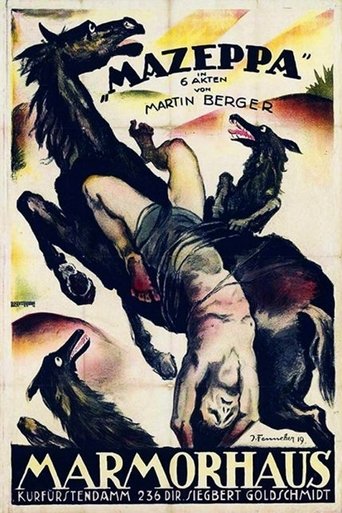
Lulu Lànyi was a silent-era screen actress whose film career is documented almost entirely through a single known 1919 appearance in Mazeppa, Folk Hero of the Ukraine. Surviving reference sources on early cinema do not provide a substantial biographical record for her, which is common for many performers from the transitional years of the silent period, especially those who worked in regional or short-lived productions. Her credited presence in a film with a distinctly historical and romantic subject suggests she was part of the international cast of a period feature centered on the legendary Ukrainian figure Mazeppa. Beyond that film credit, there is no reliably verified public record in standard film-history references outlining her later career, personal life, or additional screen work. Because of the scarcity of surviving documentation, she is best understood today as a traceable but elusive figure from the early global silent cinema era. Her name remains of interest primarily to researchers cataloging obscure performers, lost films, and the many artists whose contributions to early screen culture were not fully preserved in the historical record.
More about Lulu Lànyi
On screen
No verified description of Lulu Lànyi's acting style survives in accessible historical sources. As a performer in a 1919 silent film, any acting would have depended on visual expressiveness, gesture, and physical presence rather than spoken dialogue. Without contemporary reviews or detailed production notes, it is not possible to responsibly characterize her technique beyond the general conventions of silent-era performance.
In film history
Lulu Lànyi's cultural impact is difficult to measure directly because so little documentary evidence about her survives. Her importance lies less in celebrity than in historical representation: she is one of the many actors whose names appear in the record of silent cinema but whose biographies were not preserved with the same care as those of major stars. For film historians, such names are valuable because they help reconstruct production networks, casting practices, and the international reach of early film culture around 1919. Her known association with Mazeppa, Folk Hero of the Ukraine also places her within the tradition of historical melodrama that helped shape audience expectations for spectacle and exoticized period storytelling in the silent era.
Later reputation
Lulu Lànyi's legacy is primarily archival and historiographic. She stands as a reminder that the silent era included countless performers whose work survives only in film credits, production listings, or secondary references, rather than in full biographical records. Her name continues to matter because every authenticated credit helps scholars preserve the broader ecosystem of early cinema, not only its most famous stars. In this sense, her legacy is tied to the ongoing effort to recover and document overlooked contributors to film history, especially women whose careers were often under-recorded or lost to time.
Influence
There is no verifiable evidence that Lulu Lànyi directly influenced later actors or filmmakers in a documented, traceable way. Any influence she may have had would have been indirect, through participation in the silent-film tradition and the broader performance vocabulary of early screen acting. Her historical significance is therefore best understood at the level of preservation and research rather than as a measurable creative lineage.
Off screen
No reliable public information has been verified regarding Lulu Lànyi's personal life, including family background, marriages, children, or off-screen activities. This is not unusual for obscure silent-era performers, many of whom left only fragmentary traces in trade papers, surviving cast lists, or archive records. At present, any detailed account of her private life would be speculative, so none is provided here as fact.
Credits
- Credited screen appearance in the 1919 silent film Mazeppa, Folk Hero of the Ukraine
- Association with an early historical costume production centered on the Ukrainian folk hero Mazeppa
- Representation of the many little-documented performers who appeared in silent-era international cinema
Roles
- Performer in Mazeppa, Folk Hero of the Ukraine
Films
Notes
- Her known film credit is from 1919, placing her squarely in the late silent era.
- Mazeppa, Folk Hero of the Ukraine reflects the period's fascination with historical legends and theatrical spectacle.
- She is a rare example of a performer whose name survives more clearly than her biography.
- No widely cited studio, publicist, or fan-magazine profile has been reliably linked to her in standard reference works.
- She is of interest to archivists because obscure cast members can help confirm production histories for early films.
- Her surname spelling with an accent mark makes her easier to misfile or overlook in casual searches, which may contribute to the scarcity of references.
Questions
Who was Lulu Lànyi?
Lulu Lànyi was a silent-era film actor known for a credited appearance in the 1919 production Mazeppa, Folk Hero of the Ukraine. Beyond that surviving screen credit, very little verified biographical information has been preserved in standard film-history sources.
What films is Lulu Lànyi best known for?
She is best known for Mazeppa, Folk Hero of the Ukraine (1919), which is the only securely documented film credit currently associated with her. No other reliable credits are confirmed in the available historical record.
When was Lulu Lànyi born and when did she die?
Her birth and death dates are not currently verified in accessible reference sources. The historical record for many minor silent-era performers is incomplete, and Lulu Lànyi appears to be one of those figures.
What awards did Lulu Lànyi win?
No awards or nominations are currently documented for Lulu Lànyi in surviving sources. This does not necessarily mean she received none, only that no reliable record has been found.
What was Lulu Lànyi's acting style?
Her individual style is not described in surviving criticism or interviews. As a silent-film performer in 1919, her work would have relied on physical expressiveness and visual storytelling, which were central to acting in the era.
What is Lulu Lànyi's legacy in film history?
Her legacy is mainly archival: she represents the many early screen performers whose names survive even when their detailed biographies do not. For historians, such figures are important because they help reconstruct the cast lists and production context of silent cinema.