Toni Zimmerer
Actor
- Active
- 1919-1919
Films 1
About Toni Zimmerer
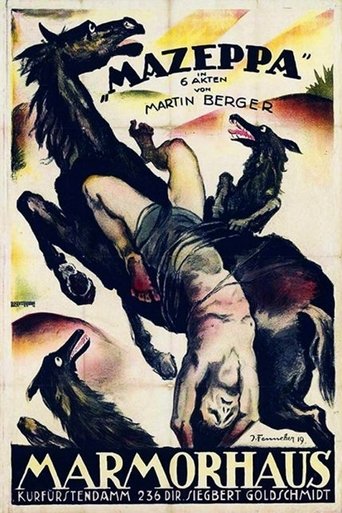
Toni Zimmerer is a very obscure silent-era screen performer who is documented primarily for a single credited appearance in the 1919 film Mazeppa, Folk Hero of the Ukraine. Surviving reference material on Zimmerer is extremely limited, and major standard film histories and reference sources do not preserve a substantial biographical record for this performer. What can be stated with confidence is that Zimmerer was active in the late silent period and appears in surviving filmography data connected to the 1919 production of Mazeppa, a historical melodrama drawn from the legendary Ukrainian folk hero. Beyond that documented screen credit, details of birth, death, training, stage background, and later life have not been reliably established in widely available classic-cinema sources. Because of this scarcity, Zimmerer remains one of the many minor silent-era figures whose contribution is visible in film listings but not in fuller studio or press documentation. The surviving record suggests a brief or poorly documented acting career rather than a long, heavily publicized film presence. In a classic-cinema database, Zimmerer is best understood as a historically valid but minimally documented participant in early motion-picture production.
More about Toni Zimmerer
In film history
Toni Zimmerer's cultural impact is primarily archival and historical rather than star-driven or widely recognized by the general public. Performers like Zimmerer matter because they represent the many working actors who contributed to silent cinema even when their names did not survive in popular memory. Their presence helps historians reconstruct the texture of early film production, casting practices, and the range of talent employed in historical and folkloric dramas of the 1910s. In that sense, Zimmerer’s significance lies in being part of the documentary fabric of silent-era cinema, particularly in a film tied to a legendary figure from Eastern European folklore.
Later reputation
Zimmerer's legacy is the preservation of a confirmed credit in silent-film history, which allows film databases and researchers to acknowledge a real contributor to early cinema. While no body of work, star persona, or directorial output is known to survive under this name, the documented appearance in Mazeppa, Folk Hero of the Ukraine ensures a place in the record of 1919 screen production. For historians, such names are important reminders that silent cinema was built not only by major stars and directors but also by many lesser-known performers whose careers were brief or insufficiently recorded. Zimmerer's legacy is therefore one of presence in the surviving film record rather than fame.
Influence
No direct influence on later actors or directors can be reliably documented for Toni Zimmerer. Because the surviving record is so sparse, it is not possible to trace a performative school, a notable mentorship line, or an identifiable artistic influence. Any influence attributed to Zimmerer would be indirect, in the broader sense that all early screen performers contributed to the evolving grammar of silent acting and historical film production.
Off screen
No reliable public information has been found about Toni Zimmerer's personal life, including family background, marriages, or later activities. Unlike major silent-era stars whose careers were covered extensively in fan magazines and studio publicity, Zimmerer appears to have left only a thin documentary trace. As a result, any claim about personal relationships, education, or off-screen life would be speculative and is not included here as fact.
Credits
- Credited screen appearance in the 1919 silent film Mazeppa, Folk Hero of the Ukraine
- Participation in an early historical film based on a well-known romantic and folkloric subject
- Survival in filmography records as a documented silent-era performer despite otherwise sparse biographical data
Roles
- Role in Mazeppa, Folk Hero of the Ukraine (1919)
Films
Notes
- Toni Zimmerer is documented for only one known screen credit in surviving filmography sources.
- The credited film, Mazeppa, Folk Hero of the Ukraine, was released in 1919, placing Zimmerer squarely in the late silent era.
- Mazeppa is based on a legendary historical and folkloric figure, a common subject for early cinema's romantic and adventure melodramas.
- Zimmerer is an example of a silent-era performer whose name survives in cast listings even though personal biographical details do not.
- No verified birth or death information is readily available in standard reference sources for this name.
- No confirmed awards, nominations, or later career achievements are associated with Zimmerer in accessible classic-film references.
- Because of the scarcity of records, Zimmerer is of interest mainly to film historians and database curators rather than to mainstream film audiences.
Questions
Who was Toni Zimmerer?
Toni Zimmerer was a very obscure silent-era film actor known from surviving filmography records, chiefly for an appearance in Mazeppa, Folk Hero of the Ukraine (1919). Very little biographical information has survived about the person behind the name, so Zimmerer is best understood as a documented but minimally recorded figure in early cinema.
What films is Toni Zimmerer best known for?
Zimmerer is best known for Mazeppa, Folk Hero of the Ukraine (1919), which is the only clearly documented screen credit readily associated with the name. No broader body of surviving film work is currently established in accessible classic-cinema references.
When was Toni Zimmerer born and when did they die?
Reliable birth and death dates for Toni Zimmerer have not been found in standard film reference sources. As a result, both dates are currently unknown and should be treated as unverified until stronger archival evidence appears.
What awards did Toni Zimmerer win?
No awards or nominations are known for Toni Zimmerer in the surviving classic-cinema record. This is not unusual for minor silent-era performers, especially those whose careers were brief or poorly documented.
What was Toni Zimmerer's acting style?
There is not enough surviving documentation to describe Zimmerer's acting style with confidence. Since the credited work dates to the silent era, any performance would have relied on expressive physical acting typical of the period, but specific stylistic traits are not preserved.
What is Toni Zimmerer's legacy in film history?
Zimmerer's legacy lies in being a verifiable part of silent-film history even though the broader personal record has largely vanished. That kind of surviving credit is valuable to historians because it helps reconstruct the cast lists and production networks of early cinema.