Herbert Beerbohm Tree
Actor
Born: December 17, 1852 in London, England Died: July 2, 1917 Active: 1876-1917 Birth Name: Herbert Draper Beerbohm
Films
1 film
About Herbert Beerbohm Tree
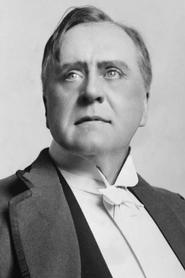
Sir Herbert Beerbohm Tree was Victorian and Edwardian stage actors, renowned for his commanding presence and theatrical innovations. Born into a prominent family, he began his career on the London stage in the 1870s and quickly rose to fame through his powerful Shakespearean performances and his ability to both act and manage theaters. Tree founded the Haymarket Theatre and later Her Majesty's Theatre, where he staged lavish productions that set new standards for theatrical spectacle. His 1899 appearance in the short film King John represents one of the earliest known performances by a major stage actor captured on film, making him a pioneer bridging Victorian theater and early cinema. Throughout his career, Tree was known for his charismatic personality, booming voice, and innovative directing techniques that emphasized visual splendor and dramatic intensity. He was knighted in 1917 in recognition of his immense contributions to British theater, just months before his death. Though primarily remembered as a theatrical giant, his brief film appearance makes him an important figure in cinema history.
The Craft
On Screen
Tree was known for his grand, declamatory style typical of Victorian theater, characterized by powerful vocal projection, sweeping gestures, and magnetic stage presence. He excelled in Shakespearean roles, bringing both intellectual depth and theatrical spectacle to characters like Hamlet and King John. His acting emphasized emotional intensity and dramatic contrast, often employing elaborate costumes and props to enhance characterization.
Milestones
- Founded the Haymarket Theatre (1887)
- Became manager of Her Majesty's Theatre (1897)
- Knighted for services to drama (1917)
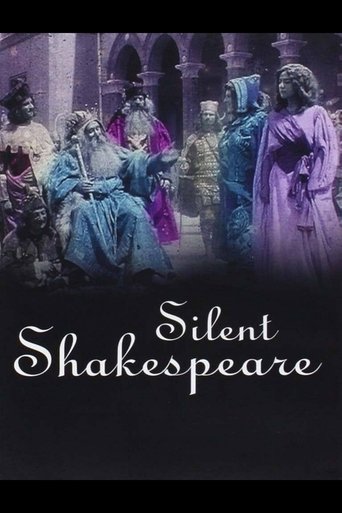
- Appeared in King John (1899) - one of earliest film performances by major stage actor
- Staged spectacular Shakespearean productions with unprecedented visual effects
- Mentored numerous actors who became stars of stage and screen
Best Known For
Iconic Roles
Must-See Films
Accolades
Won
- Knight Bachelor (1917)
Special Recognition
- Knighted by King George V for services to drama
- Commemorated in the Theatre Museum, London
- Featured in the National Portrait Gallery collection
Working Relationships
Worked Often With
Studios
Why They Matter
Impact on Culture
Herbert Beerbohm Tree's appearance in King John (1899) represents a crucial moment in cinema history, marking one of the first times a major theatrical star was captured on film. This bridged the gap between Victorian stage performance and the emerging medium of cinema, helping legitimize film as a vehicle for serious dramatic performance. His theatrical innovations, particularly his use of spectacular visual effects and elaborate sets, influenced early film production techniques and the development of cinematic spectacle.
Lasting Legacy
Tree's legacy endures primarily through his contributions to British theater and his role in early cinema. As a theater manager, he revolutionized Shakespearean production by combining scholarly attention to text with unprecedented visual splendor. His brief film appearance in King John makes him an important figure in the transition from stage to screen, representing the Victorian theatrical tradition's first encounters with cinema. Many of his production techniques and directorial innovations influenced subsequent generations of theater and film practitioners.
Who They Inspired
Tree influenced countless actors and directors through his theatrical innovations and teaching. His emphasis on combining textual accuracy with visual spectacle influenced both stage and film production methods. Many prominent British actors of the 20th century, including John Gielgud and Laurence Olivier, built upon Tree's approach to Shakespearean performance. His management style and production techniques set standards that influenced theater organization and film studio practices alike.
Off Screen
Herbert Beerbohm Tree married twice and had a large, artistic family. His first marriage to Helen Maud Holt lasted from 1882 until her death in 1914, and she frequently acted alongside him in his productions. He married actress May Pinney in 1915, just two years before his death. Tree was known for his extravagant lifestyle and generous hospitality, often hosting lavish parties at his home. He was a prominent figure in London society and maintained friendships with many leading artists, writers, and politicians of his era.
Education
Trained at the Royal Academy of Music and studied art in Germany before turning to acting
Family
- Helen Maud Holt (1882-1914)
- May Pinney (1915-1917)
Did You Know?
- His half-brother was the famous satirist and writer Max Beerbohm
- He was one of the first major stage actors to appear in a motion picture
- His production of Henry VIII at Her Majesty's Theatre was so elaborate it required 500 people to stage
- Tree was known for his ability to memorize entire Shakespearean plays in a single reading
- He once performed in a production where he played seven different roles in one evening
- His daughter Iris Tree — muse for the Bloomsbury Group and appeared in Picasso's paintings
- Tree — founding member of the Royal Academy of Dramatic Art (RADA)
- He was known for his extravagant lifestyle and once owned a private theater in his London home
- His stage name 'Tree' came from his family's German surname 'Baum' (meaning tree)
- Despite his fame, he only appeared in one film during his entire career
In Their Own Words
The stage is not merely the meeting place of all the arts, but is also the return of art to life.
In the theater, the imagination of the audience must be engaged, not merely their eyes.
Shakespeare is not merely to be read, but to be seen, heard, and felt in all his dramatic glory.
The actor's art is the art of transformation - of becoming another while remaining oneself.
A theater without spectacle is like a body without a soul.
Frequently Asked Questions
Who was Herbert Beerbohm Tree?
Herbert Beerbohm Tree — credits here include King John (1899). Active 1876-1917.
What films is Herbert Beerbohm Tree best known for?
Titles linked here include King John (1899).
When was Herbert Beerbohm Tree born and when did he die?
Born December 17, 1852; died July 2, 1917.
What awards did Herbert Beerbohm Tree win?
Herbert Beerbohm Tree was knighted in 1917 by King George V for his services to drama, receiving the title of Sir Herbert Beerbohm Tree. This was the highest recognition of his contributions to British theater and the dramatic arts.
What was Herbert Beerbohm Tree's acting style?
Tree's acting style was grand and declamatory, typical of Victorian theater, characterized by powerful vocal projection, sweeping gestures, and magnetic stage presence. He excelled in Shakespearean roles, combining intellectual depth with theatrical spectacle and emotional intensity.