Films
1 film
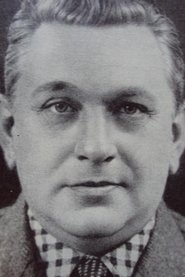
About Mikhail Slutsky
Soviet documentary filmmaker and director who emerged during the early years of Soviet cinema. His most notable work was the 1940 documentary 'One Day in Soviet Russia' (also known as 'Odin den' sovetskoi Rossii'), which showcased daily life across the Soviet Union through a cinematic lens. Slutsky was part of the generation of Soviet filmmakers who developed the documentary tradition in the USSR, following in the footsteps of pioneers like Dziga Vertov. His filmmaking style emphasized the grandeur of Soviet achievements and the rhythm of Soviet industrial and agricultural life. The 1940 documentary was particularly significant as it captured Soviet society on the eve of World War II, providing a valuable historical record. Slutsky's work reflected the aesthetic and ideological priorities of Soviet documentary filmmaking during the Stalin era, focusing on collective labor, technological progress, and the idealized Soviet citizen. His career, while relatively brief in terms of feature-length works, contributed to the development of Soviet documentary cinema as both an art form and a tool of social education.
The Craft
Behind the Camera
Slutsky's directing style followed the Soviet documentary tradition of the 1930s-40s, characterized by sweeping panoramic shots, rhythmic editing, and a focus on industrial and agricultural progress. His approach emphasized collective labor and technological advancement, using the camera to celebrate Soviet achievements and the rhythm of daily life across the vast territories of the USSR. The visual language incorporated elements of socialist realism, presenting an idealized yet dynamic view of Soviet society.
Milestones
- Directed 'One Day in Soviet Russia' (1940)
- Contributed to Soviet documentary tradition
- Documented pre-WWII Soviet society
Best Known For
Must-See Films
Working Relationships
Studios
Why They Matter
Impact on Culture
Mikhail Slutsky's work, particularly 'One Day in Soviet Russia' (1940), serves as an important historical document capturing Soviet society at a critical moment just before the devastation of World War II. The film represents the Soviet documentary tradition's role in both recording and shaping national identity, showcasing the state's emphasis on industrialization, collectivization, and the creation of the 'New Soviet Man'. His contribution to Soviet cinema lies in the preservation of everyday Soviet life through the lens of state-sponsored documentary filmmaking, providing future generations with valuable visual insights into pre-war Soviet society.
Lasting Legacy
Mikhail Slutsky's legacy is primarily preserved through his 1940 documentary, which stands as a significant example of Soviet documentary filmmaking from the pre-WWII period. The film serves as both an artistic work and a historical document, offering contemporary audiences a window into Soviet society, culture, and propaganda of the era. While Slutsky may not be as widely known as some of his Soviet contemporaries, his work contributes to our understanding of how cinema was used to document and promote the Soviet project during a pivotal moment in history.
Who They Inspired
As a Soviet documentary filmmaker, Slutsky was part of a broader movement that influenced how documentaries were used as tools for social education and nation-building. His work followed the established Soviet documentary tradition that had been pioneered by filmmakers like Dziga Vertov, emphasizing the power of cinema to capture and shape social reality. The techniques and approaches used in 'One Day in Soviet Russia' reflect the standardized methods of Soviet documentary production that would influence subsequent generations of filmmakers in the USSR and other socialist countries.
Off Screen
Very limited information is available about Mikhail Slutsky's personal life, which was common for many Soviet documentary filmmakers of his era who worked behind the scenes. As a Soviet filmmaker during the Stalin period, his life would have been shaped by the cultural and political demands of the time, including state oversight of artistic production and the requirements of socialist realism in cinema.
Did You Know?
- 'One Day in Soviet Russia' was filmed in 1940, just before the Soviet Union entered World War II
- The film follows the tradition of 'city symphony' documentaries but on a national scale
- Soviet documentaries of this era were often used as both artistic works and tools of international diplomacy
- The film showcases various Soviet republics and their contributions to the unified Soviet state
- Like many Soviet documentaries of the period, it emphasizes industrial and agricultural achievements
- The film represents an example of how Soviet cinema was used to construct a unified national identity
- Documentary filmmakers in the USSR during this period often worked under strict state guidelines
- The film captures the last peaceful year before the Soviet Union was invaded by Nazi Germany
Frequently Asked Questions
Who was Mikhail Slutsky?
Soviet documentary filmmaker active in the early 1940s, best known for directing the 1940 documentary 'One Day in Soviet Russia' which captured daily life across the Soviet Union on the eve of World War II.
What films is Mikhail Slutsky best known for?
Titles linked here include One Day in Soviet Russia (1940).
When was Mikhail Slutsky born and when did he die?
Born 1908; died death date not listed.
What awards did Mikhail Slutsky win?
There are no documented major awards or honors specifically attributed to Mikhail Slutsky in available film history records, which was not uncommon for many Soviet documentary filmmakers of his era.
What was Mikhail Slutsky's directing style?
Slutsky's directing style followed Soviet documentary traditions of the 1930s-40s, featuring panoramic shots, rhythmic editing, and a focus on industrial progress, collective labor, and the idealized vision of Soviet society.