Films
2 films

About Dorothy Morrison
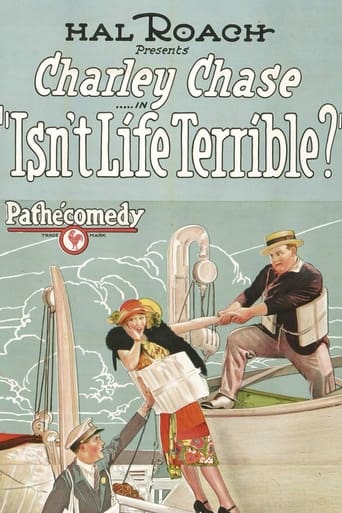
American actress who worked briefly during the silent film era in the mid-1920s. Her known filmography consists of a single appearance in the 1925 comedy short 'Isn't Life Terrible?' starring Charley Chase and directed by Leo McCarey. Like many actors of her era, she was likely discovered during Hollywood's rapid expansion in the 1920s when studios were constantly seeking new talent for their prolific production schedules. Her career appears to have been exceptionally brief, spanning only the year 1925, which was not uncommon for bit players and supporting actors in silent comedies who might appear in just one or two films before leaving the industry. The transition to sound films in the late 1920s also ended many silent era careers, possibly including hers. Unfortunately, detailed records about minor actors from this period are often incomplete, making it difficult to trace her full life story or determine whether she attempted to continue in entertainment after 1925.
The Craft
Milestones
- Appeared in 'Isn't Life Terrible?' (1925) directed by Leo McCarey
Best Known For
Must-See Films
Working Relationships
Worked Often With
Studios
Why They Matter
Impact on Culture
As a minor actor with only one known film credit, Dorothy Morrison's individual cultural impact was minimal. However, she represents the thousands of anonymous performers who populated the background of silent era films, contributing to the early Hollywood cinema. These bit players were essential to the studio system, providing the human elements that made films feel complete and authentic, even though their names have largely been lost to history.
Lasting Legacy
Dorothy Morrison's legacy is primarily as an example of the transient nature of early Hollywood careers, particularly for women in supporting roles. Her brief appearance in a Charley Chase comedy places her within the important tradition of Hal Roach Studios' comedy productions, which helped launch the careers of major stars like Harold Lloyd and the Our Gang kids. While she herself did not achieve lasting fame, her contribution to this film represents the collective effort of hundreds of now-forgotten actors who helped build the foundation of American cinema.
Who They Inspired
Given her extremely brief career and minor status, Dorothy Morrison likely had no direct influence on other performers. However, like all actors of her era, she participated in the development of film acting techniques during the transition from stage to screen performance, helping establish the visual language of cinema that would influence generations of performers to come.
Off Screen
Very little is known about Dorothy Morrison's personal life, as was common for minor actors in the silent era who often left behind minimal public records. Like many bit players of her time, she would have been paid by the day or week and likely struggled to find steady work in the highly competitive Hollywood system of the 1920s.
Did You Know?
- Appeared in only one known film during her entire career
- Worked during the peak of silent comedy production at Hal Roach Studios
- Her film 'Isn't Life Terrible?' was directed by Leo McCarey, who would later win multiple Academy Awards
- The film she appeared in starred Charley Chase, a popular comedy star of the era
- 1925 was a peak year for silent film production, with Hollywood releasing over 700 features that year
- Many actors with brief careers like hers were often theater performers trying film work
- The lack of information about her is typical for bit players from the silent era
- Her career ended before the transition to sound films began in 1927-1928
Frequently Asked Questions
Who was Dorothy Morrison?
Screen credits include only one known film, the 1925 comedy short 'Isn't Life Terrible?' starring Charley Chase. Her career was exceptionally brief, lasting only the year 1925, and very little is known about her life beyond this single film credit.
What films is Dorothy Morrison best known for?
Titles linked here include Isn't Life Terrible? (1925).
When was Dorothy Morrison born and when did she die?
Unfortunately, Dorothy Morrison's birth and death dates are not known, which is common for minor actors from the silent era who left behind minimal public records. Her only known professional activity was in 1925.
What awards did Dorothy Morrison win?
Dorothy Morrison did not receive any known awards or nominations during her brief career. As a bit player in a single silent comedy short, she would not have been eligible for the recognition given to leading actors of the era.
What was Dorothy Morrison's acting style?
While her specific acting style is not documented, as a performer in a Hal Roach comedy short, she would have likely employed the exaggerated physical and facial expressions typical of silent film comedy acting. The style required broad gestures and clear emotional expressions to convey meaning without dialogue.
Why was Dorothy Morrison's career so short?
Dorothy Morrison's brief career was not unusual for the era, as many actors appeared in only one or a few films before leaving the industry. The competitive nature of Hollywood, the transient nature of bit player work, and the upcoming transition to sound films all contributed to many short careers during this period.
Did Dorothy Morrison work with any famous people?
Yes, she worked with Charley Chase, a popular comedy star of the 1920s, and Leo McCarey, who would later become an acclaimed director winning multiple Academy Awards. Both were associated with Hal Roach Studios,.