Amirbai Karnataki
Actor
Born: 1912 in Bijapur, Karnataka, India Died: March 3, 1965 Active: 1934-1950s Birth Name: Amirbai
Films
2 films
About Amirbai Karnataki
Figure in early Indian cinema, emerging as one of the first actresses to successfully transition from silent films to talkies in the 1930s. Born in Karnataka in 1912, she began her career during the formative years of Indian cinema and quickly established herself as both a talented actress and gifted playback singer. Her breakthrough came with Sati Sulochana (1934), one of Karnataka's first talkie films, which showcased her dual talents. Throughout the 1930s and 1940s, she became particularly renowned for her performances in mythological films, where her emotive acting style and melodious voice resonated deeply with audiences. She worked extensively with prominent directors of the era and was among the highest-paid actresses of her time, often commanding significant fees for her dual roles as actress-singer. Her career peaked with memorable performances in films like Bharat Milap (1942) and Ram Rajya (1943), which became classics of early Indian cinema. As the Indian film industry evolved in the 1950s, she gradually reduced her film appearances, leaving behind a legacy as one of the foundational figures of Indian cinema's golden era.
The Craft
On Screen
Amirbai Karnataki's acting style was deeply rooted in traditional Indian theatrical traditions, characterized by highly expressive gestures and emotional intensity that resonated with early cinema audiences. She brought a unique authenticity to mythological roles, drawing from classical Indian performance arts while adapting to the new medium of cinema. Her performances were marked by a dignified grace and powerful screen presence, particularly in roles that required both dramatic depth and musical expression. As one of the early pioneers of talkies, she helped establish the conventions of acting in Indian cinema that would influence generations of performers.
Milestones
- Starred in Sati Sulochana (1934), one of Karnataka's first talkie films
- Successful transition from silent films to talkies
- Became one of the highest-paid actresses of the 1940s
- Pioneered the actress-singer model in Indian cinema
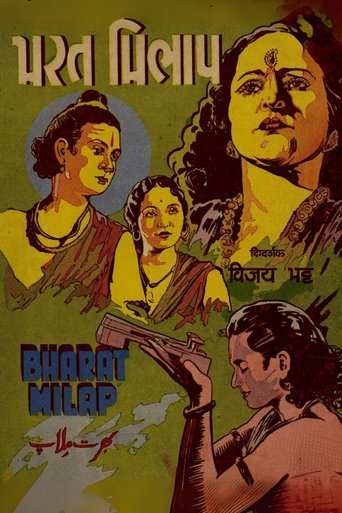
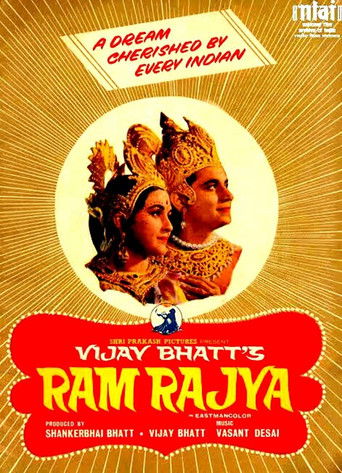
- Iconic performances in Bharat Milap (1942) and Ram Rajya (1943)
- Recognized as one of the leading playback singers before Lata Mangeshkar's era
Best Known For
Iconic Roles
Must-See Films
Accolades
Special Recognition
- Recognized as one of the actresses of Indian cinema
- Remembered as one of the leading playback singers of the 1930s-40s era
Working Relationships
Worked Often With
Studios
Why They Matter
Impact on Culture
Amirbai Karnataki played a crucial role in shaping early Indian cinema during its transition from silent films to talkies. As one of the first successful actress-singers, she established a template that would be followed by countless performers in Indian cinema. Her work in mythological films helped preserve and popularize Indian cultural stories and values through the new medium of cinema, making classical narratives accessible to mass audiences. Her success demonstrated that women could be powerful box office draws and artistic forces in the film industry, paving the way for greater female representation in Indian cinema. Her melodious voice and emotive performances helped define the aesthetic of early Indian talkies, influencing the development of playback singing as a central element of Indian films.
Lasting Legacy
Amirbai Karnataki's legacy endures as that of a trailblazer who helped establish the foundations of Indian cinema's golden era. She is remembered as one of the first superstars of Indian talkies, whose dual talents as actress and singer set new standards for performance in the industry. Her work in mythological films created enduring classics that continue to be referenced in Indian popular culture. As a playback singer, she preceded and influenced the generation of singers that would follow, including legends like Lata Mangeshkar. Her career represents the artistic excellence and cultural significance of early Indian cinema, and she is celebrated in film history circles as. Film historians and cinema enthusiasts continue to study her work as an example of the artistic achievements of early Indian filmmakers and performers.
Who They Inspired
Amirbai Karnataki directly influenced the development of the actress-singer model that became central to Indian cinema. Her success demonstrated the commercial viability of women performing both dramatic and musical roles, encouraging producers to cast women in more substantial parts. Her emotive acting style influenced generations of performers, particularly in mythological and historical films. As one of the early playback singers, she helped establish the technical and artistic standards for film singing in India. Her work inspired later actresses like Suraiya, who also followed the dual actress-singer path. Contemporary playback singers and actresses continue to benefit from the professional path she helped establish during cinema's formative years in India.
Off Screen
Amirbai Karnataki was known to have led a relatively private personal life despite her immense popularity. She was married to Badri Yashwant Prasad, a businessman from Hubli. The couple did not have any children. Unlike many of her contemporaries, she maintained a dignified distance from film industry gossip and focused primarily on her craft. Her later years were spent away from the limelight, and she passed away in 1965, leaving behind a rich legacy in Indian cinema history.
Education
Limited formal education, but received training in classical music and traditional Indian performing arts from an early age
Family
- Badri Yashwant Prasad
Did You Know?
- She was one of the highest-paid actresses of the 1940s, earning more than many male co-stars
- Her song 'Ghata Ghan Ghor Ghor' from the film 'Bharat Milap' became extremely popular
- She often sang for herself in films, making her one of the early actress-singers of Indian cinema
- Her surname 'Karnataki' was added to her name to indicate her Karnataka origins
- She was among the few actresses of her time who could successfully balance careers in both Hindi and regional cinema
- Ram Rajya (1943), one of her most famous films, was reportedly Mahatma Gandhi's favorite film
- She began her career as a stage performer before transitioning to films
- Her voice was considered
- She worked in over 30 films during her active career
- She was known for her professionalism and dedication to craft, often spending hours perfecting both her acting and singing for films
In Their Own Words
In those days, we had to be both actors and singers. The audience expected nothing less than complete entertainment from us.
Cinema was not just a profession for us; it was a mission to bring our culture and stories to the common people.
The transition from silent films to talkies was challenging, but it opened new doors for artists like me who could both act and sing.
Frequently Asked Questions
Who was Amirbai Karnataki?
Indian actress and playback singer who was active during the 1930s and 1940s. She was one of the first successful actresses to transition from silent films to talkies and was known for her work in mythological films. She was among the highest-paid actresses of her era and helped establish the actress-singer model in Indian cinema.
What films is Amirbai Karnataki best known for?
Titles linked here include Bharat Milap (1942), Ram Rajya (1943).
When was Amirbai Karnataki born and when did she die?
Born 1912; died March 3, 1965.
What awards did Amirbai Karnataki win?
During her active career in the 1930s and 1940s, formal award systems were not well-established in Indian cinema. However, she received widespread recognition as one of the actresses and playback singers of early Indian cinema, and is remembered as one of the highest-paid and most respected performers of her era.
What was Amirbai Karnataki's acting style?
Amirbai Karnataki's acting style was characterized by traditional Indian theatrical influences with highly expressive gestures and emotional intensity. She was particularly renowned for her performances in mythological roles, bringing authenticity and grace to characters from Indian epics. Her unique ability to combine dramatic acting with melodious singing made her a standout performer of early Indian talkies.
How did Amirbai Karnataki influence Indian cinema?
Amirbai Karnataki significantly influenced Indian cinema by the actress-singer model that became central to the industry. Her successful transition from silent films to talkies helped establish conventions for performance in early Indian cinema. She also helped popularize mythological stories through film and paved the way for future generations of actresses to take on substantial roles in the industry.