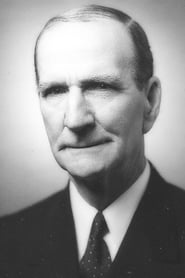
Frank McGlynn Sr.
Actor
Born: January 26, 1866 in San Francisco, California, USA Died: May 18, 1951 Active: 1914-1947 Birth Name: Frank McGlynn
Films
3 films
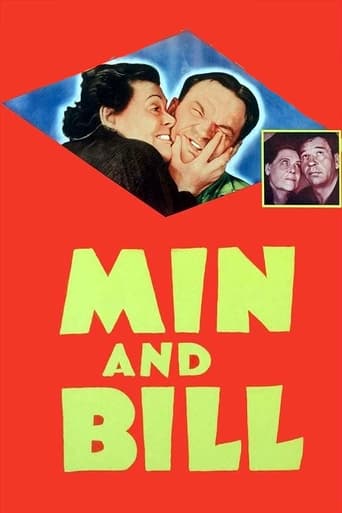
About Frank McGlynn Sr.
American character actor: from the silent era through the early sound period of Hollywood. Born in San Francisco in 1866, he began his acting career on the stage before transitioning to films in the 1910s. McGlynn became particularly renowned for his portrayals of Abraham Lincoln, a role he played in at least seven different films, earning him the nickname 'the man who played Lincoln more times than any other actor.' His most notable performances included 'The Prisoner of Zenda' (1937), 'Young Mr. Lincoln' (1939), and 'The Great Dictator' (1940). Despite his typecasting as Lincoln, McGlynn demonstrated remarkable versatility throughout his career, playing judges, clergymen, and authority figures with equal skill. He continued acting well into his 70s, appearing in over 150 films before his retirement. McGlynn's dignified presence and authoritative voice made him a familiar face in Hollywood's Golden Age, and his dedication to his craft earned him respect among his peers and audiences alike.
The Craft
On Screen
McGlynn was known for his dignified, authoritative presence and methodical approach to character development. His acting style was rooted in classical stage techniques, emphasizing clear diction, deliberate movements, and emotional restraint. When portraying Lincoln, he combined historical accuracy with theatrical gravitas, creating a memorable and respected interpretation of the 16th President. His performances were characterized by a deep, resonant voice and a commanding screen presence that made him ideal for roles requiring wisdom and authority.
Milestones
- Stage debut in the 1890s
- Film debut in 1914
- First portrayal of Abraham Lincoln in 'The Birth of a Nation' (1915)
- Signature role as Lincoln in multiple films throughout the 1930s
- Appeared in over 150 films during his career
- Continued acting into his 80s
Best Known For
Iconic Roles
Must-See Films
Accolades
Special Recognition
- Recognized by film historians as the definitive Lincoln portrayer of his era
- Honored by historical societies for his accurate portrayals of American historical figures
Working Relationships
Worked Often With
Studios
Why They Matter
Impact on Culture
Frank McGlynn Sr. Significantly influenced how Abraham Lincoln was portrayed in American cinema, creating an iconic image that persisted for decades. His multiple portrayals of Lincoln helped cement the 16th President's place in popular culture and made historical figures more accessible to movie audiences of the time. McGlynn's dignified and reverent approach to historical characters set a standard for biographical films in Hollywood's Golden Age. His work contributed to the early development of the historical drama genre and demonstrated the educational potential of cinema. Through his consistent and respectful portrayals, McGlynn helped elevate the status of character actors in the film industry, showing that supporting roles could be just as impactful as leading parts.
Lasting Legacy
Frank McGlynn Sr.'s legacy endures through his extensive body of work and his definitive portrayals of Abraham Lincoln, which remain reference points for historical accuracy in film. He is remembered as one of Hollywood's most reliable character actors, whose presence added gravitas to any production. His dedication to historical authenticity influenced subsequent generations of actors undertaking biographical roles. McGlynn's active years covered the transition from silent films to talkies, making him a living link between two major eras of cinema history. Today, film scholars and classic movie enthusiasts continue to appreciate his contributions to early Hollywood and his role in shaping how historical figures are portrayed on screen.
Who They Inspired
McGlynn influenced subsequent actors in historical roles through his meticulous research and authentic portrayals. His approach to playing Abraham Lincoln set a template that actors like Raymond Massey and Henry Fonda would later follow. He demonstrated the importance of thorough preparation for biographical roles, encouraging actors to become scholars of their subjects. His success as a character actor inspired others to embrace supporting roles as opportunities for meaningful artistic expression. McGlynn's work ethic and professionalism served as a model for younger actors entering the industry during Hollywood's formative years.
Off Screen
Frank McGlynn Sr. Was married to actress Rose McGlynn, with whom he occasionally performed on stage. The couple had one son, Frank McGlynn Jr., who also became an actor, creating a family acting dynasty. McGlynn was known for his scholarly approach to his roles, particularly his extensive research into Abraham Lincoln's life and mannerisms. He maintained a reputation as a serious, dedicated actor who took his craft very seriously, often spending hours studying historical documents to prepare for his Lincoln roles. Despite his success in films, McGlynn never lost his love for the theater and returned to stage performances periodically throughout his film career.
Education
Educated in San Francisco public schools, supplemented his education through extensive reading and self-study of American history, particularly the Civil War period
Family
- Rose McGlynn (married 1895-1951)
Did You Know?
- Played Abraham Lincoln in at least seven different films, more than any other actor
- Began his career on the San Francisco stage before moving to films
- His son Frank McGlynn Jr. Followed him into acting
- Stood 6'2" tall with a commanding presence ideal for authority figures
- Was a Civil War enthusiast and owned an extensive collection of Lincoln memorabilia
- Often consulted by directors for historical accuracy in period films
- Appeared in both D.W. Griffith's controversial 'The Birth of a Nation' and John Ford's 'Young Mr. Lincoln'
- Continued acting well into his 80s, one of the oldest working actors of his time
- Never received an Academy Award nomination despite his prolific career
- Was known for his deep, resonant voice that translated well from silent to sound films
In Their Own Words
When asked about playing Lincoln: 'It's not just a role, it's a responsibility to history'
On acting: 'The camera doesn't lie, so you must bring truth to every performance'
Regarding historical accuracy: 'Audiences deserve more than entertainment; they deserve education'
On his longevity: 'As long as there are stories to tell and characters to bring to life, an actor never truly retires'
Frequently Asked Questions
Who was Frank McGlynn Sr.?
American character with credits in this catalog. He appeared in over 150 movies during Hollywood's silent and early sound eras, establishing himself as a reliable authority figure in supporting roles.
What films is Frank McGlynn Sr. Best known for?
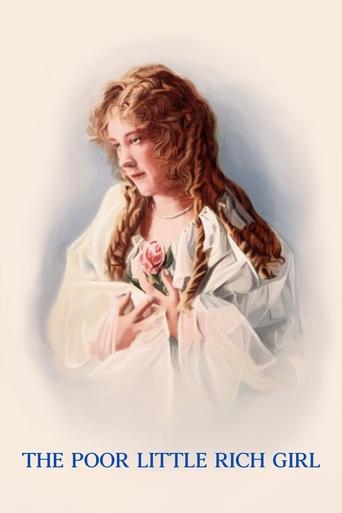
Titles linked here include The Birth of a Nation (1915), The Poor Little Rich Girl (1917).
When was Frank McGlynn Sr. Born and when did he die?
Born January 26, 1866; died May 18, 1951.
What awards did Frank McGlynn Sr. Win?
Despite his prolific career and iconic portrayals, Frank McGlynn Sr. Did not receive major formal awards such as Academy Awards. However, he was recognized by film historians and historical societies for his authentic portrayals of American historical figures, particularly Abraham Lincoln.
What was Frank McGlynn Sr.'s acting style?
McGlynn's acting style was rooted in classical stage techniques, characterized by dignified presence, clear diction, and emotional restraint. He brought meticulous research and historical accuracy to his roles, especially when portraying Lincoln, combining theatrical gravitas with authentic detail.