
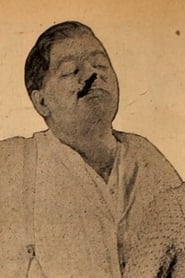
William Dyer
Actor
Born: October 9, 1881 in Missouri, USA Died: April 30, 1933 Active: 1917-1933 Birth Name: William Thomas Dyer
Films
3 films
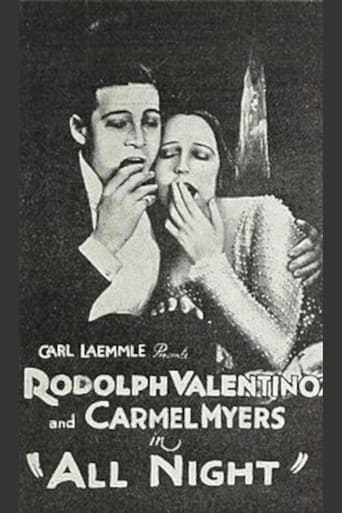
About William Dyer
Prolific American character actor: the silent era into the early sound period of Hollywood. Born in Missouri in 1881, Dyer began his film career during the burgeoning years of American cinema, quickly establishing himself as a reliable supporting actor. William appears in well over 200 films throughout his career, specializing in Westerns and adventure films where he often played authority figures, villains, or comic relief characters. Dyer worked with many of the era's biggest stars and directors, becoming a familiar face to audiences of the 1920s and early 1930s. His transition from silent films to talkies was successful, though his career was cut short by his untimely death in 1933. His final film, Sagebrush Trail, was released posthumously and featured a young John Wayne. Dyer's extensive filmography represents the work ethic and versatility required of character actors during Hollywood's formative decades.
The Craft
On Screen
Dyer was known for his versatility as a character actor, capable of playing both serious and comic roles with equal effectiveness. His style was typical of the silent era's exaggerated physical acting, which he successfully adapted for sound films. He had a commanding screen presence that made him particularly effective in roles as sheriffs, villains, and authority figures. Dyer's ability to quickly establish character traits made him valuable in supporting roles where he needed to make an immediate impression.
Milestones
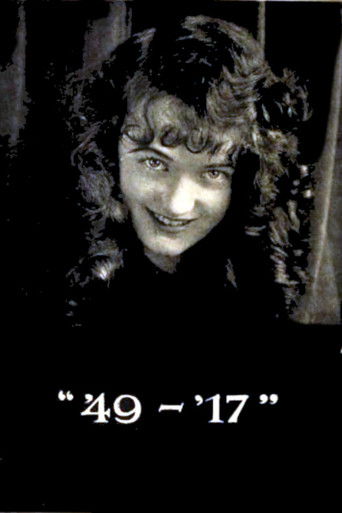
- Film debut in '49–'17 (1917)
- Appeared in over 200 films during his career
- Successful transition from silent films to talkies
- Worked with major studios including Universal and Mascot
- Final appearance in Sagebrush Trail (1933) with John Wayne
Best Known For
Iconic Roles
Must-See Films
Working Relationships
Worked Often With
Studios
Why They Matter
Impact on Culture
William Dyer represents the essential character actors who formed the backbone of Hollywood's studio system during its golden age. While never a leading man, his consistent presence in hundreds of films helped establish the visual language of American cinema, particularly in the Western genre. His work demonstrated the importance of supporting actors in creating believable worlds and providing context for the stories of main characters. Dyer's career trajectory mirrors the evolution of Hollywood from silent spectacles to sophisticated sound productions.
Lasting Legacy
William Dyer's legacy lies in his extensive body of work that serves as a valuable record of early American cinema. His films, particularly his Westerns, are studied by film historians for their authentic representation of the genre's development. While not a household name, Dyer contributed to the success of many films that have become classics of their era. His ability to adapt to the transition from silent to sound films exemplifies the professionalism and versatility that characterized the best character actors of his generation.
Who They Inspired
Dyer influenced subsequent generations of character actors through his demonstrated reliability and versatility. His work in Westerns helped establish archetypal supporting roles that would become standard in the genre. Younger actors studying his films could learn the importance of making strong impressions in limited screen time, a skill essential for character actors throughout Hollywood history.
Off Screen
William Dyer was married and had children, though specific details about his family life remain limited in historical records. He maintained a steady career in Hollywood during a period of rapid technological change in the film industry. His death in 1933 at age 51 cut short what had been a prolific and consistent career in motion pictures.
Education
Limited formal education information available for the period
Family
- Elizabeth Dyer (married until his death in 1933)
Did You Know?
- Appeared in over 200 films in just 16 years
- His final film 'Sagebrush Trail' was one of John Wayne's early starring roles
- Often credited as Bill Dyer in earlier films
- Specialized in Westerns during the sound era
- Died the same year his final film was released
- Began his career at age 36, relatively late for the era
- Worked consistently through the transition from silent to sound films
- Often played lawmen or villains due to his stern appearance
- Was a reliable presence in B-movie Westerns of the early 1930s
- His filmography represents the rapid production schedules of the studio system era
In Their Own Words
No documented famous quotes from William Dyer
Frequently Asked Questions
Who was William Dyer?
Screen credits include over 200 films during the silent era and early sound period, primarily known for his work in Westerns and supporting roles from 1917 to 1933.
What films is William Dyer best known for?
When was William Dyer born and when did he die?
Born October 9, 1881; died April 30, 1933.
What awards did William Dyer win?
William Dyer did not receive any major awards or nominations during his career, which was typical for character actors of his era who worked primarily in supporting roles and B-movies.
What was William Dyer's acting style?
Dyer was known for his versatility as a character actor, capable of playing both serious authority figures and comic relief roles, with a commanding screen presence that made him particularly effective in Westerns and adventure films.