
Vester Pegg
Actor
Born: May 20, 1888 in Appleton City, Missouri, USA Died: February 19, 1951 Active: 1917-1925
Films
3 films
About Vester Pegg
Prolific American character actor who flourished during the silent film era, best known for his numerous appearances in John Ford's early westerns at Universal Studios. Born in the late 19th century, Pegg began his film career around 1917 and quickly became one of director John Ford's most reliable supporting players during the formative years of Ford's directorial career. His rugged appearance and natural acting style made him perfectly suited for the western genre, where he often played villains, henchmen, or secondary character roles. Pegg appeared in more than 20 films between 1917 and 1925, with his most significant work being his collaborations with Ford on landmark silent westerns. His the transition from short films to feature-length productions, though like many silent era actors, his prominence diminished with the advent of sound. Despite never achieving leading man status, Pegg's contributions to early American cinema, particularly the western genre, were significant as part of the foundation upon which classic Hollywood westerns were built.
The Craft
On Screen
Pegg was known for his naturalistic and understated acting style, which was somewhat unusual for the exaggerated performances common in silent films. He brought a sense of authenticity to his western roles, using subtle facial expressions and body language rather than the grand gestures typical of the era. His rugged appearance and commanding presence made him particularly effective in antagonist and authority figure roles.
Milestones
- Early collaboration with director John Ford
- Regular supporting player in Universal westerns
- Appeared in over 20 silent films
- Key contributor to early American western cinema
- Transitioned from shorts to feature films
Best Known For
Iconic Roles
Must-See Films
Accolades
Special Recognition
- Recognized as a key contributor to early John Ford films
- Noted in film history books as part of Ford's stock company
Working Relationships
Worked Often With
Studios
Why They Matter
Impact on Culture
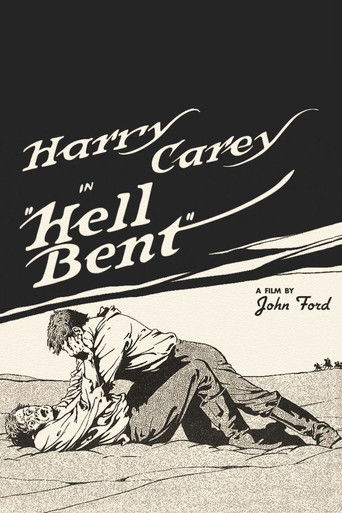
Vester Pegg's cultural impact lies primarily in his contribution to the development of the American western film genre during its formative years. As a regular member of John Ford's early stock company at Universal, Pegg helped establish many of the character archetypes and visual storytelling techniques that would define westerns for decades to come. His work in films like 'Straight Shooting' and 'Hell Bent' contributed to the creation of the western mythos that would become a cornerstone of American cinema. While never a star, Pegg's consistent supporting performances provided the essential foundation upon which leading actors could build their characters, helping to create the rich, textured worlds that made early westerns compelling.
Lasting Legacy
Vester Pegg's legacy is that of a quintessential character actor who played a crucial role in the development of early American cinema, particularly the western genre. His collaborations with John Ford during the director's formative years make him an important figure in film history, as these early films helped establish Ford's directorial style and visual language. Film historians and silent cinema enthusiasts recognize Pegg as part of the foundation upon which classic Hollywood westerns were built. His performances, while not leading roles, contributed to the authenticity and atmosphere of early westerns, helping to establish many of the genre's conventions that would persist for decades.
Who They Inspired
Pegg's influence is primarily seen through his contribution to the early development of the western film genre and his role in helping establish John Ford's directorial career. His naturalistic acting style, which was more restrained than many of his contemporaries, may have influenced the move toward more realistic performances in westerns. As part of Ford's early stock company, he helped create the collaborative atmosphere that would become a hallmark of Ford's later work with his own stock company of actors. While he didn't directly mentor famous actors, his work set a standard for supporting performances in genre films.
Off Screen
Vester Pegg led a relatively private life outside of his film career. Like many character actors of the silent era, he focused primarily on his craft rather than seeking celebrity status. After his film career ended in the mid-1920s, he largely disappeared from public view, returning to a more conventional life away from Hollywood. His later years were spent away from the entertainment industry, and he passed away in 1951, having lived long enough to see the complete transformation of the film industry he had helped establish.
Education
Family
- Information not publicly available
Did You Know?
- Appeared in John Ford's directorial debut 'The Taming of the Shrew' (1917)
- Worked frequently with western star Harry Carey in Universal westerns
- Was part of Universal Pictures' stock company of actors in the late 1910s
- His film career coincided exactly with the peak of the silent western era
- Often played villain or henchman roles due to his rugged appearance
- Appeared in both short films and feature-length westerns
- Worked during the transition when films were evolving from one-reel shorts to multi-reel features
- His career ended before the transition to sound films
- Like many supporting actors of his era, he never received screen credit in many of his films
- His performances helped establish many western character archetypes
In Their Own Words
No documented famous quotes are available for Vester Pegg, as was common for supporting actors of the silent era
Frequently Asked Questions
Who was Vester Pegg?
American character with credits in this catalog.
What films is Vester Pegg best known for?
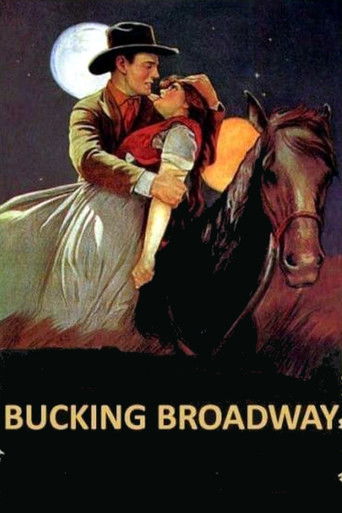
Titles linked here include Straight Shooting (1917), Bucking Broadway (1917).
When was Vester Pegg born and when did he die?
Born May 20, 1888; died February 19, 1951.
What was Vester Pegg's relationship with John Ford?
Pegg — regular member of John Ford's early stock company at Universal Pictures, appearing in multiple films directed by Ford during the director's formative years in the late 1910s.
What kind of roles did Vester Pegg typically play?
Pegg typically played supporting roles as villains, henchmen, or other character parts in western films, using his rugged appearance and naturalistic acting style to bring authenticity to these roles.
How long was Vester Pegg's film career?
Pegg's film active years covered from 1917 to approximately 1925, coinciding with the peak of the silent western era before the transition to sound films.
What was Vester Pegg's acting style?
Pegg was known for a more naturalistic and understated acting style compared to many of his silent era contemporaries, using subtle expressions rather than exaggerated gestures common in the period.