
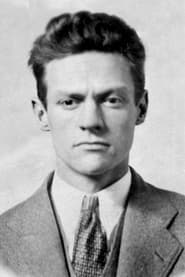
William Steele
Actor
Born: March 28, 1888 in San Antonio, Texas, USA Died: February 13, 1966 Active: 1915-1962 Birth Name: William Anton Gittinger
Films
3 films
About William Steele
William Steele appeared in over 300 films during his career, primarily in Westerns. He began his career in the silent era and successfully transitioned to sound films. Steele worked frequently with director John Ford, appearing in many of his early Westerns including Ford's directorial debut 'Straight Shooting' (1917). He was known for playing reliable sidekicks, villains, and various supporting roles throughout his decades-long career. His ability to adapt to changing cinematic technologies and his versatility as an actor made him a valuable presence in Hollywood's studio system. Steele continued working steadily through the 1930s and 1940s, appearing in numerous B-Westerns and supporting roles in major productions, with his final film appearance coming in 1962.
The Craft
On Screen
William Steele was known for his naturalistic and understated acting style, which was particularly effective in the Western genre. He had a commanding screen presence despite often playing supporting roles, and his ability to convey emotion through subtle expressions made him well-suited for the transition to sound films. Steele specialized in portraying reliable cowboys, trustworthy sidekicks, and occasionally menacing villains, bringing authenticity to his roles through his understanding of Western archetypes. His performances were characterized by a quiet confidence and reliability that made him a familiar face to audiences of classic Westerns.
Milestones
- Appeared in over 300 films during his career
- Frequent collaborator with director John Ford
- Successfully transitioned from silent films to talkies
- Prolific character actor in Western films
- Appeared in Ford's first feature film 'Straight Shooting' (1917)
Best Known For
Iconic Roles
Must-See Films
Working Relationships
Worked Often With
Studios
Why They Matter
Impact on Culture
William Steele contributed significantly to the development of the Western genre as one of its most prolific character actors. His consistent presence in hundreds of films helped establish many of the archetypal characters that would define Western cinema. Steele's work with directors like John Ford contributed to the evolution of the Western from simple melodramas to more complex narratives. His ability to transition from silent films to talkies demonstrated the adaptability required of actors during this transformative period in cinema history. Though often uncredited or playing minor roles, Steele's cumulative impact on the Western genre was substantial, providing continuity and authenticity to countless productions.
Lasting Legacy
William Steele's legacy lies in his remarkable filmography of over 300 appearances, making him. His work with John Ford in the director's formative years contributed to the development of one of cinema's most important directorial voices. Steele represents the countless reliable character actors who formed the backbone of Hollywood's studio system, providing consistency and professionalism across decades of filmmaking. His career shows the importance of supporting players in creating memorable films, even when their individual contributions might go unrecognized by mainstream audiences. Modern film historians and Western enthusiasts continue to discover and appreciate Steele's extensive body of work.
Who They Inspired
While William Steele may not have directly mentored famous actors or directors, his consistent performances influenced the development of character acting in Western films. His naturalistic style helped establish a template for supporting actors in the genre. Steele's professionalism and longevity served as an example for subsequent generations of character actors in Hollywood. His work with John Ford during the director's early years contributed to the development of Ford's distinctive directorial style, which would later influence countless filmmakers. The authenticity and reliability Steele brought to his roles helped elevate the quality of the productions he appeared in, indirectly influencing the overall standard of Western filmmaking.
Off Screen
William Steele was born William Anton Gittinger and adopted his stage name when he entered the film industry. He was married to actress Grace McAllister, with whom he had children. Despite his prolific career, Steele maintained a relatively private personal life away from the Hollywood spotlight. He was known among his colleagues as a reliable and professional actor who was always prepared for his roles. Steele's longevity in the industry was attributed to his work ethic and adaptability to changing industry trends.
Family
- Grace McAllister (1914-1966)
Did You Know?
- Born William Anton Gittinger, he adopted the stage name William Steele for his film career
- Appeared in John Ford's directorial debut 'Straight Shooting' (1917)
- His filmography spans over 300 films, though many were uncredited roles
- Successfully made the transition from silent films to talkies
- Often played sidekick characters to Western stars like Tom Mix and Hoot Gibson
- Worked with John Ford on multiple occasions throughout their careers
- Was part of the stock company of character actors who frequently appeared in Universal Westerns
- His active years covered nearly five decades, from the silent era through the early 1960s
- Despite his prolific output, he rarely received top billing or major publicity
- His final film appearance was in John Ford's 'The Man Who Shot Liberty Valance' (1962)
Frequently Asked Questions
Who was William Steele?
Screen credits include over 300 films, primarily Westerns, during a career spanning from the silent era through the early 1960s. Born William Anton Gittinger, he was a frequent collaborator with director John Ford and successfully transitioned from silent films to talkies.
What films is William Steele best known for?
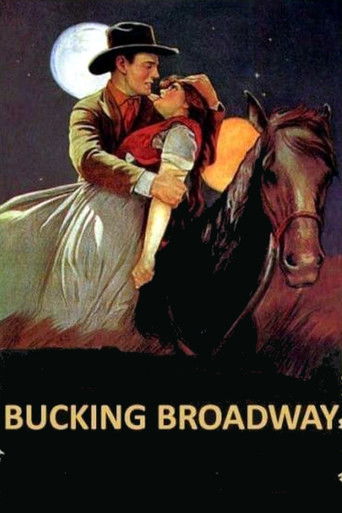
Titles linked here include Straight Shooting (1917), Bucking Broadway (1917).
When was William Steele born and when did he die?
Born March 28, 1888; died February 13, 1966.
What awards did William Steele win?
Despite his prolific career with over 300 film appearances, William Steele did not receive major industry awards or nominations. His contribution to cinema was through his consistent work as a reliable character actor rather than through formal recognition.
What was William Steele's acting style?
William Steele was known for his naturalistic and understated acting style, particularly effective in Western films. He brought authenticity to his roles through subtle expressions and a quiet confidence, making him well-suited for both silent films and talkies.
How did William Steele contribute to Western films?
William Steele contributed significantly to Western cinema by appearing in hundreds of films and helping establish archetypal characters. His work with directors like John Ford helped evolve the Western genre from simple melodramas to more complex narratives.