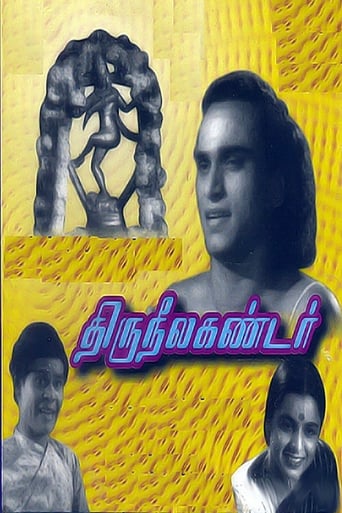

P. K. Raja Sandow
Director
Born: 1894 in Pudukkottai, Tamil Nadu, India Died: 1943 Active: 1920-1943 Birth Name: Ponnuswamy Kandasamy Raja Sandow
Films
1 film
About P. K. Raja Sandow
Figure in early Tamil cinema, primarily known for his work as an actor, producer, and director during the formative years of Indian talkies. Born in the late 19th century, he began his career in the silent film era and successfully transitioned to sound films in the 1930s. His 1939 directorial effort 'Thiruneelakantar' showcased his ability to handle devotional themes that were popular among South Indian audiences. Throughout his career, he demonstrated remarkable versatility, working both in front of and behind the camera, and was instrumental in establishing early Tamil cinema's artistic and commercial foundations. His contributions to the film industry spanned multiple decades, though his most active period as a director was concentrated in the late 1930s. Sandow's work reflected the cultural and social values of his time while pushing technical and artistic boundaries within the constraints of early Indian cinema infrastructure.
The Craft
Behind the Camera
Employed a narrative-driven approach with emphasis on devotional and mythological themes, utilizing theatrical techniques adapted for cinema and focusing on clear storytelling that resonated with South Indian audiences
Milestones
- Debuted in silent films in the 1920s
- Successfully transitioned to talkies
- Directed Thiruneelakantar (1939)
- Produced and acted in numerous early Tamil films
- Pioneered early Tamil cinema techniques
- Established production companies
- Mentored early Tamil film talent
Best Known For
Iconic Roles
Must-See Films
Accolades
Won
- No formal awards during his era as Indian film awards were not established
Nominated
- No formal nominations during his period
Special Recognition
- Recognized as a pioneer of Tamil cinema
- Posthumously acknowledged for contributions to early Indian cinema
Working Relationships
Worked Often With
Studios
Why They Matter
Impact on Culture
P. K. Raja Sandow played a crucial role in shaping early Tamil cinema during its transition from silent films to talkies. His work helped establish the foundation for the Tamil film industry that would later become one of India's most prolific regional cinemas. His focus on devotional and mythological themes helped create a template for successful Tamil cinema that balanced entertainment with cultural values. His technical innovations and storytelling techniques influenced generations of Tamil filmmakers.
Lasting Legacy
Raja Sandow's legacy endures as one of the architects of modern Tamil cinema. His contributions during the critical transition period of the 1930s helped establish many conventions that would define Tamil cinema for decades. Film historians recognize him as a pioneer who helped transform cinema from a novelty to a respected art form in South India. His name is often mentioned alongside other early pioneers who laid the groundwork for what would become Kollywood.
Who They Inspired
His directing style and approach to mythological storytelling influenced numerous later Tamil directors who worked in similar genres. His success as both actor and director inspired many early cinema artists to explore multiple roles within the industry. The technical and artistic standards he helped establish during the early talkie period continued to influence Tamil cinema well into the 1950s and beyond.
Off Screen
P. K. Raja Sandow led a life dedicated to cinema, often working long hours on film sets. His commitment to the craft came at personal cost, but he remained passionate about developing the Tamil film industry. He was known for his generosity toward aspiring actors and technicians in the industry.
Education
Limited formal education, largely self-taught in film techniques and performance arts
Family
- Rajammal
Did You Know?
- His screen name 'Sandow' was inspired by the famous bodybuilder Eugen Sandow
- He was one of the first Tamil actors to achieve star status
- Thiruneelakantar (1939) was one of his directorial works focusing on devotional themes
- He worked during the challenging transition period from silent to sound films
- His films often featured elaborate sets and costumes for mythological stories
- He was known for his physical fitness and maintained a muscular physique
- He helped launch the careers of several early Tamil cinema actors
- His production company was among the early indigenous film production houses in South India
- He died relatively young at age 49, cutting short a promising career
- His films are considered important artifacts of early Tamil cinema history
In Their Own Words
No widely documented quotes from his era due to limited media coverage
Frequently Asked Questions
Who was P. K. Raja Sandow?
Figure in early Tamil cinema, working as an actor, on YTB.my. He was instrumental in establishing the foundations of Tamil cinema during its transition from silent films to talkies.
What films is P. K. Raja Sandow best known for?
Titles linked here include Thiruneelakantar (1939), Pavalakkodi (1934).
When was P. K. Raja Sandow born and when did he die?
Born 1894; died 1943.
What awards did P. K. Raja Sandow win?
No formal awards were given during his era as Indian film awards were not yet established. However, he is posthumously recognized as a pioneer of Tamil cinema.
What was P. K. Raja Sandow's directing style?
His directing style emphasized narrative-driven storytelling with focus on devotional and mythological themes, using theatrical techniques adapted for cinema that resonated with South Indian audiences.