Thiruneelakantar
"Bhagavathar stars in the Tamil devotional hit Thiruneelakantar."
Keys: Space play/pause · ←/→ 10s · F fullscreen · M mute · </> speed
About this film
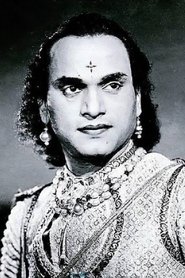
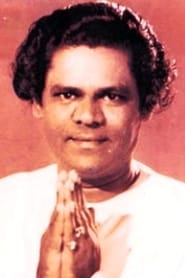
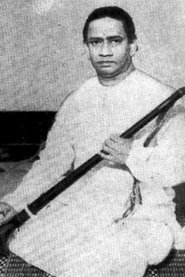
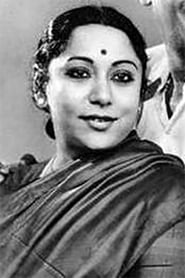
Thiruneelakantar Tamil-language film directed by Raja Sandow and starring M. K. Thyagaraja Bhagavathar. The film was a big hit and was known for M.K. Thyagaraja Bhagavathar's acting apart from his songs. Famous nadaswaram artist T. N. Rajarathinam Pillai makes a guest appearanace in the movie.The film was based on the life history of Thiruneelakanta Nayanar, one of the 63 Nayanmars.
Cast & crew

More about this film
About the production
The film was produced during the golden era of Tamil cinema when devotional films dominated the industry. Director P. K. Raja Sandow, a pioneer of Tamil cinema, brought his technical expertise and artistic vision to this production. The film featured elaborate sets depicting ancient Tamil architecture and temple surroundings. The production faced the typical challenges of 1930s Indian cinema, including limited technical resources and primitive sound recording equipment.
Themes
Themes & topics
Historical background
The 1939 premiere placed Thiruneelakantar alongside contemporaneous releases that were collectively teaching viewers how to read cinematic time and space.
Why this film matters
Archivists and festival programmers revisit Thiruneelakantar (1939) because it documents performance styles and craft choices that later mainstream releases refined or replaced.
Making of
The making of Thiruneelakantar reflected the collaborative spirit of early Tamil cinema. Director P. K. Raja Sandow worked closely with M. K. Thyagaraja Bhagavathar to ensure the film balanced musical elements with dramatic storytelling. The inclusion of T. N. Rajarathinam Pillai, a renowned classical musician, was considered revolutionary at the time. The production team faced significant challenges with sound recording technology, often having to record musical sequences in single takes. The elaborate temple sets were constructed by skilled artisans who understood traditional Tamil architecture. Bhagavathar's preparation for the role involved studying the life of Thiruneelakanta Nayanar and consulting with scholars on Shaivite traditions. The film's success was attributed to the perfect fusion of devotional content, classical music, and Bhagavathar's star power.
What critics said
Trade papers near 1939 treated Thiruneelakantar as program material—noticed when exhibitors needed a reliable slot-filler, seldom debated as auteur cinema.
Did you know?
- M. K. Thyagaraja Bhagavathar was the highest-paid actor in South Indian cinema during this period, commanding unprecedented fees
- The film featured nadaswaram artist T. N. Rajarathinam Pillai in a special guest appearance, bridging classical music and cinema
- This was one of the early films that established the devotional genre as a staple of Tamil cinema
- Director P. K. Raja Sandow was known as the 'John Barrymore of Indian cinema' for his acting prowess before becoming a director
- The film's success contributed to the rise of mythological and devotional films in Tamil cinema throughout the 1940s
- M. K. Thyagaraja Bhagavathar's performance was particularly noted for its dramatic depth beyond his singing abilities
- The film was released during the pre-independence era when cinema was becoming a medium for cultural expression
- The nadaswaram portions in the film were recorded live due to technical limitations of the era
- This was among the earliest films to portray the lives of Nayanmars on screen
- The film's sets were designed to replicate ancient Tamil temple architecture with remarkable detail
Visual style
The cinematography of Thiruneelakantar reflected the technical capabilities and artistic sensibilities of late 1930s Tamil cinema. The visual style emphasized dramatic lighting to create spiritual atmosphere, particularly in scenes depicting divine interventions. The camera work was relatively static compared to modern standards but included careful composition to frame the elaborate temple sets and religious ceremonies. Black and white photography was used to create contrast between earthly and divine elements, with lighting techniques suggesting spiritual transcendence. The cinematographer worked within the limitations of available equipment to create visually striking sequences, especially during the devotional song numbers. The visual narrative relied heavily on mise-en-scène, with detailed set designs and costumes contributing to the period authenticity. The camera angles were chosen to enhance the dramatic impact of Bhagavathar's performance, often positioning him as a central, heroic figure in the frame.
Innovations
Thiruneelakantar demonstrated several technical achievements for its era in Tamil cinema. The film successfully integrated live nadaswaram performances into the soundtrack, overcoming the challenges of recording acoustic instruments with early sound technology. The production created elaborate temple sets that convincingly replicated ancient Tamil architecture, showcasing advanced set design capabilities for the time. The sound recording team managed to capture both dialogue and musical elements with reasonable clarity despite the primitive equipment available. The film's makeup and costume design effectively created period-accurate representations of the saint's era. The lighting techniques used to create spiritual and divine effects were innovative for 1930s Tamil cinema. The synchronization of music and action in the song sequences was technically challenging but well-executed. The film's editing maintained narrative coherence while incorporating the extensive musical elements that were characteristic of the era.
Music
The soundtrack of Thiruneelakantar was a groundbreaking fusion of classical and devotional music that set new standards for Tamil cinema. The film featured numerous songs composed in traditional Carnatic style, with M. K. Thyagaraja Bhagavathar delivering powerful vocal performances that became classics. The inclusion of T. N. Rajarathinam Pillai's nadaswaram performances was revolutionary, bringing the revered classical instrument to film audiences. The music was composed to enhance the devotional narrative, with ragas carefully chosen to match the emotional content of each scene. The soundtrack included both traditional hymns dedicated to Lord Shiva and original compositions that fit seamlessly into the narrative. The recording techniques of the era meant that musical performances were often recorded live during filming, adding to their authenticity. The film's songs became immensely popular and were widely performed in concerts and religious gatherings, extending the film's cultural impact beyond the theater.
Famous quotes
Deivame thunai
Shiva perumane saranaagam
Namasivaya vaazhga
Thiruneelakanda pugazh paaduvome
Guruvai thozhudhu paaduvome
Memorable scenes
- The divine vision scene where Thiruneelakantar receives Lord Shiva's blessing
- The nadaswaram performance sequence featuring T. N. Rajarathinam Pillai
- The final recognition of Thiruneelakantar as a Nayanmar
- The temple construction scene demonstrating his devotion
- The miraculous healing sequence showing the saint's divine powers
What audiences thought
Thiruneelakantar was received with tremendous enthusiasm by audiences across Tamil Nadu. The film ran to packed houses for extended periods, with many viewers attending multiple screenings. Audiences were particularly moved by the devotional content and Bhagavathar's performance. The film's songs became popular and were sung in households long after the theatrical run. The inclusion of T. N. Rajarathinam Pillai's nadaswaram was a special attraction that drew music lovers to the theaters. The film's success was not just commercial but also emotional, with many viewers reporting profound spiritual experiences while watching. The movie helped strengthen the connection between cinema and religious devotion in the popular imagination. Audience response demonstrated the hunger for content that reflected their cultural and spiritual values, influencing the types of films produced in subsequent years.
Film connections
Influenced by
- Traditional Tamil Temple Art
- Shaivite Literature
- Classical Carnatic Music
- Tamil Religious Theater
- Earlier Tamil Mythological Films
This film influenced
- Subsequent Tamil devotional films of the 1940s
- Later Nayanmar biographical films
- Tamil religious cinema of the golden era
Film restoration
Like many films from the 1930s, Thiruneelakantar is considered partially lost or in poor preservation condition. Only fragments of the film are believed to exist in various archives, with complete prints being extremely rare. The National Film Archive of India may have some portions, but the film in its entirety is not readily accessible. Some audio recordings of the songs may have survived separately from the visual elements. The film represents an important but endangered part of Tamil cinema heritage that requires preservation efforts.
Where to watch
- Due to its age and preservation status, Thiruneelakantar is not commercially available on modern streaming platforms or home video. Some fragments or songs might be available through film archives, specialized cinema museums, or academic collections. The Film and Television Institute of India and the National Film Archive of India may have access to some portions for research purposes. Occasionally, classic film festivals or special screenings might feature available fragments. Audio recordings of some songs might be found in classical music archives or specialized collections of vintage Tamil film music.