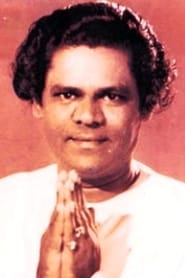
N. S. Krishnan
Actor
Born: November 29, 1909 in Nagercoil, Travancore (now Tamil Nadu), India Died: August 30, 1957 Active: 1935-1957 Birth Name: Nagercoil Sowrirajan Krishnan
Films
4 films
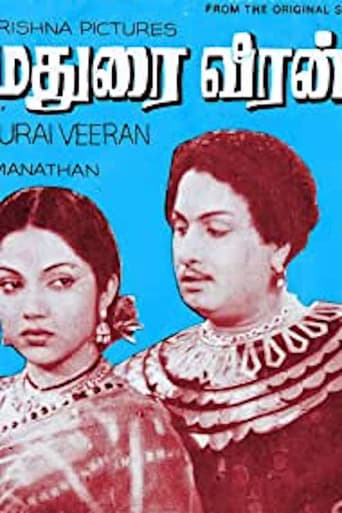
About N. S. Krishnan
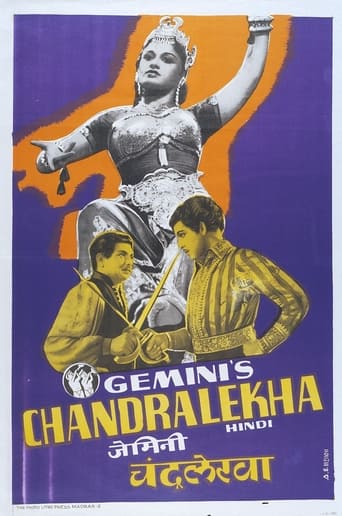
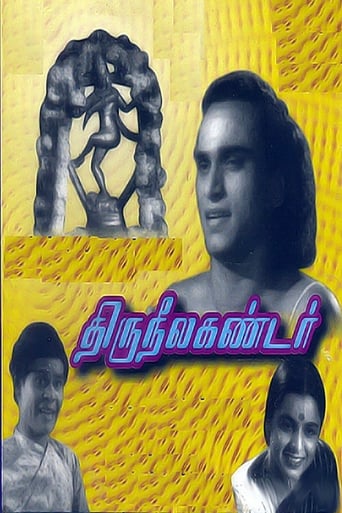
Nagercoil Sowrirajan Krishnan, universally known as N. S. Krishnan or 'Kalaivanar' (artistic genius), was a revolutionary figure in Tamil cinema who transformed comedy from mere entertainment to a medium for social commentary. Beginning his career in the 1930s, he quickly established himself as a versatile performer who could seamlessly blend humor with social messages about caste discrimination, women's rights, and freedom from British rule. His partnership with his wife T. A. Mathuram created one of cinema's most beloved on-screen couples, and their chemistry in films like 'Thiruneelakantar' (1939) and 'Chandralekha' (1948) set new standards for comedic timing and romantic pairing. Krishnan was not just an entertainer but a cultural activist who used his platform to challenge social injustices, particularly the caste system and superstitions. He pioneered many cinematic techniques in Tamil cinema, including double roles and narrative comedy sequences that influenced generations of filmmakers. His tragic death in 1957 at the height of his career left an irreplaceable void in Tamil cinema, but his legacy comedians and social commentators alike. Beyond his film career, Krishnan was actively involved in India's freedom struggle and maintained close relationships with political leaders, using his art to support the independence movement.
The Craft
On Screen
N. S. Krishnan revolutionized comedy in Tamil cinema by transforming it from slapstick entertainment to a sophisticated medium for social commentary. His style was characterized by impeccable timing, natural dialogue delivery, and the ability to seamlessly blend humor with serious social messages. He often played the common man who used wit and intelligence to challenge social injustices, particularly caste discrimination and superstitions. Krishnan's comedy was never just for laughs; it carried underlying messages about equality, justice, and social reform. His facial expressions, body language, and vocal modulation created a unique comedic persona that was both relatable and aspirational. Unlike many comedians of his era, he maintained dignity in his roles and refused to reduce comedy to mere buffoonery.
Milestones
- Debuted in Tamil cinema with 'Sathi Leelavathi' (1936)
- First actor to play double roles in Tamil cinema with 'Manamagal' (1947)
- Starred in the blockbuster 'Chandralekha' (1948) which became India's most expensive film at the time
- Pioneered socially relevant comedy that addressed caste discrimination and women's rights
- Formed the iconic comedy pair with wife T. A. Mathuram
- Participated actively in India's freedom struggle through his art
- Established his own production company 'N.S.K. Pictures'
- Mentored numerous actors and comedians who followed in his footsteps
Best Known For
Iconic Roles
Must-See Films
Accolades
Won
- Posthumously awarded the 'Kalaivanar' title by the Tamil film industry
- Tamil Nadu Government's 'Kalaimamani' award (posthumous)
- Government of India commemorative postage stamp (2006)
- Film Fans Association Award for Best Comedian (multiple years)
Special Recognition
- The title 'Kalaivanar' (Artistic Genius) became synonymous with his name
- Tamil Nadu government named a road after him in Chennai
- Multiple awards and institutions established in his memory
- Statues erected in various Tamil Nadu cities including Chennai and Madurai
- Annual cultural festival 'Kalaivanar Vizha' celebrated in his honor
- His films preserved as classics by the National Film Archive of India
Working Relationships
Worked Often With
Studios
Why They Matter
Impact on Culture
N. S. Krishnan fundamentally transformed the role of comedy in Indian cinema, elevating it from mere entertainment to a powerful tool for social change. His fearless approach to addressing sensitive topics like caste discrimination, untouchability, and women's rights through comedy made him a cultural revolutionary in pre-independence and post-independence India. He broke numerous social barriers by portraying characters from various castes and communities with dignity and respect, challenging the prevailing caste hierarchy. His influence extended beyond cinema into theatre, literature, and social reform movements. Krishnan's work contributed significantly to the Dravidian movement's cultural discourse, and his films were often used to spread progressive ideas to the masses. He pioneered the concept of 'comedy with a conscience' that continues to influence Tamil cinema today, and his approach to socially relevant entertainment has been adopted by filmmakers across India.
Lasting Legacy
N. S. Krishnan's legacy as 'Kalaivanar' endures as. He established a template for meaningful comedy that continues to influence generations of comedians and filmmakers, proving that entertainment can be both commercially successful and socially relevant. His work in double roles, narrative comedy sequences, and social commentary through humor set standards that remain benchmarks in Indian cinema. The institutions and awards established in his name continue to recognize excellence in comedy and social contribution. His films are studied as cultural artifacts that document the social transformation of South India during the freedom struggle and early independence period. Krishnan's approach to using art as a medium for social change has inspired countless artists to use their platforms responsibly. The annual commemorations of his birth anniversary, the preservation of his films in national archives, and the continued reference to his work in contemporary cinema all testify to his enduring impact on Indian culture and cinema.
Who They Inspired
N. S. Krishnan's influence on Tamil cinema and Indian performing arts is immeasurable and multi-generational. He virtually created the template for the socially conscious comedian in Indian cinema, inspiring legends like Chandrababu, Nagesh, and later generations including Vivek and Santhanam. His technique of using humor to address serious social issues has been adopted by filmmakers across Indian languages, from Guru Dutt in Hindi to Satyajit Ray in Bengali cinema. Krishnan's approach to character development in comedy roles influenced how supporting characters were written in Indian films, giving them more depth and social relevance. His partnership with T. A. Mathuram established the template for romantic comedy pairs in Indian cinema, influencing countless on-screen couples. The concept of comedy sequences that advance the plot while addressing social issues, which Krishnan pioneered, has become a staple in Indian cinema. Contemporary Tamil filmmakers like Vetri Maaran and Pa. Ranjith continue to draw inspiration from his socially conscious approach to cinema. His influence extends beyond film to television, where comedy shows with social messages follow the path he blazed decades ago.
Off Screen
N. S. Krishnan married actress T. A. Mathuram in 1939, creating both a real-life and on-screen partnership that became legendary in Tamil cinema. Their marriage was not just a personal union but a professional collaboration that produced some of the most memorable comedic sequences in Indian film history. Together they had three children: two sons named N. S. K. Natarajan and N. S. K. Balan, and a daughter named Lakshmi. Krishnan was known for his progressive views on social issues and was actively involved in the Indian independence movement, maintaining close relationships with political leaders including C. Rajagopalachari and K. Kamaraj. Despite his fame, he remained grounded and used his influence to support various social causes, particularly education for the underprivileged and the eradication of caste discrimination.
Education
Educated at Scott Christian College, Nagercoil; showed early talent in music and drama during school years
Family
- T. A. Mathuram (1939-1957)
Did You Know?
- He was the first actor in Tamil cinema to play double roles, a technique he pioneered in 'Manamagal' (1947)
- The title 'Kalaivanar' (Artistic Genius) was given to him by the public and became synonymous with his name
- He was a trained classical musician and singer, often performing his own songs in films
- Krishnan participated in the Quit India Movement and was briefly imprisoned by British authorities
- He refused to accept roles that perpetuated caste stereotypes or social injustices
- His film 'Chandralekha' (1948) was the most expensive Indian film made at that time, with a budget of ₹3 million
- He established his own production company 'N.S.K. Pictures' to maintain creative control over socially relevant projects
- Krishnan — close friend and confidant of C. Rajagopalachari, the last Governor-General of India
- He died at age 47 due to complications from diabetes, leaving several film projects incomplete
- A commemorative postage stamp was issued in his honor by India Post in 2006
- His dialogues and comedic timing are still studied by acting students in Tamil Nadu
- He was one of the first Indian actors to use cinema as a medium for social reform and political awareness
In Their Own Words
Comedy is not just about making people laugh; it's about making them think while they laugh.
If my humor can change even one person's mind about social injustice, my life as an artist has meaning.
The camera is my weapon against social evils, and comedy is my ammunition.
We don't need swords to fight injustice when we have wit and wisdom on our side.
Art without social consciousness is like a body without a soul.
Frequently Asked Questions
Who was N. S. Krishnan?
N. S. Krishnan, known as 'Kalaivanar' (Artistic Genius), was a legendary Tamil film actor, comedian, singer, and social reformer who revolutionized Indian cinema by using comedy as a medium for social commentary. He was active from the 1930s until his death in 1957 and is considered.
What films is N. S. Krishnan best known for?
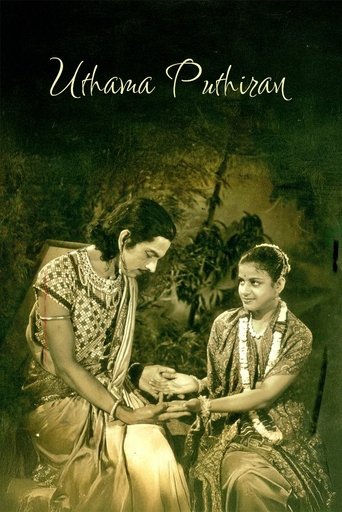
Titles linked here include Thiruneelakantar (1939), Uthama Puthiran (1940).
When was N. S. Krishnan born and when did he die?
Born November 29, 1909; died August 30, 1957.
What awards did N. S. Krishnan win?
He received the Tamil Nadu government's 'Kalaimamani' award posthumously, was honored with the title 'Kalaivanar' which became synonymous with his name, and was featured on a commemorative Indian postage stamp in 2006. Multiple awards and institutions have been established in his memory.
What was N. S. Krishnan's acting style?
His acting style revolutionized comedy by transforming it from mere entertainment to a sophisticated medium for social commentary. He used impeccable timing, natural dialogue delivery, and socially relevant themes to address issues like caste discrimination and women's rights while maintaining dignity in his comedic roles.
How did N. S. Krishnan influence Tamil cinema?
He pioneered socially relevant comedy, introduced double roles in Tamil cinema, established the template for meaningful entertainment, and influenced generations of comedians including Chandrababu, Nagesh, and contemporary artists. His approach to using cinema for social reform continues to inspire filmmakers today.
Who was N. S. Krishnan married to?
He married actress T. A. Mathuram in 1939, and together they formed one of Tamil cinema's most beloved on-screen and real-life couples, creating numerous memorable films and becoming cultural icons of their era.
What was N. S. Krishnan's role in India's independence movement?
He was actively involved in the freedom struggle, participated in the Quit India Movement, was briefly imprisoned by British authorities, and used his films to spread nationalist messages and support the independence cause.