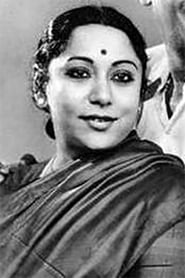
T. A. Madhuram
Actor
Born: 1905 in Tamil Nadu, India Died: 1970 Active: 1939-1948 Birth Name: Thiruvengadam Anna Madhuram
Films
3 films
About T. A. Madhuram
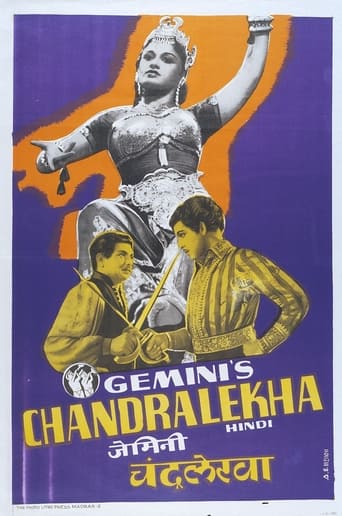
Made significant contributions during the transition from silent films to talkies. Born as Thiruvengadam Anna Madhuram in 1905, she began her career in stage theatre before transitioning to films in the late 1930s. She quickly established herself as a versatile character actress, particularly excelling in maternal and elderly roles that became her trademark. Her performance in the landmark film Chandralekha (1948) remains one of her most celebrated works, showcasing her ability to bring depth and authenticity to supporting characters. Throughout her decade-long film career, she worked with some of the most prominent directors of early Tamil cinema and appeared in numerous films that helped shape the industry's golden age. Madhuram's natural acting style and ability to embody traditional maternal figures made her a beloved figure among audiences of the era. She continued acting until the late 1940s before retiring from films, leaving behind a legacy as one of Tamil cinema's earliest and most respected character actresses.
The Craft
On Screen
Naturalistic and authentic portrayal of maternal figures, with emphasis on traditional values and emotional depth. Her style was rooted in theatrical training but adapted effectively for the camera, bringing gravitas and warmth to supporting roles.
Milestones
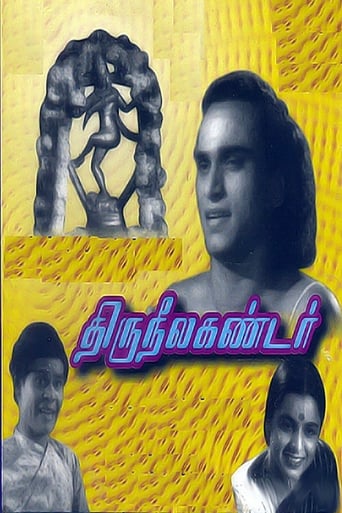
- Debut in Thiruneelakantar (1939)
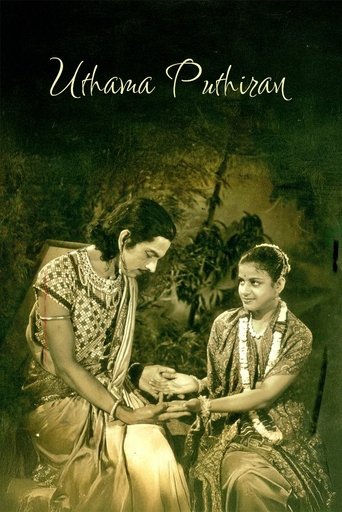
- Breakthrough role in Uthama Puthiran (1940)
- Iconic performance in Chandralekha (1948)
- work in early Tamil talkies
- Established the template for mother roles in Tamil cinema
Best Known For
Iconic Roles
Must-See Films
Accolades
Special Recognition
- Recognized as a pioneer of early Tamil cinema
- Remembered for establishing maternal character archetypes in South Indian films
Working Relationships
Worked Often With
Studios
Why They Matter
Impact on Culture
T. A. Madhuram played a crucial role in establishing the archetype of the mother figure in Tamil cinema, which became a staple in South Indian films for decades. Her performances helped legitimize character acting as a respected profession, particularly for women in supporting roles. Through her work in landmark films like Chandralekha, she contributed to the development of narrative techniques in early Indian cinema. Her naturalistic approach to acting influenced the transition from theatrical to cinematic performance styles in Tamil films.
Lasting Legacy
Madhuram's legacy endures through the countless mother roles that continue to be central to Tamil cinema narratives. She paved the way for future generations of character actresses to gain recognition and respect in the film industry. Her work in Chandralekha,. Film historians recognize her as an important figure in documenting the evolution of acting styles in early Indian talkies.
Who They Inspired
Her authentic portrayal of maternal figures influenced generations of Tamil actresses who followed in her footsteps. Directors of subsequent decades often referenced her performances when casting mother roles. Her success demonstrated that character actresses could achieve lasting fame and respect in the Indian film industry, challenging the notion that only lead actors mattered.
Off Screen
T. A. Madhuram came from a traditional Tamil family and was married early in life. She balanced her family responsibilities with her acting career, which was uncommon for women of her generation. Her husband supported her artistic pursuits, which was rare during that conservative era. She maintained a low profile off-screen and was known for her dedication to traditional values.
Education
Limited formal education, trained in traditional Tamil theatre and performing arts
Family
- Husband (name unknown, married 1920s-1970)
Did You Know?
- One of the first actresses to successfully transition from stage to Tamil talkies
- Her real name Thiruvengadam Anna Madhuram was often shortened to T. A. Madhuram for film credits
- Chandralekha (1948) was the most expensive Indian film made at that time and her role was pivotal
- She often played characters much older than her actual age
- Despite her success, she maintained a very private personal life
- Many of her films have been lost due to poor preservation of early Indian cinema
- She was part of the first wave of professional actresses in Tamil cinema
- Her acting style influenced the portrayal of mothers in South Indian films for decades
- She worked during a transformative period when Indian cinema was establishing its unique identity
- Her performances helped establish the emotional core of many early Tamil family dramas
In Their Own Words
Acting is not just performing, it's living the character's truth
Every role, big or small, contributes to the story's soul
The camera sees everything, so honesty in performance is essential
Frequently Asked Questions
Who was T. A. Madhuram?
actress in early Tamil cinema (1939-1948) known for her memorable mother roles and character performances in landmark films like Chandralekha. She was one of the first actresses to successfully transition from stage to talkies and helped establish the archetype of maternal figures in South Indian cinema.
What films is T. A. Madhuram best known for?
Titles linked here include Chandralekha (1948), Uthama Puthiran (1940).
When was T. A. Madhuram born and when did she die?
Born 1905; died 1970.
What awards did T. A. Madhuram win?
During her active years in the 1930s-1940s, formal award systems for Indian cinema were not yet established. However, she received posthumous recognition as a pioneer of early Tamil cinema and is remembered for establishing maternal character archetypes in South Indian films.
What was T. A. Madhuram's acting style?
Her acting style was naturalistic and authentic, particularly in portraying maternal figures. She brought theatrical gravitas adapted for the camera, emphasizing traditional values and emotional depth. Her performances were characterized by warmth and authenticity that resonated with audiences of the era.