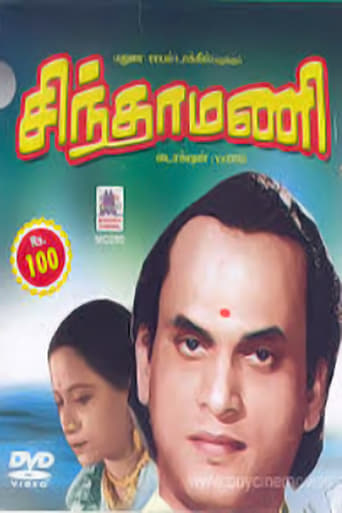
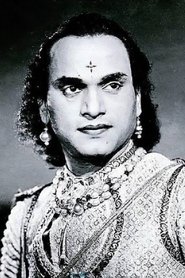
M. K. Thyagaraja Bhagavathar
Actor
Born: March 1, 1910 in Madurai, Madras Presidency, British India (now Tamil Nadu, India) Died: November 1, 1959 Active: 1934-1944 Birth Name: Mayuram Krishnamurthy Thyagaraja Bhagavathar
Films
2 films
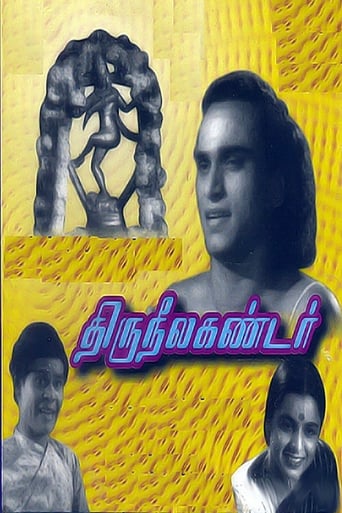
About M. K. Thyagaraja Bhagavathar
M. K. Thyagaraja Bhagavathar, often referred to as M.K.T., was an actor-singer who became one of the first superstars of Tamil cinema. Beginning his career as a stage performer in traditional Tamil theater companies, he transitioned to films during the early talkies era and revolutionized South Indian cinema with his powerful voice and charismatic screen presence. His breakthrough came with the 1937 film 'Chintamani,' which became a phenomenal success and ran for over a year in theaters. Bhagavathar's unique ability to combine classical singing with dramatic acting made him an instant sensation, and he quickly became the highest-paid actor in Indian cinema during his time. His career was tragically cut short when he became embroiled in the controversial Lakshmikanthan murder case in 1944, which led to his imprisonment and effectively ended his film career. Despite his brief cinematic span, he on Tamil cinema and is remembered as one of its greatest pioneers.
The Craft
On Screen
Bhagavathar's acting style was heavily influenced by his background in traditional Tamil theater, featuring exaggerated gestures, dramatic facial expressions, and powerful body language. He brought a theatrical intensity to his film performances that captivated audiences of the time. His ability to convey deep emotions through both his acting and singing created a unique dual performance style that became his trademark. He specialized in mythological and historical roles, bringing regal dignity and emotional depth to characters like kings, saints, and divine figures.
Milestones
- Breakthrough role in 'Chintamani' (1937) which became a record-breaking success
- Became the first Indian actor to earn one lakh rupees for a single film
- Starred in 'Thiruneelakantar' (1939) which further cemented his superstar status
- Released numerous successful music albums that became bestsellers
- Established himself as the highest-paid actor in Indian cinema of the 1930s-40s
Best Known For
Iconic Roles
Must-See Films
Accolades
Special Recognition
- Recognized as one of the pioneers of Tamil cinema
- His songs are still preserved and celebrated in Tamil music archives
- Multiple postage stamps issued in his honor by the Indian government
- Streets and theaters in Tamil Nadu named after him
Working Relationships
Worked Often With
Studios
Why They Matter
Impact on Culture
M. K. Thyagaraja Bhagavathar revolutionized Tamil cinema by bridging the gap between traditional theater and modern filmmaking. His success demonstrated that films could be commercially viable while maintaining cultural and artistic integrity, paving the way for the golden age of Tamil cinema. He popularized the concept of the actor-singer in Indian cinema, influencing the industry's structure for decades. His films helped preserve and promote Tamil classical music and culture among mass audiences. Bhagavathar's stardom created the template for the South Indian film star system, where actors became cultural icons with enormous social influence beyond cinema.
Lasting Legacy
Bhagavathar's legacy endures through his timeless songs, which continue to be performed by classical musicians and cherished by connoisseurs of Tamil music. He is remembered as the first true superstar of South Indian cinema, setting benchmarks for artistic excellence and commercial success. His tragic story has become part of Tamil cinema folklore, often cited as a cautionary tale about fame and fortune. The acting-singing model he established became the standard for Tamil cinema for decades, influencing countless performers who followed. His contributions to preserving Tamil culture through cinema earned him a permanent place in the pantheon of Tamil cultural heroes.
Who They Inspired
Bhagavathar directly influenced the careers of subsequent Tamil cinema legends like M. G. Ramachandran, who admired his screen presence and singing ability, and Sivaji Ganesan, who studied his dramatic techniques. His approach to combining music and acting became the blueprint for successful Tamil film actors for generations. The emotional intensity and vocal prowess he brought to his performances set new standards for artistic excellence in Indian cinema. His success proved that regional language films could achieve massive commercial success, encouraging investment in other regional film industries across India.
Off Screen
M. K. Thyagaraja Bhagavathar married Lakshmi Ammal in a traditional ceremony. His personal life was deeply connected to music and devotion, as he was a devout Hindu and many of his songs reflected his spiritual beliefs. He maintained a simple lifestyle despite his enormous success and was known for his generosity towards fellow artists and the poor. His life took a dramatic turn when he was implicated in the murder of journalist Lakshmikanthan, leading to his imprisonment and the premature end of his cinematic career.
Education
Primarily self-taught in music and acting, received informal training in classical Carnatic music from various gurus during his theater years
Family
- Lakshmi Ammal (married until his death in 1959)
Did You Know?
- He was the first Indian actor to earn one lakh rupees (100,000) for a single film, an astronomical amount in the 1930s
- His film 'Chintamani' (1937) ran for over 365 days in theaters, a record at the time
- Despite his short film career, he acted in only 14 films but achieved legendary status
- He was a trained Carnatic vocalist who could sing in multiple languages including Tamil, Telugu, and Sanskrit
- His imprisonment in the Lakshmikanthan murder case was later overturned, but his career never recovered
- He was known to perform free concerts for the poor and charitable causes
- His songs were so popular that they were often played on radio even decades after his death
- He rejected several Hollywood film offers to focus on Tamil cinema
- His voice was considered so divine that many fans believed he had supernatural abilities
- He maintained a strict vegetarian diet and was a teetotaler throughout his life
In Their Own Words
Music is not my profession, it is my prayer to the divine
The stage is my temple, and the audience is my deity
Success is temporary, but art is eternal
I would rather be remembered for one song than a hundred films
Frequently Asked Questions
Who was M. K. Thyagaraja Bhagavathar?
with credits in this catalog. He was renowned for his powerful voice and dramatic acting style, particularly in mythological and historical films.
What films is M. K. Thyagaraja Bhagavathar best known for?
Titles linked here include Chintamani (1937), Thiruneelakantar (1939).
When was M. K. Thyagaraja Bhagavathar born and when did he die?
Born March 1, 1910; died November 1, 1959.
What awards did M. K. Thyagaraja Bhagavathar win?
During his active period, formal film awards were not established in India, but he received numerous honors and recognitions including being featured on postage stamps and having streets and theaters named after him. He is recognized as one of the pioneers of Tamil cinema.
What was M. K. Thyagaraja Bhagavathar's acting style?
His acting style combined theatrical intensity with musical virtuosity, featuring exaggerated gestures and dramatic expressions influenced by his theater background. He specialized in mythological roles, bringing regal dignity and emotional depth to characters through both acting and singing.
Why did M. K. Thyagaraja Bhagavathar's career end so abruptly?
His career ended abruptly due to his involvement in the 1944 Lakshmikanthan murder case. Though his conviction was later overturned, the scandal and imprisonment effectively ended his film career, preventing him from returning to cinema despite his eventual legal vindication.
What was M. K. Thyagaraja Bhagavathar's legacy in Indian cinema?
His legacy includes establishing the actor-singer model in Tamil cinema, proving regional films could achieve massive commercial success, and preserving Tamil culture through film. He influenced generations of actors and is remembered as Tamil cinema's first true superstar.