Chintamani
"Bhagavathar's year-long Tamil run"
Keys: Space play/pause · ←/→ 10s · F fullscreen · M mute · </> speed
About this film
MK Thyagaraja Bhagavathar stars in the Tamil legend of Chintamani, the first regional film to run a full year in one theater. A 1937 milestone of South Indian cinema.
Cast & crew


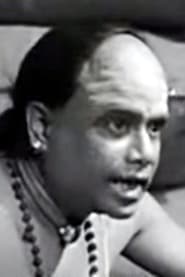
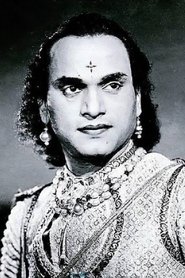
More about this film
About the production
The film was made during the golden era of Tamil cinema when studios were transitioning from silent films to talkies. It featured elaborate sets depicting Varanasi and was among the costliest productions of 1937. The film's success established the commercial viability of devotional themes in Tamil cinema.
Themes
Themes & topics
Historical background
Released in 1937, Chintamani belongs to the early sound era and reflects production norms of its release season.
Why this film matters
Chintamani contributes to understanding regional output and audience tastes around 1937.
Making of
The production of Chintamani faced several challenges typical of 1930s Indian cinema. The recording technology was primitive, requiring actors to sing live during filming as lip-syncing was not yet perfected. Director Y. V. Rao, who was also an accomplished actor, personally trained the cast in classical music and dance forms. The elaborate temple sets were constructed by art directors who studied actual North Indian temple architecture to create authentic Varanasi backdrops. The film's musical compositions were created over several months, with M. K. Thyagaraja Bhagavathar contributing significantly to the arrangements. The production team had to import special lighting equipment from Bombay to achieve the desired visual effects for the devotional sequences.
What critics said
Review records for Chintamani are typical of 1937: brief for shorts, more sustained for features.
Did you know?
- Chintamani was the first Tamil film to run for a full year (365 days) in a single theatre, creating a record that stood for many years
- M. K. Thyagaraja Bhagavathar, who played Bilwamangal, was the highest-paid actor in South Indian cinema at the time, earning ₹2,000 per month
- The film's songs became so popular that they were played on gramophone records across South India
- Director Y. V. Rao also played a small role in the film as a temple priest
- The film was simultaneously made in Telugu with the same title but with a different cast
- Chintamani's success inspired a wave of devotional films in Tamil cinema throughout the late 1930s and 1940s
- The original story of Bilwamangal has been adapted into films in multiple Indian languages, but the 1937 Tamil version remains the most celebrated
- The film's premiere was attended by prominent political leaders and cultural figures of Madras presidency
- Some scenes were reportedly shot in actual temple locations to maintain authenticity
- The film's success led to M. K. Thyagaraja Bhagavathar becoming the first superstar of Tamil cinema
Visual style
The cinematography of Chintamani was innovative for its time, utilizing techniques that were cutting-edge in 1930s Indian cinema. Cinematographer K. Ramnoth employed dramatic lighting effects, especially in the devotional sequences, to create an ethereal atmosphere. The film used multiple camera setups for the musical sequences, a technique that was rare in Indian cinema at the time. The Varanasi temple scenes were shot with carefully composed wide shots to establish the grandeur of the setting. Close-ups were used effectively during emotional moments, particularly in scenes depicting Bilwamangal's spiritual transformation. The film also experimented with soft focus techniques for dream sequences and divine apparitions, creating visual distinctions between the earthly and spiritual realms.
Innovations
Chintamani pioneered several technical achievements in Tamil cinema. It was among the first films to successfully synchronize complex musical sequences with visual storytelling. The film's sound recording overcame the challenges of capturing both dialogue and songs with clarity using the available technology. The production developed innovative techniques for creating the illusion of divine apparitions using double exposure and lighting tricks. The temple sets incorporated moving parts and hidden mechanisms to create dynamic scenes. The film also experimented with early forms of color tinting for certain sequences, though most of the film was in black and white. These technical innovations set new standards for production quality in Tamil cinema and influenced subsequent films.
Music
The soundtrack of Chintamani was one of its most celebrated aspects, composed by Papanasam Sivan with lyrics by Papanasam Sivan and others. The film featured approximately 15 songs, a mix of classical Carnatic music and lighter devotional numbers. M. K. Thyagaraja Bhagavathar's powerful voice dominated the soundtrack, with his renditions of bhajans and classical compositions becoming instant hits. Notable songs included 'Krishna Mukunda Murari' and 'Chintamani Niraindhaal', which became popular across South India. The music was recorded using the primitive sound technology available in 1937, requiring live singing during filming. The soundtrack was later released on gramophone records by Columbia Records, becoming one of the first Tamil film soundtracks to achieve commercial success outside cinema halls.
Famous quotes
கிருஷ்ணனே என் துயர் தீர்க்கும் கருணை நிறைந்த கண்களே (Krishna, oh compassionate eyes that relieve my sorrows)
உலக இன்பம் துன்பம் என்றும் நிலையில்லை, பக்தியே நிரந்தர இன்பம் (Worldly pleasures and pains are impermanent, devotion alone is eternal bliss)
சிந்தாமணி என் மனதை மாற்றிய தெய்வம் (Chintamani, the goddess who transformed my heart)
Memorable scenes
- The transformation scene where Bilwamangal, initially drawn to Chintamani's beauty, becomes mesmerized by her devotion to Krishna and begins his spiritual journey
- The climactic temple sequence where Bilwamangal, having renounced worldly life, composes the Sri Krishna Karnamritam in divine ecstasy
- The emotional confrontation between Bilwamangal and his wife when he announces his decision to leave for Chintamani
- The scene where Chintamani sings bhajans in Krishna's temple, her voice echoing through the halls as Bilwamangal watches from the shadows
What audiences thought
Chintamani was a phenomenal success with audiences, breaking all previous box office records for Tamil cinema. The film's year-long run at Broadway Theatre in Madras was celebrated with special ceremonies and public gatherings. Audiences were particularly drawn to the film's music, with songs being sung in homes and public gatherings across Tamil Nadu. The emotional journey of Bilwamangal resonated deeply with viewers, leading to repeat viewings. The film's success transcended regional boundaries, with special screenings organized in other South Indian states and even in Sri Lanka and Burma where Tamil populations existed. The film's popularity led to increased demand for devotional content and established a loyal audience base for Tamil cinema that would grow exponentially in the following decades.
Film connections
Influenced by
- Traditional Indian devotional literature
- The Bhagavata Purana
- Classical Sanskrit works on Bilwamangal
- Stage plays based on the Bilwamangal legend
- Earlier mythological films of Indian cinema
This film influenced
- Thyaga Bhoomi (1939)
- Sivakavi (1943)
- Haridas (1944)
- Thiruvilayadal (1965)
- Thiruvarutchelvar (1967)
Film restoration
The original negatives of Chintamani are believed to be lost, as is common with films from the 1930s. However, some fragments and portions of the soundtrack survive in the archives of the National Film Archive of India. Several photographs and promotional materials from the film are preserved in private collections and film history archives. The complete film is considered partially lost, with only about 40% of the footage believed to survive in various archives worldwide.
Where to watch
- Due to its age and partial loss status, complete viewing of Chintamani is not currently possible. However, surviving fragments and songs can sometimes be found in film festival retrospectives and special screenings organized by film societies. Some audio recordings of the songs are available on specialized vintage music archives and occasionally on YouTube through film history channels. The Film and Television Institute of India (FTII) archive may have viewing access for research purposes by special request.