No Poster
Films
2 films
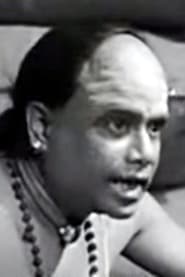
About L. Narayana Rao
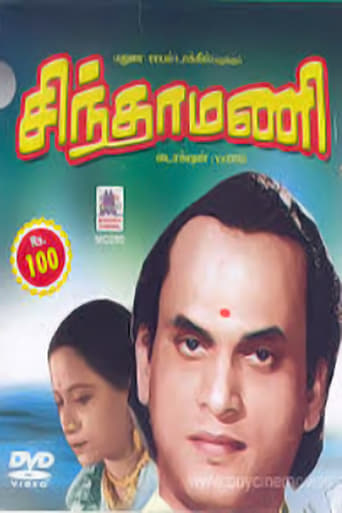
Prominent character actor in the golden era of Tamil cinema, primarily active during the 1930s and 1940s. He made his mark in the film industry with his role in the Tamil film 'Chintamani' (1937), which became successful films of early Tamil cinema. Throughout his career, he appeared in numerous films, often portraying supporting and character roles that added depth to the narratives. His performance in 'Avvaiyyar' (1953) further cemented his reputation as a reliable character actor who could bring authenticity to traditional and mythological roles. Narayana Rao was part of the transition from silent films to talkies in South Indian cinema, adapting his craft to the new medium of sound. His nearly two decades, during which he worked with some of the most celebrated actors and directors of his time. Though primarily known for his work in Tamil films, he contributed significantly to establishing the foundation of character acting in South Indian cinema.
The Craft
On Screen
L. Narayana Rao was known for his naturalistic approach to character acting, bringing authenticity to traditional and mythological roles. His performances were marked by a dignified presence and the ability to convey complex emotions through subtle expressions. As a character actor from the early talkies era, he mastered the art of theatrical delivery adapted for the screen, with clear diction and expressive body language that was essential for the stage-influenced cinema of that period.
Milestones
- Breakthrough role in 'Chintamani' (1937)
- Memorable performance in 'Avvaiyyar' (1953)
- Part of the transition era from silent to sound films in Tamil cinema
- Worked during the golden age of Tamil cinema
Best Known For
Iconic Roles
Must-See Films
Working Relationships
Worked Often With
Why They Matter
Impact on Culture
L. Narayana Rao contributed to the development of character acting in Tamil cinema during its formative years. His work in landmark films like 'Chintamani' helped establish the template for supporting roles in Tamil cinema, showing how character actors could enhance the narrative without overshadowing the leads. As part of the early generation of Tamil film actors, he helped bridge the gap between traditional theatre and modern cinema, bringing theatrical gravitas to the new medium of film.
Lasting Legacy
L. Narayana Rao's legacy lies in his contributions to establishing strong character acting traditions in Tamil cinema. His performances in historically significant films like 'Chintamani' and 'Avvaiyyar' serve as examples of early Tamil character acting at its finest. While he may not have achieved the stardom of his lead co-stars, his work helped create the foundation for the robust supporting actor ecosystem that continues to thrive in Tamil cinema today.
Who They Inspired
L. Narayana Rao influenced subsequent generations of character actors in Tamil cinema by demonstrating the importance of dignity and authenticity in supporting roles. His ability to enhance stories without dominating the screen set a standard for character actors who followed. His work in mythological and historical films particularly influenced how traditional roles would be portrayed in Tamil cinema for decades to come.
Off Screen
Limited documentation exists about L. Narayana Rao's personal life, which was common for character actors of his era. Like many actors from early Tamil cinema, he maintained a private life away from the limelight, focusing primarily on his craft and contributions to the film industry.
Did You Know?
- Appeared in 'Chintamani' (1937), which was one of the biggest box office hits of early Tamil cinema
- The film 'Chintamani' ran for over a year in theaters, an unprecedented achievement at the time
- Worked during the transition period when Tamil cinema was establishing its unique identity
- His film 'Avvaiyyar' (1953) was based on the life of the legendary Tamil poetess
- Part of the early generation of actors who helped define Tamil cinema's golden age
- Like many actors of his era, he likely came from a theatre background before entering films
Frequently Asked Questions
Who was L. Narayana Rao?
Character with credits in this catalog. He was part of the early generation of actors who helped establish Tamil cinema's golden age.
What films is L. Narayana Rao best known for?
Titles linked here include Chintamani (1937), Avvaiyyar (1953).
When was L. Narayana Rao active in cinema?
L. Narayana Rao was active in Tamil cinema from 1937 to 1953, spanning nearly two decades during the formative years of the Tamil film industry.
What type of roles did L. Narayana Rao typically play?
L. Narayana Rao primarily played supporting and character roles, often portraying traditional elder figures and characters in mythological and historical films. He was known for bringing dignity and authenticity to these roles.
What was L. Narayana Rao's contribution to Tamil cinema?
L. Narayana Rao contributed to establishing strong character acting traditions in Tamil cinema during its golden age. His work in landmark films helped set standards for supporting roles and influenced future generations of character actors in the industry.