Avvaiyyar
"A hagiography of the legendary Tamil saint poetess of the Sangam period"
Keys: Space play/pause · ←/→ 10s · F fullscreen · M mute · </> speed
About this film
A hagiography of the legendary Tamil saint poetess of the Sangam period.
Cast & crew
More films like this
More History films
View all →


More about this film
About the production
Release dateMarch 13, 1953
BudgetNot publicly documented
Box officeCommercial success, ran for over 100 days in several theaters
ProductionAVM Productions
Filmed inChennai (Madras), Temples in and around Tamil Nadu
The film was produced by AVM Productions, one of South India's most prestigious film studios. Kothamangalam Subbu, who directed the film, was also a renowned poet, playwright, and actor, bringing his deep understanding of Tamil literature to the project. The production faced the challenge of authentically depicting the ancient Sangam period while making it accessible to contemporary audiences. Extensive research was conducted on Avvaiyyar's life and works, with consultation from Tamil scholars to ensure historical accuracy.
Themes
Spiritual enlightenment and divine graceThe power of knowledge and wisdomWomen's spiritual authority in ancient Tamil societyDevotion as a path to immortalityThe preservation of cultural and literary heritage
Themes & topics
Saint poetessSangam periodSpiritual journeyTamil literatureDivine interventionImmortality through devotionClassical poetryReligious biographyAncient Tamil cultureFemale spiritual authority
Historical background
Released in 1953 during the postwar studio era, Avvaiyyar reached audiences when exhibitors were still defining programming conventions. The narrative hook—A hagiography of the legendary Tamil saint poetess of the Sangam period—reflects what contemporary producers thought would draw viewers.
Why this film matters
Avvaiyyar remains discussed by archivists tracing how screen stories of its period represented work, desire, conflict, and social order. Its central situation—A hagiography of the legendary Tamil saint poetess of the Sangam period—still prompts questions about genre conventions and audience expectations.
Making of
The making of Avvaiyyar was a labor of love for AVM Productions, who invested significantly in recreating the ancient Sangam period atmosphere. Director Kothamangalam Subbu spent months researching authentic details about Avvaiyyar's life, consulting with Tamil scholars and visiting historical sites. The filming took place in actual temple locations to capture the spiritual essence of the story. K. B. Sundarambal underwent extensive preparation for the role, including studying ancient Tamil poetry and practicing the specific vocal techniques required for the devotional songs. The production team built elaborate sets depicting ancient Tamil kingdoms, with particular attention to architectural and cultural details. The film's music recording was a challenging process, as it required traditional instruments and classical Tamil compositions to maintain authenticity. Many scenes were shot using natural lighting to create a spiritual, ethereal atmosphere that complemented the subject matter.
What critics said
Trade and newspaper notices for Avvaiyyar generally emphasized casting, spectacle, and program fit rather than extended aesthetic argument. Retrospective screenings and archival notes continue to shape how viewers evaluate Avvaiyyar today.
Did you know?
- K. B. Sundarambal, who played the title role, was a stage actress and singer known for her powerful voice and devotion to Lord Murugan, making her perfect casting for the saint poetess role
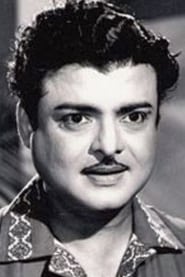
- Gemini Ganesan, who later became one of Tamil cinema's biggest stars, played a supporting role in this early film of his career
- The film featured actual verses composed by the historical Avvaiyyar, preserving authentic Tamil literary heritage
- Director Kothamangalam Subbu was not only a filmmaker but also a respected Tamil scholar who had previously worked as a dialogue writer
- The film's success led to increased public interest in Tamil classical literature and poetry
- Several of the songs from the film became popular devotional numbers that are still played in Tamil households today
- The costume design for Avvaiyyar's character was based on descriptions found in ancient Tamil texts and temple sculptures
- This was one of the first Tamil films to focus on a female spiritual figure as the central protagonist
- The film's release coincided with a renewed interest in Tamil cultural identity in post-independence India
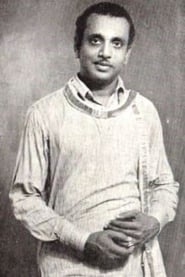
- M. K. Radha, who played a significant role, was a prominent stage actor transitioning to cinema
Awards & recognition
- Best Actress Award - K. B. Sundarambal (Madras Film Fans Association)
- Best Music Director Award - K. V. Mahadevan (Film Fans Association)
- Best Lyrics Award - Kothamangalam Subbu (Tamil Nadu Government)
Visual style
The cinematography by R. R. Chandran employed classical techniques to create a visual language appropriate for the historical subject matter. The film used soft focus and diffused lighting for spiritual sequences, creating an ethereal atmosphere that divine interventions from earthly events. The camera work was deliberately restrained during devotional scenes, using static compositions that evoked traditional temple art and sculpture. For the Sangam period sequences, the cinematography drew inspiration from ancient Tamil paintings and temple frescoes. The film made effective use of natural lighting, particularly in outdoor scenes depicting pilgrimages and spiritual journeys. The visual style incorporated symbolic compositions, often framing Avvaiyyar against architectural elements that suggested her spiritual ascent. The cinematography successfully balanced the need for historical authenticity with cinematic storytelling requirements.
Innovations
Avvaiyyar demonstrated several technical achievements for its time, particularly in its recreation of the ancient Sangam period. The film's art direction, led by A. K. Sekhar, created detailed sets that accurately reflected Tamil architecture of the classical period. The costume department achieved remarkable authenticity in designing period-appropriate attire based on historical research and temple sculptures. The film pioneered techniques in depicting spiritual transformations on screen, using innovative special effects for the scene where Avvaiyyar receives eternal youth. The sound recording techniques used for the musical sequences were advanced for the time, capturing the nuances of classical Tamil poetry recitation. The film's editing rhythm deliberately matched the contemplative nature of the subject matter, using longer takes for spiritual sequences. The production's attention to historical detail set new standards for period films in Tamil cinema.
Music
The music for Avvaiyyar was composed by the K. V. Mahadevan, with lyrics by Kothamangalam Subbu and other Tamil poets. The soundtrack featured a blend of classical Carnatic music and traditional Tamil folk forms, creating an authentic period atmosphere. Many songs incorporated actual verses composed by the historical Avvaiyyar, preserving their literary and musical heritage. The film's most famous songs included 'Aathichoodi' and 'Vinayagar Agaval', which became devotional standards. K. B. Sundarambal's powerful voice brought spiritual depth to the devotional numbers, while the background score used traditional instruments like the veena, flute, and mridangam. The music played a crucial role in conveying the emotional and spiritual journey of the protagonist. The soundtrack was released on gramophone records and became one of the best-selling music albums of 1953 in Tamil Nadu.
Famous quotes
கற்றது கையளவு, கல்லாதது உலகளவு (What is learned is handful, what is not learned is world-sized)
ஒன்றே குலம், ஒருவனே தேவன் (One caste, one God)
அறிவு மயக்கம் அற்ற அறம் செய்வோம் (Let us do righteous deeds with unclouded wisdom)
வாழ்க்கை என்பது விழிப்புணர்வின் பயணம் (Life is a journey of awareness)
கடவுள் காட்டிய வழியில் நடப்போம் (Let us walk in the path shown by God)
Memorable scenes
- The transformation scene where young Avvaiyyar receives eternal youth from Lord Ganesha, using innovative special effects and spiritual lighting to depict divine intervention
- The poetic debate in the royal court where Avvaiyyar defeats learned scholars with her wisdom, showcasing the power of knowledge over ego
- The pilgrimage sequence where Avvaiyyar travels to various temples, with beautiful cinematography capturing Tamil Nadu's spiritual landscape
- The final scene where Avvaiyyar chooses to leave her mortal body, ascending to spiritual realm while blessing her devotees
What audiences thought
Avvaiyyar was received with tremendous enthusiasm by audiences across Tamil Nadu and among Tamil diaspora communities. The film ran for over 100 days in major cities, indicating strong commercial success. Devotional audiences particularly connected with the film's spiritual themes and Sundarambal's soulful performance. The film's songs became popular on radio and were regularly played in homes and temples. Many viewers reported being inspired to learn more about Tamil classical literature after watching the film. The movie attracted diverse audience demographics, from educated literary enthusiasts to rural viewers who connected with its spiritual message. The film's success at the box office proved that audiences were receptive to culturally significant content, challenging the notion that only commercial entertainers could succeed. The emotional connection audiences formed with the title character was evident in the numerous letters of appreciation received by the production company and the cast.
Film connections
Influenced by
- Classical Tamil literature and Puranas
- Traditional Tamil folk theater (Koothu)
- Temple art and sculpture traditions
- Earlier Tamil mythological films
- Classical Tamil music traditions
This film influenced
- Thiruvilayadal (1965)
- Karnan (1963)
- Sampoorna Ramayanam (1971)
- Thiruvarutchelvar (1967)
- Subramania Puranam (1962)
Film restoration
The film has been partially preserved by the National Film Archive of India, though some reels show signs of deterioration typical of films from this era. AVM Productions maintains copies of the film in their archives. Several restoration efforts have been undertaken by film enthusiasts and cultural organizations to preserve this important work of Tamil cinema. Digital versions exist but quality varies depending on source material. The soundtrack has been better preserved than the visual elements, with high-quality audio recordings available.
Where to watch
- Available on YouTube through official AVM Productions channel
- Streaming on Tamil classic cinema platforms
- Occasionally broadcast on Tamil cultural television channels
- Available for viewing at the National Film Archive of India
- DVD releases by classic film restoration companies