Films
2 films
About M. S. Sundari Bai
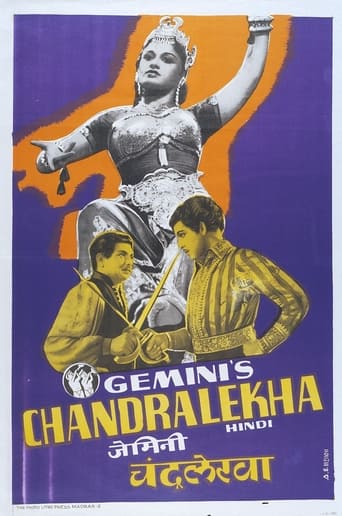
Prominent character actress in Tamil cinema during the golden era of Indian filmmaking in the 1940s and 1950s. She gained significant recognition for her powerful supporting roles, particularly in the landmark film Chandralekha (1948), which was expensive Indian films ever made at that time. Her performance in Avvaiyyar (1953) showcased her ability to portray complex characters with emotional depth and authenticity. Sundari Bai worked primarily with Gemini Studios, production houses in South Indian cinema. Though her filmography was relatively brief, spanning from 1948 to 1953, her contributions were significant in shaping the narrative structure of classic Tamil cinema. She was particularly known for her maternal roles and her ability to convey traditional values through her performances. Her work coincided with the transition from studio system to more independent filmmaking in India.
The Craft
On Screen
Classical Indian theatrical style with emphasis on emotional authenticity and traditional values, particularly excelling in maternal and supporting character roles
Milestones
- Landmark performance in Chandralekha (1948)
- Critical acclaim for Avvaiyyar (1953)
- Association with Gemini Studios
- Contributions to golden age of Tamil cinema
Best Known For
Iconic Roles
Must-See Films
Accolades
Special Recognition
- Recognized as part of Tamil cinema's golden era performers
Working Relationships
Worked Often With
Studios
Why They Matter
Impact on Culture
M. S. Sundari Bai contributed to the golden age of Tamil cinema during a pivotal period when Indian cinema was establishing its unique identity. Her work in Chandralekha helped create. Through her performances, she helped preserve and promote traditional Tamil cultural values on screen during a time of significant social and cultural change in post-independence India. Her character roles provided essential narrative depth and emotional resonance to the grand spectacles of the era.
Lasting Legacy
Though her filmography was brief, M. S. Sundari Bai's work in landmark films like Chandralekha ensures her place in the history of Indian cinema. She represents the generation of character actresses who provided the emotional foundation for the grand narratives of Tamil cinema's golden age. Her performances continue to be studied by film scholars interested in the development of Indian cinematic acting traditions and the role of women in classic Indian cinema.
Who They Inspired
As a character actress during the formative years of Tamil cinema, she helped establish the importance of strong supporting performances in Indian films. Her work influenced subsequent generations of character actresses in South Indian cinema who understood the critical role of supporting characters in creating emotionally resonant narratives.
Off Screen
Limited information available about personal life, as was common for character actresses of her era who maintained privacy off-screen
Did You Know?
- Chandralekha (1948) took five years to complete and was the most expensive Indian film made at that time
- The film was originally made in Hindi and Tamil simultaneously
- M. S. Sundari Bai worked during the peak of the studio system in Indian cinema
- Her active years covered the crucial period of Indian independence and the formation of modern Indian cinema
- Avvaiyyar (1953) was a biographical film about the legendary Tamil poet-saint
- Gemini Studios, where she primarily worked, was
- Character actresses of her era often came from theatre backgrounds
- Her career was relatively brief but highly impactful during a crucial period of Indian cinema history
Frequently Asked Questions
Who was M. S. Sundari Bai?
Tamil cinema actress active during the late 1940s and early 1950s, best known for her supporting roles in landmark films like Chandralekha (1948) and Avvaiyyar (1953). She worked primarily with Gemini Studios during the golden age of Tamil cinema.
What films is M. S. Sundari Bai best known for?
Titles linked here include Chandralekha (1948), Avvaiyyar (1953).
When was M. S. Sundari Bai active in cinema?
M. S. Sundari Bai was active in cinema from 1948 to 1953, working during a pivotal period in Indian film history that coincided with the country's independence and the establishment of modern Indian cinema.
What was M. S. Sundari Bai's acting style?
She employed a classical Indian theatrical style with emphasis on emotional authenticity and traditional values, excelling particularly in maternal and supporting character roles that provided emotional depth to the grand narratives of her films.
What was M. S. Sundari Bai's connection to Gemini Studios?
She was primarily affiliated with Gemini Studios,. The studio was known for producing high-quality, technically sophisticated films.
How did M. S. Sundari Bai contribute to Tamil cinema?
She contributed to Tamil cinema's golden age by providing strong supporting performances that enhanced the emotional impact of landmark films. Her work helped establish the importance of character actors in creating culturally resonant Indian cinema.