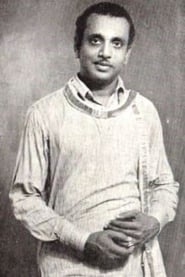
M. K. Radha
Actor
Born: 1910 in Trivandrum (now Thiruvananthapuram), Kerala, India Died: August 17, 1979 Active: 1936-1967 Birth Name: Muthukumara Radhakrishnan Nair
Films
4 films
About M. K. Radha
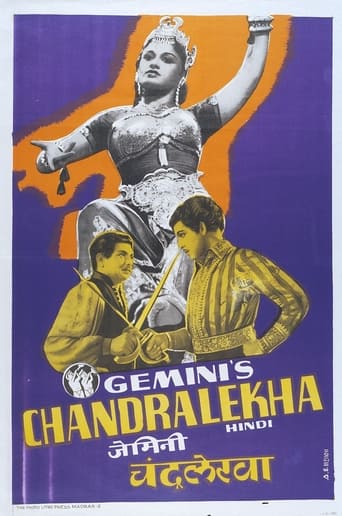
M. K. Radha was one of the actors of Tamil cinema who rose to prominence during the golden era of Indian filmmaking. Born Muthukumara Radhakrishnan Nair, he began his career in the film industry during the transition from silent films to talkies. His breakthrough came with the monumental film Chandralekha (1948), which became Indian films of all time and established him as a leading actor. Throughout the late 1940s and 1950s, he starred in numerous successful films including Avvaiyyar (1953), Vanangaamudi (1957), and Karpukarasi (1957), showcasing his versatility across different genres. Radha was known for his powerful screen presence and ability to portray both heroic and complex characters with equal conviction. His nearly three decades, during which he worked with some of the most respected directors and actors of his time. Beyond acting, he also ventured into film production, contributing to the growth of Tamil cinema.
The Craft
On Screen
M. K. Radha was known for his commanding screen presence and dramatic acting style typical of the golden era of Indian cinema. His performances were characterized by theatrical intensity, powerful dialogue delivery, and expressive body language. He had a distinctive baritone voice that added gravitas to his characters, and he excelled in portraying heroic and noble characters with moral authority. His acting approach was influenced by stage traditions, incorporating grand gestures and emotional depth that resonated with audiences of his time.
Milestones
- Breakthrough role in Chandralekha (1948)
- Starred in the epic historical drama Avvaiyyar (1953)
- Successful transition from silent films to talkies
- Established himself as a leading hero in Tamil cinema
- Ventured into film production in later years
Best Known For
Iconic Roles
Must-See Films
Accolades
Won
- Kalaimamani award from Tamil Nadu government
Nominated
- Film recognition for Best Actor in various regional awards
Special Recognition
- Recognized as one of the actors of Tamil cinema
- Honored in retrospectives of classic Tamil films
Working Relationships
Worked Often With
Studios
Why They Matter
Impact on Culture
M. K. Radha played a significant role in shaping the golden age of Tamil cinema, particularly through his work in Chandralekha, which became a cultural phenomenon and set new standards for Indian filmmaking. His portrayal of heroic characters helped establish archetypes that would influence Tamil cinema for decades. The success of his films contributed to the growth of the Tamil film industry and its emergence as a major cultural force in South India. His performances in historical and mythological films helped preserve and popularize traditional stories and values among contemporary audiences.
Lasting Legacy
M. K. Radha's legacy endures through his contributions to classic Tamil cinema and the film dynasty he established. His work in Chandralekha continues to be studied as a milestone in Indian film history. The acting techniques and screen presence he developed influenced generations of Tamil actors. His family, particularly his son Radha Ravi, continues to be active in the Tamil film industry, carrying forward his artistic heritage. Film historians and cinema enthusiasts regard him as one of the foundational figures of Tamil cinema's golden era.
Who They Inspired
M. K. Radha influenced the development of the heroic protagonist archetype in Tamil cinema, setting standards for screen presence and dramatic performance. His success demonstrated the commercial viability of big-budget productions in regional cinema. His acting style, blending theatrical tradition with cinematic techniques, provided a model for actors transitioning from stage to film. Many leading actors of subsequent generations, including M. G. Ramachandran and Sivaji Ganesan, were influenced by his approach to character portrayal and screen charisma.
Off Screen
M. K. Radha was married to Rajalakshmi and had several children who followed in his footsteps in the film industry. His family became one of the prominent film families in Tamil cinema. He maintained a reputation for professionalism and dedication to his craft throughout his career. Despite his stardom, he was known for his humble nature and willingness to mentor younger actors in the industry.
Education
Limited formal education, trained in traditional arts and drama
Family
- Rajalakshmi
Did You Know?
- Chandralekha (1948) was the most expensive Indian film made at that time, costing over ₹3 million
- He was originally a stage actor before entering films
- His real name was Muthukumara Radhakrishnan Nair, but he shortened it for his film career
- Despite being born in Kerala, he became a superstar of Tamil cinema
- He worked in both silent films and talkies, successfully making the transition
- Chandralekha was also released in Hindi and English versions, though he appeared only in the Tamil version
- He was known for performing his own stunts in action sequences
- His family home in Chennai became a gathering place for film industry personalities
- He was one of the highest-paid actors of his era in Tamil cinema
- His performance in Chandralekha was particularly praised for its sword-fighting sequences
In Their Own Words
The screen is not just a platform for entertainment, but a canvas for cultural expression
Every role I play must leave an impression on the audience's heart
Cinema is the most powerful medium to preserve our traditions for future generations
Success in films comes not just from talent, but from dedication to the craft
Frequently Asked Questions
Who was M. K. Radha?
with credits in this catalog. Born as Muthukumara Radhakrishnan Nair, he became one of the leading actors of his time and helped establish many conventions of Tamil cinema.
What films is M. K. Radha best known for?
Titles linked here include Chandralekha (1948), Avvaiyyar (1953).
When was M. K. Radha born and when did he die?
Born 1910; died August 17, 1979.
What awards did M. K. Radha win?
M. K. Radha received the Kalaimamani award from the Tamil Nadu government in recognition of his contributions to cinema. While formal award systems were limited during his active years, he was widely recognized as.
What was M. K. Radha's acting style?
M. K. Radha's acting style was characterized by dramatic intensity, commanding screen presence, and theatrical techniques influenced by stage traditions. He was known for his powerful dialogue delivery, expressive body language, and ability to portray heroic characters with moral authority and emotional depth.