
Films
1 film
About Aswathamma
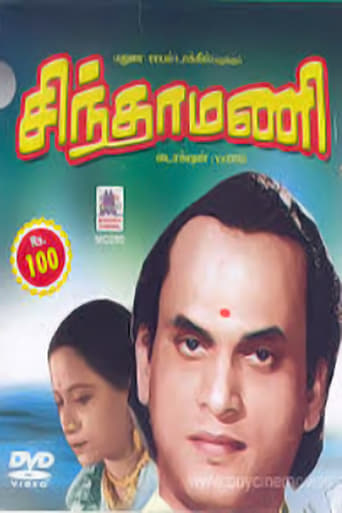
Indian actress who worked in the early era of Telugu cinema, making her mark during the transition from silent films to talkies. Her entire known filmography consists of a single but highly significant appearance in the 1937 film 'Chintamani'. This film, directed by P. Pullaiah, was a landmark production in South Indian cinema and one of the earliest major successes for the Telugu film industry. Aswathamma played a supporting role in this mythological social drama, which was based on a popular stage play by the Surabhi Nataka Samajam. Her performance, though brief, contributed to a film that set new standards for production values and storytelling in regional Indian cinema. Unfortunately, like many actors from this foundational period of Indian film, detailed records of her life and career are scarce, with 'Chintamani' remaining the sole documented credit to her name. She represents the countless artists who helped establish the cinematic traditions in India but whose personal stories have been lost to time.
The Craft
On Screen
While specific details of Aswathamma's acting style are not documented, actors in early Indian talkies like 'Chintamani' often employed a theatrical style influenced by stage traditions. Performances were typically expressive and dramatic to convey emotion clearly in early sound recording environments. The film itself was adapted from a stage play, suggesting the acting likely retained the heightened dramatic qualities popular in theatrical productions of the era.
Milestones
- Appeared in the landmark 1937 film 'Chintamani', which was a major commercial and critical success in early Telugu cinema
Best Known For
Must-See Films
Working Relationships
Worked Often With
Studios
Why They Matter
Impact on Culture
Aswathamma's cultural impact is intrinsically linked to her participation in 'Chintamani', a film that became a cultural phenomenon in Andhra Pradesh. The film's success demonstrated the commercial viability of Telugu cinema and helped establish it as a significant cultural force. By being part of this production, Aswathamma contributed to the foundation upon which the massive Telugu film industry would later be built. Her work represents the collaborative efforts of early filmmakers who were creating a new art form that would eventually become one of India's most important cultural exports.
Lasting Legacy
Aswathamma's legacy is that of a pioneer from the dawn of Telugu cinema. While her name may not be widely recognized today, her contribution to 'Chintamani' places her among the foundational figures of South Indian film history. She represents the countless early actors whose work helped establish cinematic traditions in regional India, often without receiving recognition for their contributions. Her story highlights the need for better documentation of early cinema history and the preservation of the names and works of these artists.
Who They Inspired
Due to the limited documentation of her career and the brevity of her known filmography, Aswathamma's direct influence on subsequent generations of actors cannot be specifically traced. However, as a participant in. The success of 'Chintamani' influenced countless filmmakers and actors who followed, proving that regional language films could achieve both artistic and commercial success.
Off Screen
Very little is known about Aswathamma's personal life, which is common for actors from the earliest days of regional Indian cinema. Detailed biographical information was rarely preserved for supporting actors of this period. She was active during a time when cinema was still establishing itself as a respectable profession in India, and many artists came from theatrical backgrounds. Her legacy exists only through her documented work in 'Chintamani'.
Did You Know?
- 'Chintamani' (1937) was one of the earliest blockbuster hits in Telugu cinema history, running for over 100 days in theaters.
- The film was based on a popular stage play by the Surabhi Nataka Samajam, a renowned theater troupe.
- 'Chintamani' was instrumental in making actor V. Nagayya a major star in Telugu cinema.
- The film's success helped establish Vel Pictures as an important production company in early Telugu cinema.
- Like many films of this era, 'Chintamani' dealt with social themes within a mythological framework.
- The film's music was highly popular and contributed significantly to its success.
- Aswathamma is one of the many early Indian actresses whose complete filmography may never be known due to poor record-keeping.
- The 1930s was a crucial decade for the development of sound cinema in South India.
- Early talkie actors often had to have strong singing voices as playback technology was not yet widely used.
- 'Chintamani' was remade in 1956 with N.T. Rama Rao, demonstrating the enduring popularity of the story.
Frequently Asked Questions
Who was Aswathamma?
Indian actress from the early era of Telugu cinema, known for her appearance in the 1937 film 'Chintamani'. She was an actor who worked during the foundational years of South Indian cinema, though her career appears to have been brief with only this one documented film credit.
What film is Aswathamma best known for?
Aswathamma is exclusively known for her role in the 1937 Telugu film 'Chintamani', which was a landmark production and one of the earliest major successes in Telugu cinema history. This film is her only documented screen appearance.
When was Aswathamma active in films?
Based on available records, Aswathamma was active in 1937, the year 'Chintamani' was released. This places her among the actors who worked during the transition from silent films to talkies in Indian cinema.
What was the significance of 'Chintamani'?
'Chintamani' was a groundbreaking film in Telugu cinema that became a major commercial success, running for over 100 days in theaters. It was based on a popular stage play and helped establish the commercial viability of the Telugu film industry, setting new standards for production values.
Why is so little known about Aswathamma?
Like many actors from the earliest days of regional Indian cinema, comprehensive records about Aswathamma's life and career were not preserved. This was common for supporting actors of the period, as the film industry was still developing its documentation practices and cultural institutions.