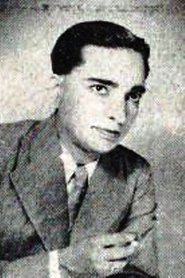
Y. V. Rao
Actor & Director
Born: May 30, 1903 in Narsapur, Andhra Pradesh, India Died: February 13, 1973 Active: 1930-1970 Birth Name: Yaragudipati Varada Rao
Films
1 film
About Y. V. Rao
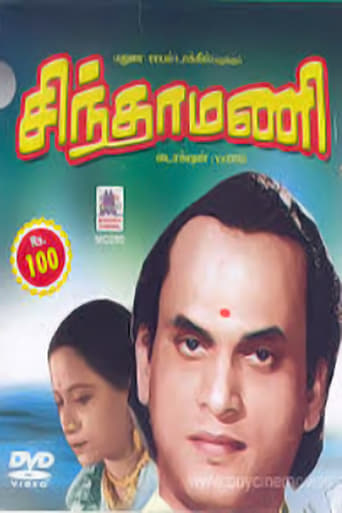
Yaragudipati Varada Rao, commonly known as Y.V. Rao, was a figure in early Indian cinema who made significant contributions as an actor, director, and producer during the formative years of South Indian film industry. Born in 1903 in Narsapur, Andhra Pradesh, Rao began his career in the silent film era before transitioning to talkies, where he truly made his mark. His 1937 directorial masterpiece 'Chintamani' was a film that became a massive commercial success and established him as one of the leading filmmakers of his time. Throughout his career spanning over three decades, Rao directed more than 50 films in Telugu, Tamil, and Hindi languages, working with many of the era's biggest stars. He was known for his innovative storytelling techniques and his ability to adapt literary works for the screen. Rao's influence extended beyond directing, as he also acted in numerous films, often playing lead roles that showcased his versatile acting abilities. His contributions to Indian cinema were recognized with several awards and honors, cementing his legacy as one of the foundational figures of South Indian cinema.
The Craft
On Screen
Known for his naturalistic approach in an era of theatrical acting, Rao brought subtlety and emotional depth to his performances, often portraying complex characters with psychological nuance that was ahead of its time in Indian cinema.
Behind the Camera
Rao's directing style was characterized by innovative camera techniques, strong narrative focus, and a keen eye for visual storytelling. He was particularly adept at adapting literary works and mythology for the screen while maintaining their cultural essence.
Milestones
- Directed the blockbuster 'Chintamani' (1937)
- Pioneered early Telugu and Tamil cinema
- Directed over 50 films across multiple languages
- Successfully transitioned from silent films to talkies
- Mentored many future film industry leaders
Best Known For
Iconic Roles
Must-See Films
Accolades
Won
- Padma Shri (1970)
- Andhra Pradesh State Award for Best Director (multiple times)
- Kalaimamani Award from Tamil Nadu Government
Nominated
- Filmfare Award for Best Director (South) - multiple nominations
Special Recognition
- Honored with a postage stamp by Indian Postal Service
- Y.V. Rao Award established in his memory
- Multiple film festivals have retrospectives of his work
Working Relationships
Worked Often With
Studios
Why They Matter
Impact on Culture
Y.V. Rao played a crucial role in establishing the foundations of South Indian cinema, particularly in Telugu and Tamil film industries. His film 'Chintamani' ran for over 200 days in theaters, a rare achievement at the time, and demonstrated the commercial viability of regional language films. He was instrumental in adapting classical literature and mythology for the screen, helping preserve and popularize cultural heritage through cinema. Rao's work bridged traditional Indian storytelling with modern cinematic techniques, influencing generations of filmmakers. His films often addressed social issues while entertaining audiences, setting a precedent for meaningful cinema in India.
Lasting Legacy
Y.V. Rao's legacy endures through his vast body of work and the many filmmakers he influenced. He is remembered as a visionary who helped shape Indian cinema during its formative years. Many of his films are considered classics and are still studied in film schools. The techniques he pioneered in camera work and storytelling continue to influence contemporary Indian cinema. Several awards and institutions have been established in his honor, ensuring that future generations remember his contributions. His ability to work across different languages and cultures made him a true pioneer of pan-Indian cinema.
Who They Inspired
Rao influenced numerous filmmakers who followed, particularly in the South Indian film industry. His approach to adapting literature for film became a template for future directors. Many of his assistants and protégés went on to become major figures in Indian cinema. His emphasis on combining entertainment with social messages influenced the parallel cinema movement in India. The technical innovations he introduced, particularly in mythological films, set new standards for production quality in regional cinema.
Off Screen
Y.V. Rao was married twice during his lifetime. His first marriage was to Rajeswari, with whom he had children. After her death, he married actress Lakshmirajyam, who was his frequent collaborator in many films. He was known as a family man who balanced his demanding film career with his personal responsibilities. Rao was also deeply interested in literature and music, which influenced his filmmaking choices. He maintained close relationships with many figures in the Indian independence movement and occasionally used his films to promote social messages.
Education
Educated in Narsapur and later in Madras (now Chennai), where he developed his interest in performing arts and literature
Family
- Rajeswari (until her death)
- Lakshmirajyam (1940s-1973)
Did You Know?
- 'Chintamani' (1937) was the first Indian film to run for over 200 days in theaters
- Rao could speak multiple languages fluently, which helped him direct films in Telugu, Tamil, and Hindi
- He started his career as a stage actor before moving to films
- Rao was one of the first Indian directors to use sync sound technology effectively
- He often composed music for his films in addition to directing and acting
- Rao's films were known for their strong female characters, unusual for the era
- He mentored many technicians who later became industry leaders
- Rao was instrumental in establishing Vauhini Studios, one of the earliest film studios in South India
- He was a close friend of India's first Prime Minister Jawaharlal Nehru
- Rao's film 'Malli Pelli' was based on a controversial social issue at the time
In Their Own Words
Cinema is not just entertainment; it's a mirror to society and a tool for change
Every film should have a soul that connects with the common man
In adapting literature for screen, we must respect the original while embracing the new medium
The camera is not just a recording device; it's an artist's brush
Mythological stories are not just tales; they are our cultural DNA
Frequently Asked Questions
Who was Y.V. Rao?
Y.V. Rao (Yaragudipati Varada Rao) was an Indian filmmaker who worked as an actor, director, and producer during the early decades of Indian cinema. He was particularly influential in establishing the South Indian film industry and directed over 50 films across multiple languages.
What films is Y.V. Rao best known for?
Titles linked here include Chintamani (1937), Malli Pelli (1939).
When was Y.V. Rao born and when did he die?
Born May 30, 1903; died February 13, 1973.
What awards did Y.V. Rao win?
Y.V. Rao received the Padma Shri in 1970, India's fourth-highest civilian award. He also won multiple Andhra Pradesh State Awards for Best Direction and the Kalaimamani Award from the Tamil Nadu government for his contributions to cinema.
What was Y.V. Rao's directing style?
Y.V. Rao's directing style was characterized by innovative camera techniques, strong narrative focus, and visual storytelling excellence. He was particularly skilled at adapting literary works and mythology for the screen while preserving their cultural essence and emotional depth.