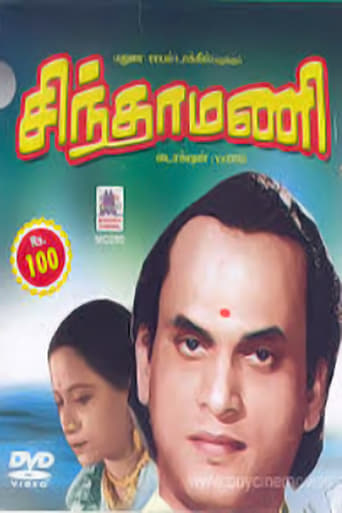
Films
2 films

About S. S. Rajamani
Actor in the early era of Tamil cinema during the late 1930s, appearing during the crucial transition period from silent films to talkies in South Indian cinema. He gained recognition for his roles in landmark films that helped establish the Tamil film industry. His most notable work was in 'Chintamani' (1937), which became successful and influential early Tamil talkies, running for over a year in theaters. Rajamani continued his acting career with 'Thiruneelakantar' (1939), another significant film of the period that showcased the growing sophistication of Tamil cinema. Though his career was relatively brief, spanning primarily from 1937 to 1939, he contributed to the foundation of what would become one of India's most prolific film industries. His work during this formative period helped establish acting conventions and storytelling techniques that would influence generations of Tamil cinema performers.
The Craft
Milestones
- Appeared in the groundbreaking film 'Chintamani' (1937)
- Acted in 'Thiruneelakantar' (1939)
- Contributed to early Tamil talkies cinema
- Part of the foundational era of South Indian film industry
Best Known For
Iconic Roles
Must-See Films
Why They Matter
Impact on Culture
S. S. Rajamani, though not a major star, was part of the foundational generation of Tamil cinema actors who helped establish the industry during its crucial early talkies period. His participation in 'Chintamani' (1937) placed him in. The film's success demonstrated the viability of Tamil-language cinema and paved the way for the industry's exponential growth in subsequent decades. Actors like Rajamani were instrumental in creating the theatrical traditions and acting styles that would define Tamil cinema for generations.
Lasting Legacy
S. S. Rajamani's legacy lies in his contribution to the establishment of Tamil cinema during its formative years. While not widely remembered by name today, his work in films like 'Chintamani' helped create the foundation upon which the massive Tamil film industry was built. These early films and their actors set precedents for performance styles, narrative structures, and production values that would influence South Indian cinema for decades. The preservation of these early films shows the contributions of actors like Rajamani who were part of cinema's golden age of experimentation and innovation.
Who They Inspired
As an early actor in Tamil cinema, S. S. Rajamani was part of the generation that influenced subsequent performers by establishing early acting conventions for Tamil films. The success of films he appeared in helped create templates for character roles and supporting performances that would be refined by later generations of actors.
Off Screen
Very limited information is available about the personal life of S. S. Rajamani, which was common for many supporting actors of early Indian cinema whose personal details were not extensively documented.
Did You Know?
- Appeared in 'Chintamani' (1937), one of the earliest major successes in Tamil cinema
- The film 'Chintamani' ran for over a year in theaters, a remarkable achievement for its time
- His active years covered the crucial early years of Tamil talkies cinema
- Worked during a period when Tamil cinema was establishing its unique identity
- Participated in films that helped standardize the Tamil film industry format
- Acted during an era when many film performers came from theatrical backgrounds
- His filmography represents the transition from silent films to synchronized sound in South Indian cinema
Frequently Asked Questions
Who was S. S. Rajamani?
Early Tamil cinema with credits in this catalog.
What films is S. S. Rajamani best known for?
Titles linked here include Chintamani (1937), Thiruneelakantar (1939).
When was S. S. Rajamani active in cinema?
S. S. Rajamani was primarily active as an actor from 1937 to 1939, during the crucial early years of Tamil talkies cinema when the industry was establishing its foundations.
What was the significance of the films S. S. Rajamani appeared in?
His films, particularly 'Chintamani' (1937), were works in Tamil cinema that helped establish the industry's commercial viability and artistic conventions, influencing decades of subsequent Tamil filmmaking.
What was Tamil cinema like during S. S. Rajamani's era?
During the late 1930s when Rajamani worked, Tamil cinema was in its early talkies phase, transitioning from silent films and establishing the storytelling techniques, performance styles, and production values that would define the industry.