
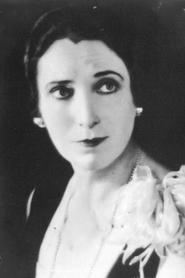
Aileen Manning
Actor
Born: December 24, 1897 in St. Louis, Missouri, USA Died: July 9, 1946 Active: 1922-1929 Birth Name: Aileen Frances Manning
Films
2 films
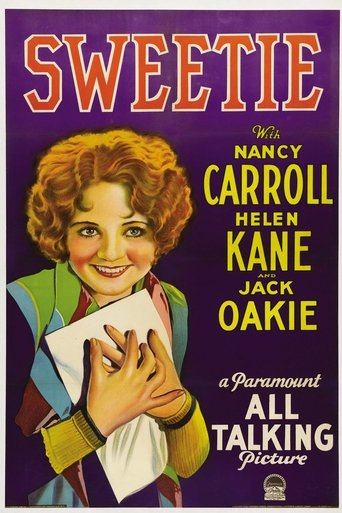
About Aileen Manning
Silent film actress who graced the silver screen during the transitional period from the roaring twenties into the early sound era. Her career, though relatively brief, spanned from 1922 to 1929, capturing the final golden years of silent cinema. Manning appeared in supporting roles that showcased her versatility as an actress during a time when the film industry was undergoing massive technological and artistic changes. Her most notable performances came in films like 'Beauty's Worth' (1922), where she demonstrated the expressive acting style essential for silent film performance. As the industry transitioned to talkies, Manning adapted to the new medium, appearing in early sound films including 'Sweetie' (1929). While her career was cut short as the studio system evolved, her work represents the contributions of countless talented actresses who helped shape early American cinema. Manning's performances, though not extensively documented, reflect the artistry and dedication required during cinema's formative years.
The Craft
On Screen
Aileen Manning employed the dramatic, expressive style typical of silent film actors, using exaggerated facial expressions and body language to convey emotion without dialogue. Her performances demonstrated the technical skill required for silent cinema, where actors had to communicate complex emotions through physical expression alone. As she transitioned to talkies, Manning adapted her style to the new medium, incorporating vocal performance while maintaining the visual storytelling techniques she had mastered during the silent era.
Milestones
- Film debut in 'Beauty's Worth' (1922)
- Transition from silent to sound films
- Role in 'Sweetie' (1929) during early talkie era
- Supporting actress in major studio productions
Best Known For
Iconic Roles
Must-See Films
Working Relationships
Worked Often With
Studios
Why They Matter
Impact on Culture
Aileen Manning's career represents the countless supporting actresses who were essential to the success of early Hollywood films. Her work during the transition from silent to sound cinema exemplifies the adaptability required of actors during this revolutionary period in film history. While not a major star, Manning's contributions to films like 'Beauty's Worth' helped create the American cinema during its formative years. Her ability to transition between mediums demonstrated the professionalism and skill of actors from this era, many of whom successfully adapted their craft to new technologies and audience expectations.
Lasting Legacy
Aileen Manning's legacy lies in her representation of the working actors who formed the backbone of Hollywood's golden age. Her filmography, though brief, spans. Manning's performances in both silent and early sound films document the evolution of acting techniques and filmmaking practices during the 1920s. As the wife of director William C. McGann, she was also connected to the creative development of early Hollywood, contributing to the artistic community that shaped American cinema. Her work serves as a reminder of the many talented performers who helped establish the foundations of modern film acting.
Who They Inspired
While Aileen Manning did not achieve major star status, her career influenced the development of supporting character acting in early cinema. Her successful transition from silent films to talkies provided a model for other actors facing the technological challenges of the late 1920s. Manning's work demonstrated the importance of versatility in film acting, a lesson that continues to resonate with performers today. Her contributions to films during this pivotal period helped establish the standards for supporting performances that would become essential to Hollywood's success in subsequent decades.
Off Screen
Aileen Manning was born in St. Louis, Missouri, and later moved to California to pursue her acting career during the golden age of Hollywood. She married William C. McGann, a film director and cinematographer, which placed her within the creative circles of early Hollywood. Manning's life reflected the experiences of many character actresses of her era - talented performers who contributed significantly to cinema's development while often remaining out of the spotlight. Her career coincided with major technological changes in filmmaking, and she successfully navigated the transition from silent films to talkies. Manning passed away in Los Angeles at the age of 48, leaving behind a legacy of performances from cinema's transformative period.
Family
- William C. McGann (1925-1946)
Did You Know?
- Born on Christmas Eve in 1897
- Married to film director William C. McGann
- Her active years covered exactly the period when silent films transitioned to talkies
- Worked with major stars like Marion Davies
- Appeared in films for both Paramount and Fox studios
- Her film career lasted only 7 years but covered a transformative period in cinema
- Died relatively young at age 48
- Part of the Hollywood community during the establishment of the studio system
- Her filmography represents the typical career arc of character actresses of the era
Frequently Asked Questions
Who was Aileen Manning?
American actress who worked during the silent film era and early sound period, active from 1922 to 1929. She appeared in supporting roles in films like 'Beauty's Worth' (1922) and 'Sweetie' (1929), representing the many talented character actresses who contributed to early Hollywood cinema.
What films is Aileen Manning best known for?
Titles linked here include Beauty's Worth (1922), Sweetie (1929).
When was Aileen Manning born and when did she die?
Born December 24, 1897; died July 9, 1946.
What awards did Aileen Manning win?
There are no recorded major awards or nominations for Aileen Manning, which was typical for many supporting actresses of her era. Her contributions to cinema were primarily through her performances rather than formal recognition, reflecting the reality for many character actors during the studio system's early years.
What was Aileen Manning's acting style?
Aileen Manning employed the expressive, dramatic style characteristic of silent film actors, using facial expressions and body language to convey emotion without dialogue. As she transitioned to talkies, she adapted her techniques to include vocal performance while maintaining the visual storytelling skills essential during cinema's early years.