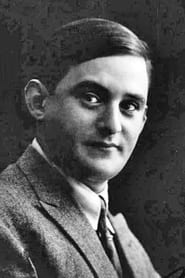
Zygmunt Turkow
Director
- Active
- 1924-1924
Films directed 1
About Zygmunt Turkow
Zygmunt Turkow was a Polish-Jewish stage and screen director, actor, and important figure in Yiddish theatrical culture, best remembered in film history for directing the silent feature Tkies khaf (1924). He was closely associated with the flowering of Yiddish-language performance in the early 20th century, when Jewish artists in Poland and beyond were building a modern theater tradition that combined popular entertainment with literary ambition. Turkow's screen work is sparse in surviving filmographies, but his name is preserved because Tkies khaf is one of the notable early Yiddish silent films and an important artifact of Jewish cultural life in interwar Eastern Europe. Beyond cinema, he was far more prominent on the stage than on film, and his career reflects the movement of many Yiddish theater artists between acting, directing, producing, and cultural advocacy. His work belonged to a generation that tried to give Jewish audiences films and stage works in their own language at a time when both commercial and political pressures made such productions difficult. Because documentation on his film career is limited, he is remembered today primarily through archival references, theatrical history, and the cultural significance of the productions he helped create. Turkow stands as a representative of the international Yiddish artistic world that flourished briefly before being devastated by war and persecution.
More about Zygmunt Turkow
Behind the camera
Turkow's directing style is not extensively documented in surviving sources, but his known film Tkies khaf suggests an approach rooted in literary and theatrical adaptation, with an emphasis on cultural specificity and the dramatic traditions of Yiddish performance. As a director working in silent cinema, he would have needed to translate dialogue-driven stage material into visual storytelling through composition, gesture, and intertitles. His place in Yiddish film history indicates a likely concern with preserving communal identity, moral conflict, and emotionally resonant storytelling for Jewish audiences.
In film history
Zygmunt Turkow's importance lies less in a large surviving filmography than in what his work represents: the attempt to build a serious Yiddish-language screen culture in Europe during the silent era. Tkies khaf belongs to a small but culturally significant body of Yiddish films that documented Jewish life, adapted religious or literary subjects, and gave audiences culturally specific stories at a time when mainstream cinema rarely did so. As a result, Turkow is part of the historical record of Jewish modernity in film, where theater artists carried vernacular traditions into a new medium. His contribution helps illustrate how cinema served not only commercial entertainment but also cultural preservation, identity formation, and community memory. For contemporary scholars of silent cinema, Turkow's work is valuable because it connects the history of film with the broader history of Yiddish theater and Eastern European Jewish culture. Even where prints or detailed production records may be scarce, the existence of his credit underscores the diversity of early international cinema beyond Hollywood and Western Europe. His legacy is thus entwined with archival recovery, diaspora studies, and the appreciation of minority-language film traditions. In this sense, Turkow remains an important, if specialized, name in classic cinema history.
Later reputation
Turkow's lasting legacy is as a witness to and participant in the short but vibrant era of Yiddish silent filmmaking. He is remembered by historians because Tkies khaf survives in filmographies and references as evidence that Jewish artists were creating cinema in their own language and on their own cultural terms long before such work became a major topic in film studies. His name helps preserve the history of a cinematic tradition that was disrupted and largely destroyed by the catastrophes of the 20th century. Even if he is not widely known to general audiences, he remains significant to scholars of early Jewish cinema, Polish film history, and silent-era cultural production. Turkow's legacy also lies in the broader understanding of how theater practitioners shaped early cinema. Many early directors came from the stage, and his work exemplifies how theatrical expertise influenced silent film aesthetics, performance, and adaptation. In modern film history, he stands as part of a recovered lineage of artists whose reputations are sustained through archival scholarship rather than mass-market fame. That makes him especially important for database and reference work, where preserving even sparse records can restore visibility to overlooked contributors.
Influence
Turkow's influence is best understood indirectly, through the Yiddish theatrical and cinematic circles to which he belonged. He contributed to a model of culturally rooted filmmaking that influenced later scholars, archivists, and artists interested in Jewish-language media and minority cinema. His work also reflects the stage-to-screen transfer of performance practices that shaped silent-era acting and directing across Europe. While specific direct protégés are not well documented, his participation in Yiddish film helped establish a precedent for culturally distinct storytelling within cinema.
Off screen
Reliable public information about Zygmunt Turkow's personal life is limited in the standard film-reference sources available for early Yiddish cinema. He is generally discussed in connection with theatrical and cultural work rather than as a celebrity whose private life was widely chronicled. Because of the scarcity of verified biographical records in accessible sources, details about marriages, family, and domestic life are not consistently documented here.
Education
No verified educational background is readily available in standard film-reference sources. Like many Yiddish theater figures of his era, his training was likely rooted in practical stage experience rather than formal film schooling, but this cannot be stated with certainty.
Credits
- Directed the silent Yiddish feature Tkies khaf (1924), his best-documented screen credit
- Participated in the development of Yiddish-language theatrical and cinematic culture in interwar Poland
- Worked within a broader artistic milieu that sought to adapt Jewish literary and stage traditions for modern audiences
- Represented the bridge between Yiddish theater and early Jewish cinema in Eastern Europe
Films
- Tkies khaf (1924)
Collaborators
- Yiddish stage and screen artists active in interwar Poland
- Creative personnel associated with Yiddish-language productions
Studios
- Yiddish theater and film production circles in interwar Poland
Notes
- He is chiefly remembered today for one film credit, Tkies khaf (1924), which makes him a rarity even among silent-era directors.
- Turkow was part of the Yiddish cultural world, an important but often underrepresented branch of early European cinema history.
- His career highlights how many silent-era filmmakers moved fluidly between stage and screen.
- Because early Yiddish film documentation is incomplete, many details of his life are preserved only in specialized reference works and archival records.
- His work is of interest not only to film historians but also to scholars of Jewish studies, theater history, and Eastern European cultural history.
- The film title Tkies khaf refers to a traditional Jewish concept or promise, signaling the production's rootedness in Jewish cultural themes.
- Turkow's filmography is a reminder that some early cinema careers were highly localized and culturally specific rather than international and studio-based.
Questions
Who was Zygmunt Turkow?
Zygmunt Turkow was a Polish-Jewish theater artist and film director associated with early Yiddish-language cultural production. He is best known in film history for directing the silent feature Tkies khaf (1924).
What films is Zygmunt Turkow best known for?
He is primarily known for Tkies khaf (1924), his most clearly documented screen credit. His reputation comes more from the cultural importance of that Yiddish silent film than from a large surviving filmography.
When was Zygmunt Turkow born and when did he die?
Verified birth and death dates are not readily available in the standard accessible film-reference sources for this figure. That lack of data is common for many early Yiddish theater and film personnel whose records are incomplete.
What awards did Zygmunt Turkow win?
No verified awards or nominations are readily documented for Zygmunt Turkow in the sources available for this record. His significance is historical and cultural rather than award-based.
What was Zygmunt Turkow's directing style?
His directing style is not extensively described in surviving mainstream references, but it likely drew on theatrical adaptation, expressive silent storytelling, and Yiddish cultural themes. As a director of a silent-era Yiddish film, he would have relied on visual clarity, emotional emphasis, and stage-derived dramatic structure.
Why is Zygmunt Turkow important in film history?
Turkow is important because he represents the Yiddish silent film tradition, a significant but often overlooked part of early cinema. His work helps document how Jewish artists used film to preserve language, culture, and community identity in interwar Europe.
What was Zygmunt Turkow's legacy?
His legacy lies in his role as part of the early Yiddish film movement and the broader history of Jewish theater in Europe. He remains a useful and meaningful figure for historians studying silent cinema, minority-language filmmaking, and lost or understudied film cultures.