Films
1 film
About Eduardo Notari
Figure in early Italian cinema, born in 1888 in Naples, Italy. He emerged as a significant actor and director during the silent film era, becoming an integral part of the Neapolitan film movement alongside his wife Elvira Notari, who was one of cinema's earliest female directors. Notari began his career in the early 1910s, appearing in numerous short films and features that captured the essence of Neapolitan life and culture. His naturalistic acting style and authentic portrayal of working-class characters helped establish a distinct regional cinema that contrasted with the more formal productions of northern Italy. Throughout the 1910s and 1920s, he appeared in dozens of films, often directed by his wife, showcasing the everyday struggles and joys of Neapolitan society. As the Italian film industry faced challenges in the late 1920s, Notari's career transitioned along with the changing times, though he remained active in cinema for several decades. His contributions to Italian cinema, particularly in preserving Neapolitan culture on film, have earned him recognition as an important figure in film history, even though much of his work has been lost to time.
The Craft
On Screen
Naturalistic and authentic, specializing in portraying working-class Neapolitan characters with genuine emotion and regional specificity. His performances were grounded in realism, avoiding the theatrical exaggeration common in early cinema, instead focusing on subtle gestures and expressions that captured the essence of everyday Neapolitan life.
Milestones
- work in Neapolitan cinema during the silent era
- Collaboration with wife Elvira Notari on numerous films
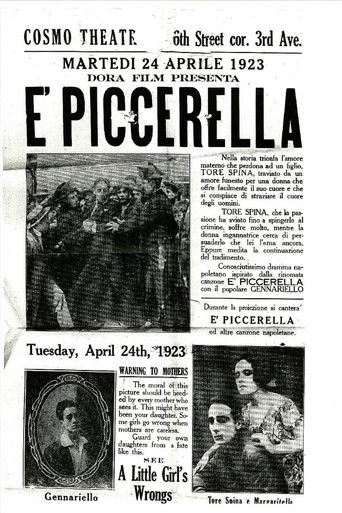
- Establishment of Dora Film production company
- Portrayal of authentic Neapolitan characters and culture
- Contribution to regional Italian cinema movement
Best Known For
Iconic Roles
Must-See Films
Accolades
Special Recognition
- Recognition as pioneer of Neapolitan cinema
- Posthumous acknowledgment in Italian film history retrospectives
Working Relationships
Worked Often With
Studios
Why They Matter
Impact on Culture
Eduardo Notari played a crucial role in establishing and preserving Neapolitan culture through cinema during a period when regional identities were often overlooked in national film production. His authentic portrayals of Neapolitan life, working in collaboration with his wife Elvira, created a cinematic record of the city's customs, dialect, and social conditions that might otherwise have been lost. The films he appeared in helped legitimize regional cinema in Italy and demonstrated the commercial viability of locally-produced content that spoke directly to specific audiences. His work contributed to the broader movement of social realism in Italian cinema and influenced later generations of filmmakers interested in depicting authentic Italian life.
Lasting Legacy
Eduardo Notari's legacy lies in his contribution to the foundation of regional Italian cinema and his role in preserving Neapolitan culture on film. Though many of his films have been lost, surviving works demonstrate the importance of his naturalistic acting style and his commitment to authentic storytelling. The Notari family's collective work, including Eduardo's performances, has been the subject of renewed scholarly interest in recent decades, with film historians recognizing their significance in early cinema history. His collaboration with Elvira Notari represents one of cinema's earliest and most successful creative partnerships between spouses.
Who They Inspired
Notari's naturalistic acting style influenced subsequent generations of Italian actors, particularly those working in the neorealist tradition of the 1940s and 1950s. His commitment to authentic regional representation paved the way for later Italian filmmakers who explored local stories and dialects. The success of the Notari family's regional approach demonstrated that cinema could thrive outside major production centers, influencing the development of regional film industries throughout Italy.
Off Screen
Eduardo Notari was married to Elvira Notari, one of cinema's earliest and most prolific female directors. Their partnership was both personal and professional, with Eduardo frequently acting in films directed by Elvira. Together they had a son, Eduardo Notari Jr., who also became involved in the film industry. The Notari family's home in Naples became a hub for Neapolitan cinema production, with their company Dora Film creating hundreds of short films and features that captured the spirit of the region.
Family
- Elvira Notari (married 1902-1963)
Did You Know?
- Part of the Notari family that created over 300 films in Naples
- His wife Elvira Notari is considered one of the first female film directors in history
- The family's production company, Dora Film, was
- Many of the films he appeared in have been lost due to the deterioration of nitrate film stock
- His son Eduardo Notari Jr. Continued the family tradition in cinema
- The Notari films were particularly popular with Italian immigrant communities in America
- Their films often featured original Neapolitan songs, contributing to the preservation of regional music
- The family's work was largely forgotten until feminist film historians rediscovered Elvira Notari's contributions in the 1970s
- Their films provided some of the earliest visual documentation of Neapolitan life and customs
- The Notari home in Naples doubled as their film studio and production facilities
Frequently Asked Questions
Who was Eduardo Notari?
Italian with credits in this catalog. He worked extensively with his wife, director Elvira Notari, in creating films that authentically portrayed Neapolitan life and culture.
What films is Eduardo Notari best known for?
Titles linked here include 'A Legge (The Law) (1918), 'E Pullecella (The Little Chick) (1919).
When was Eduardo Notari born and when did he die?
Born 1888; died 1963.
What awards did Eduardo Notari win?
During his active period in early cinema, formal award systems were not yet established. His recognition comes primarily from his posthumous acknowledgment as a pioneer of Neapolitan cinema and his role in preserving regional Italian culture through film.
What was Eduardo Notari's acting style?
Notari was known for his naturalistic and authentic acting style, avoiding theatrical exaggeration common in early cinema. He specialized in portraying working-class Neapolitan characters with genuine emotion and regional specificity.
How did Eduardo Notari contribute to Italian cinema?
Notari helped establish and legitimize regional Italian cinema through his work in Neapolitan films. His authentic portrayals of local life and culture demonstrated the commercial viability of regionally-specific content and influenced later Italian film movements.
What was the relationship between Eduardo Notari and Elvira Notari?
Eduardo was married to Elvira Notari, one of cinema's earliest female directors. They had both a personal and professional partnership, with Eduardo frequently acting in films directed by Elvira through their family production company Dora Film.