
The Little Girl's Wrong
"Jewels, duel, and regret"
Keys: Space play/pause · ←/→ 10s · F fullscreen · M mute · </> speed
About this film
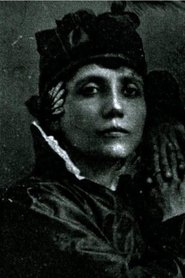
Margaretella's suitors duel after stolen jewels and a fatal confrontation in an Italian silent. In order to conquer Margaretella with expensive presents, a young man called Tore steals his mother's jewels but Margaretella seems to prefer Carluccio who challenges Tore to a duel and wounds him. Forgiven by his mother just before she dies, Tore takes revenge by killing Margare.
Cast & crew
More Drama films
View all →






More about this film
About the production
Release date1922
Box officeUnknown - records from this period are incomplete
ProductionDora Film
Filmed inNaples, Italy
This film was produced by Dora Film, the company founded by Elvira Notari and her husband Nicola Notari. The production was characteristic of Notari's work, featuring authentic Neapolitan locations and non-professional local actors to capture the genuine atmosphere of working-class Naples. The film was shot on location rather than in studios, which was unusual for the period but became a hallmark of Notari's realistic approach to filmmaking.
Themes
Themes & topics
Historical background
1922 placed The Little Girl's Wrong within Italy cinema as Dora Film navigated wartime markets, immigration audiences, and the shift from intertitles to sound.
Why this film matters
Archivists revisit The Little Girl's Wrong (1922) for Elvira Notari style, genre norms at Dora Film, and the exhibition context of Approximately 60-70 minutes (typical length for Notari's features) programming.
Making of
The production of 'The Little Girl's Wrong' exemplified Elvira Notari's distinctive filmmaking approach, which prioritized authenticity and emotional truth over studio polish. Notari and her husband Nicola operated Dora Film as a family enterprise, with Elvira directing and writing while Nicola handled cinematography. Their son Eduardo frequently starred in their productions, creating a collaborative atmosphere that was rare in the commercial film industry. The film was shot on location in Naples's working-class neighborhoods, allowing Notari to capture the genuine texture of Neapolitan life. Local residents often appeared as extras, contributing to the film's documentary-like quality. Notari was known for her hands-on approach to directing, working closely with actors to achieve naturalistic performances that contrasted with the exaggerated acting style common in silent cinema. The production faced challenges from Italian censors who often objected to Notari's frank depiction of social issues and moral ambiguity.
What critics said
Retrospective writing on The Little Girl's Wrong stresses craft by Elvira Notari, print survival, and repertory value rather than opening-week gross alone.
Did you know?
- Elvira Notari was especially prolific female directors of the silent era, making over 60 feature films, yet most of her work has been lost or destroyed.
- The film was part of Notari's popular series of melodramas set in Naples that were particularly beloved by Italian immigrant communities in America.
- Notari's films were often banned or censored by Italian authorities for their realistic depiction of working-class life and controversial themes.
- The lead actor Eduardo Notari was Elvira Notari's son, who frequently starred in her productions.
- Dora Film, the production company, was unusual for being run by a woman during a time when female directors were extremely rare.
- The film's title in Italian may have been 'Ammuricata 'e Napule' (Murdered in Naples), though documentation is scarce due to the film's lost status.
- Notari's films were known for their authentic Neapolitan dialect, which made them popular with local audiences but difficult to distribute nationally.
- The film was likely shot on 35mm film, standard for the period, with intertitles in Italian.
- Notari often incorporated real Neapolitan songs and music into her films, creating a unique audiovisual experience.
- The duel scene would have been choreographed with careful attention to period accuracy, as Notari was known for her meticulous attention to detail.
Visual style
The cinematography, likely handled by Nicola Notari, would have been characteristic of the Dora Film style, emphasizing natural lighting and authentic locations over studio artifice. The film probably employed static camera positions typical of early 1920s cinema, but with careful attention to composition and framing to capture the texture of Neapolitan street life. Location shooting in Naples's narrow streets and working-class neighborhoods would have presented technical challenges but also opportunities for visual authenticity. The visual style likely incorporated elements of Neapolitan popular art and theatrical traditions, creating a distinctive aesthetic that differed from the more polished look of contemporary Italian historical epics. Close-ups would have been used strategically to emphasize emotional moments, particularly in the dramatic confrontations between characters.
Innovations
While not technologically innovative in terms of camera or editing techniques, the film represented an achievement in its authentic approach to location shooting and its use of non-professional actors to create realistic performances. Notari's decision to film on location in Naples rather than in studios was technically challenging but resulted in a level of authenticity that was rare for the period. The film likely used standard 35mm film equipment of the era, but Notari's skill in using this technology to capture genuine human emotion and everyday life was notable. The production's ability to create compelling drama with limited resources demonstrated Notari's resourcefulness and technical competence as a filmmaker.
Music
As a silent film, 'The Little Girl's Wrong' would have been accompanied by live musical performance during theatrical screenings. Given Notari's practice of incorporating authentic Neapolitan culture into her films, the musical accompaniment likely included traditional Neapolitan songs and folk melodies. Theaters showing the film might have employed small orchestras or at minimum a pianist who would play appropriate music to enhance the emotional impact of key scenes. Neapolitan songs were an integral part of Notari's cinematic vision, and she often used popular music of the region to create an authentic atmosphere. The soundtrack would have changed the emotional tone of scenes, with romantic music for love scenes, dramatic music for confrontations, and mournful music for tragic moments.
Memorable scenes
- The dramatic duel between Tore and Carluccio, which would have been choreographed to emphasize the tension and fatal consequences of their rivalry
- The deathbed scene where Tore's mother forgives him, representing a moment of emotional catharsis and moral complexity
- The murder of Margaretella, which would have been staged to convey both the brutality of the act and Tore's psychological torment
- The final prison scenes showing Tore's obsessive thoughts about his victim, creating a haunting conclusion to the tragic narrative
What audiences thought
The film was reportedly very popular with its intended audience, particularly working-class Neapolitans who recognized their own lives and struggles reflected on screen. Notari's films developed a cult following in Naples, where she was celebrated as a filmmaker who truly understood and respected local culture. The film also found enthusiastic audiences among Italian immigrants in America, where it was shown in neighborhood theaters and became part of the cultural fabric of Italian-American communities. Audience members reportedly responded emotionally to the dramatic storylines and authentic settings, often returning to see Notari's films multiple times. The film's themes of love, betrayal, and revenge resonated strongly with viewers who appreciated the moral complexity and emotional depth of Notari's storytelling.
Film connections
Influenced by
- Neapolitan folk theater
- Italian melodrama tradition
- Popular literature of Southern Italy
- Catholic moral narratives
- Verismo opera traditions
This film influenced
- Later Italian neorealist films through their focus on working-class life
- Regional Italian cinema that emphasized local authenticity
- Melodramatic traditions in Italian popular cinema
Film restoration
Like the vast majority of Elvira Notari's films, 'The Little Girl's Wrong' is believed to be lost or exists only in fragments. Of the more than 60 feature films Notari directed, only a handful survive in complete form. The film's preservation status reflects the broader tragedy of lost cinema from the silent era, particularly films by women directors and regional filmmakers whose work was not considered valuable for preservation by contemporary archives. Some fragments or still photographs may exist in private collections or film archives, but no complete copy of the film is known to survive. The loss of this and other Notari films represents a significant gap in film history, particularly regarding early women's contributions to cinema and the representation of regional Italian culture on screen.
Where to watch
- Unfortunately, this film is not available for viewing as it is believed to be lost. Film enthusiasts interested in Elvira Notari's work may be able to find surviving fragments or stills in specialized film archives such as the Cineteca Nazionale in Rome or through academic institutions specializing in early cinema. Some documentary films about Notari's career may include clips or images from her lost works. The Museum of Modern Art and other major film archives may have materials related to Notari's filmography in their collections.