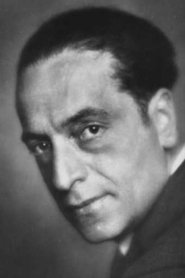
Karl Grune
Director
Born: January 22, 1885 in Vienna, Austria-Hungary (now Austria) Died: October 2, 1962 Active: 1920-1950s
Films
3 films
About Karl Grune
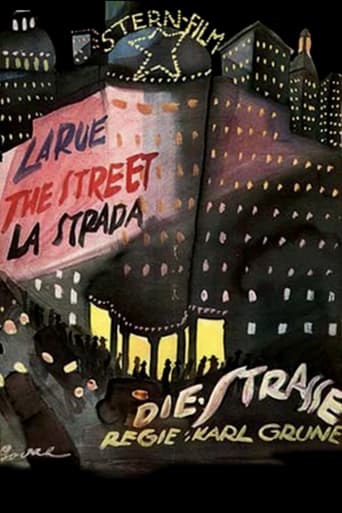
Karl Grune (1885-1962) was a prominent German film director during the silent era, best known for his expressionist-influenced films. He began his career as an actor and screenwriter before transitioning to directing in the early 1920s. His most acclaimed work, 'The Street' (Die Straße, 1923), is considered a masterpiece of German expressionist cinema and was highly influential in its psychological depth and visual innovation. Grune continued directing through the 1920s, creating films that often explored urban alienation and psychological themes. With the rise of the Nazi regime in Germany, Grune, who was Jewish, emigrated first to France and then to England, where he continued working in the film industry. His later career was marked by difficulty in achieving the same level of artistic success he had enjoyed in Germany. Despite his relatively brief period of major creative output, Grune's work, particularly 'The Street,' remains significant in the history of silent cinema and German expressionism.
The Craft
Behind the Camera
Grune's directing style was heavily influenced by German Expressionism, characterized by dramatic lighting, distorted sets, and psychological depth. He often explored themes of urban alienation, moral ambiguity, and the darker aspects of human nature. His films frequently used subjective camera techniques to convey the psychological states of his characters. Grune was particularly skilled at creating atmospheric tension and visual metaphors that enhanced the emotional impact of his narratives. His approach to storytelling emphasized mood and symbolism over straightforward narrative progression.
Milestones
- Directed The Street (1923), a masterpiece of German expressionism
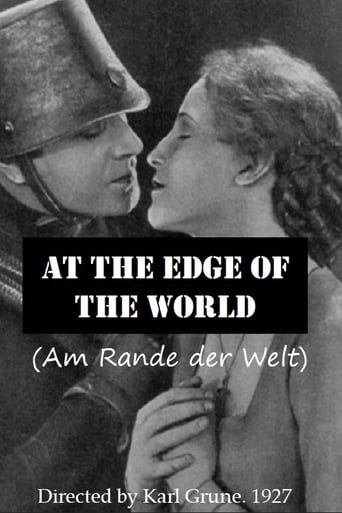
- Directed At the Edge of the World (1927)
- Pioneered psychological thriller elements in silent cinema
- Emigrated due to Nazi persecution
- Continued filmmaking in exile
Best Known For
Must-See Films
Accolades
Won
- Critical acclaim for The Street (1923)
- Recognition at international film festivals for his contribution to cinema
- Posthumous recognition as a significant figure in German Expressionist cinema
Nominated
- Considered for various German film honors during the 1920s
- His works were frequently cited in critical publications
Special Recognition
- Recognized as a significant figure in German Expressionist cinema
- The Street is frequently studied in film history courses
- His work is preserved and screened at international film archives
Working Relationships
Worked Often With
Studios
Why They Matter
Impact on Culture
Karl Grune's work, particularly 'The Street,' had a significant impact on the development of psychological thriller and film noir genres. His innovative use of visual techniques to convey psychological states influenced filmmakers across Europe and eventually Hollywood. The film's exploration of urban alienation and moral ambiguity resonated with audiences and critics alike, establishing Grune excelled in psychological cinema. His work contributed to the golden age of German cinema in the 1920s and helped establish many cinematic techniques that would become standard in later decades.
Lasting Legacy
Karl Grune's legacy lies primarily in his contribution to German Expressionist cinema and his work in psychological filmmaking. 'The Street' remains his most enduring work and is frequently cited as a masterpiece of silent cinema. Despite being less remembered than some of his contemporaries like Fritz Lang or F.W. Murnau, Grune's films continue to be studied by film scholars and screened at classic film festivals. His story also represents the tragedy of many Jewish artists whose careers were disrupted by the rise of Nazism in Europe.
Who They Inspired
Grune's visual style and psychological approach to storytelling influenced subsequent generations of filmmakers, particularly in the development of film noir. His techniques for creating atmosphere and tension through lighting and set design were adopted and adapted by directors across Europe and America. The way he explored the darker aspects of human psychology paved the way for more complex character studies in cinema.
Off Screen
Karl Grune was born into a Jewish family in Vienna and later became a German citizen. He married and had children, though specific details about his family remain private. His life was dramatically affected by the rise of Nazism, forcing him into exile. He spent his final years in England, continuing to work in the film industry despite the challenges of displacement. His personal story reflects the broader tragedy of European Jewish artists whose careers were disrupted by political persecution.
Education
Family
- Married (specific name and dates not documented in available sources)
Did You Know?
- The Street was considered lost for many years before being rediscovered and restored
- Grune was forced to flee Germany after the Nazis came to power due to his Jewish heritage
- His films often featured themes of urban alienation and psychological turmoil
- The Street was one of the first films to use subjective camera techniques extensively
- Grune worked as an actor and screenwriter before becoming a director
- His film The Street was banned in some countries for its controversial themes
- Grune's later films made in exile were less successful than his German works
- He was part of the remarkable wave of German directors who revolutionized cinema in the 1920s
In Their Own Words
The street is not merely a setting, but a character in itself, reflecting the souls who walk upon it
In the darkness of the cinema, we find the light of truth
Frequently Asked Questions
Who was Karl Grune?
Austrian-German on YTB.my. He was a significant figure in 1920s German cinema, particularly acclaimed for his masterpiece 'The Street' (1923), which exemplified his psychological approach to filmmaking and visual storytelling.
What films is Karl Grune best known for?
Titles linked here include The Street (Die Straße, 1923), At the Edge of the World (Am Rande der Welt, 1927).
When was Karl Grune born and when did he die?
Born January 22, 1885; died October 2, 1962.
What was Karl Grune's directing style?
Grune's directing style was heavily influenced by German Expressionism, characterized by dramatic lighting, distorted sets, and psychological depth. He often explored themes of urban alienation and moral ambiguity, using subjective camera techniques to convey characters' psychological states. His approach emphasized mood and symbolism over straightforward narrative.
How did Karl Grune influence cinema?
Grune's work, particularly 'The Street,' influenced the development of psychological thriller and film noir genres. His innovative visual techniques for conveying psychological states were adopted by filmmakers across Europe and America. His exploration of urban themes and psychological complexity paved the way for more sophisticated character studies in cinema.
What happened to Karl Grune during the Nazi era?
As a Jewish filmmaker, Karl Grune faced persecution under the Nazi regime and was forced to flee Germany. He emigrated first to France and then to England, where he continued working in the film industry but never achieved the same level of artistic success he had enjoyed during his German period. His career disruption represents the tragedy of many Jewish artists displaced by Nazism.
Why is 'The Street' considered significant?
'The Street' (1923) is considered significant for its use of psychological storytelling and visual expressionism. The film was one of the first to extensively use subjective camera techniques to represent characters' inner states. Its exploration of urban alienation and moral ambiguity influenced subsequent generations of filmmakers and contributed to the development of film noir.