Films
2 films
About Sam Dalton
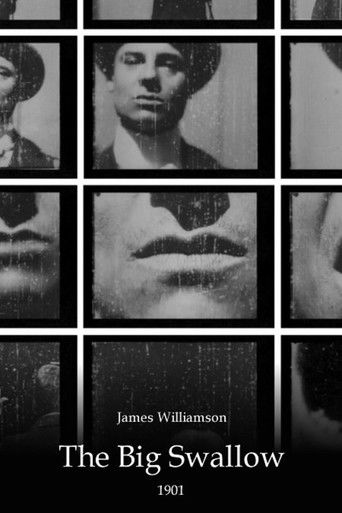
Actor in the earliest days of British cinema, active during the transitional period when film was evolving from novelty to narrative art form. His entire known film career was concentrated in the year 1901, where he appeared in at least two significant short films produced by the British Mutoscope and Biograph Company. In 'Stop Thief!', Dalton demonstrated the physical comedy style that would become a staple of silent film, playing a character caught in a chaotic chase sequence. His work in 'The Big Swallow' showcased an even more innovative approach to cinema, as this film featured a special effect where the protagonist seemingly swallows the camera and cinematographer. These films, though brief, were technically ambitious for their time and required actors who could perform with broad, clear gestures suitable for the medium. Dalton's performances, while typical of the exaggerated style required for early film audiences, helped establish visual storytelling techniques that would influence generations of comedians. Unfortunately, like many performers from this nascent era of filmmaking, detailed records of his life and broader career are scarce, making him somewhat of an enigmatic figure in film history whose contributions are primarily preserved through these surviving cinematic artifacts.
The Craft
On Screen
Sam Dalton's acting style was characteristic of the early 1900s, featuring broad physical gestures and exaggerated facial expressions necessary to convey emotion and action clearly to audiences of silent films. His performances relied heavily on slapstick elements and physical comedy, as dialogue was impossible and intertitles were not yet standardized. In 'Stop Thief!', his movements were likely large and dramatic to ensure the chase sequence's comedic intent was understood by all viewers. His ability to interact with the camera in 'The Big Swallow' suggests he possessed a certain awareness of the film medium itself, performing in a way that acknowledged the camera's presence in a meta-narrative fashion.
Milestones
- Starred in 'Stop Thief!' (1901), an early British chase comedy film
- Appeared in 'The Big Swallow' (1901), famous for its innovative special effect
- Worked with the British Mutoscope and Biograph Company during cinema's infancy
- Participated in films that showcased early special effects and comedic techniques
Best Known For
Iconic Roles
Must-See Films
Working Relationships
Worked Often With
Studios
Why They Matter
Impact on Culture
Sam Dalton's cultural impact lies not in personal fame but in his participation in films that represent crucial milestones in cinematic history. 'The Big Swallow,' in which he starred, is frequently cited by film scholars as an early example of self-reflexive cinema, where the film acknowledges its own artifice. This innovative approach to storytelling and special effects in 1901 demonstrated the creative possibilities of the medium beyond simple recordings of stage plays. His work in these films helped pave the way for the development of cinematic language, particularly in the comedy genre and in the use of visual effects. While Dalton himself remained obscure, his performances are preserved in films that are studied by film historians and students as prime examples of early British filmmaking ingenuity.
Lasting Legacy
Sam Dalton's legacy is intrinsically tied to the preservation of his two surviving films, which serve as important historical artifacts from cinema's infancy. 'The Big Swallow' remains. His work represents the type of anonymous but essential contributions made by countless early film pioneers whose names have been forgotten but whose artistic output helped shape the future of cinema. These films are often included in retrospectives and compilations of early cinema, cementing Dalton's place, however small, in the historical canon of film. His legacy is that of a representative figure of the anonymous actors who brought the first moving pictures to life.
Who They Inspired
As an actor from the absolute dawn of narrative cinema, Sam Dalton's direct influence on subsequent performers is difficult to trace, but his work in these early films contributed to the development of cinematic acting conventions. The broad physical comedy style he employed in 'Stop Thief!' would become a hallmark of silent film comedians for the next two decades, influencing stars like Charlie Chaplin and Buster Keaton who refined and perfected the art form. His participation in 'The Big Swallow' demonstrated an early form of breaking the fourth wall, a technique that would be used by countless actors and directors throughout film history. While he did not mentor or directly influence anyone known to history, his performances are part of the foundational vocabulary of film acting that all later performers would build upon.
Off Screen
Very little is known about Sam Dalton's personal life, as detailed records for actors from the very early film era, particularly in Britain, are often incomplete or nonexistent. The lack of biographical information is typical for performers who worked in cinema before it became a prestigious and well-documented industry. His brief filmography suggests he may have been a theatrical actor who dabbled in the new medium of film, or perhaps someone specifically hired by the British Mutoscope and Biograph Company for these particular productions. Without surviving personal records, interviews, or industry documentation from the period, details about his family, relationships, or life outside his two known film appearances remain lost to history.
Did You Know?
- Sam Dalton's entire known film career consists of only two films, both made in 1901
- His film 'The Big Swallow' is famous for its special effect where the character appears to swallow the camera
- The films he appeared in were produced by the British Mutoscope and Biograph Company, a pioneer in early filmmaking
- Like many actors from this period, almost no personal biographical information about him has survived
- His work represents some of the earliest examples of narrative filmmaking in Britain
- 'The Big Swallow' is only 44 seconds long but is considered a landmark of early cinema
- The film survives today and is frequently shown in film history classes and retrospectives
- His acting style was typical of the era, relying on broad physical gestures rather than subtle expressions
Frequently Asked Questions
Who was Sam Dalton?
British He worked with the British Mutoscope and Biograph Company and is remembered today primarily for his role in these historically significant films that showcased early special effects and comedic techniques.
What films is Sam Dalton best known for?
Titles linked here include The Big Swallow (1901), Stop Thief! (1901).
When was Sam Dalton born and when did he die?
Unfortunately, the birth and death dates of Sam Dalton are unknown, as detailed biographical records for many actors from the silent era's earliest years were not preserved. He is identified only through his film work in 1901, and his personal life remains a mystery to film historians.
What awards did Sam Dalton win?
Sam Dalton did not receive any formal awards or recognition during his lifetime, as the film industry's award system, including the Academy Awards, was not established until decades after his brief career. His legacy is based solely on the historical significance of his surviving films.
What was Sam Dalton's acting style?
Sam Dalton's acting style was typical of the early 1900s, characterized by broad physical gestures and exaggerated expressions necessary for silent film audiences. His work relied heavily on slapstick and physical comedy, as seen in 'Stop Thief!', and he demonstrated an awareness of the camera in the meta-narrative approach of 'The Big Swallow'.