Films
2 films
About Frank Newburg
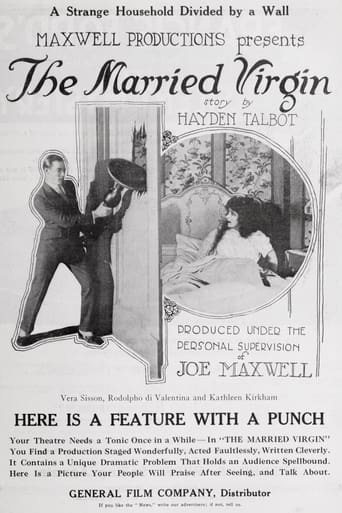
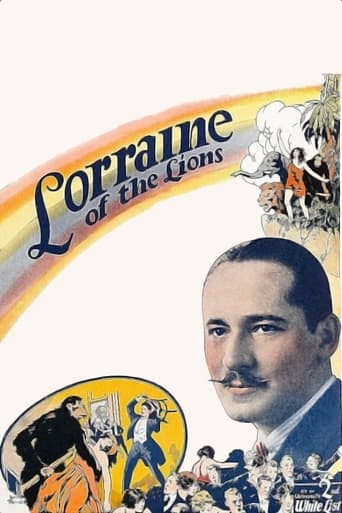
American actor who worked during the silent film era, primarily in the late 1910s and early 1920s. His known filmography includes appearances in 'The Married Virgin' (1918) and 'Lorraine of the Lions' (1925), suggesting a career that spanned approximately seven years in the burgeoning Hollywood industry. Like many actors of his era, Newburg appears to have worked primarily in supporting roles rather than as a leading star, which was common for character actors who specialized in particular types of roles. The gap between his known film appearances suggests he may have had other uncredited roles or worked in theater between film assignments. His career coincided with the transitional period when silent cinema was reaching its artistic peak before the advent of sound technology would dramatically change the industry. Unfortunately, like many supporting actors from the silent era, detailed records of his complete filmography and personal life have been lost to time, making him representative of the countless performers who contributed to early cinema but whose stories remain largely untold.
The Craft
Milestones
- Appeared in 'The Married Virgin' (1918)
- Appeared in 'Lorraine of the Lions' (1925)
Best Known For
Must-See Films
Why They Matter
Impact on Culture
Frank Newburg represents the countless supporting actors who formed the backbone of silent cinema but whose contributions have been largely forgotten by time. While he may not have achieved star status, actors like Newburg were essential to the film industry's development, providing the depth and texture needed to tell compelling stories on screen. His appearances in films during the late 1910s and early 1920s place him during a crucial period in American cinema history when the art form was evolving from simple novelties into sophisticated narrative entertainment. The fact that only two of his films are definitively known today speaks to the tragic loss of film history, as an estimated 90% of silent films have been lost or destroyed, taking with them the work of performers like Newburg.
Lasting Legacy
Frank Newburg's legacy is primarily that of a representative example of the working actors who populated silent films but never achieved lasting fame. While his name may not be recognized today, he contributed to the films of his era and helped establish the foundation upon which later cinema would be built. His story highlights the importance of film preservation and the need to document the contributions of all film industry participants, not just the stars. The silent era was built on the efforts of thousands of actors like Newburg, and while their individual stories may be lost, their collective contribution to cinema history remains significant.
Who They Inspired
As a supporting actor from the silent era, Frank Newburg's direct influence on later performers is difficult to trace, but he was part of the generation that established many of the acting techniques and conventions that would be refined by subsequent actors. The work of character actors like Newburg helped demonstrate the importance of ensemble casting and the value of strong supporting performances in creating memorable films.
Off Screen
Very little information is available about Frank Newburg's personal life, which is not uncommon for supporting actors from the silent era whose biographical details were often not preserved in historical records.
Did You Know?
- Frank Newburg's active years covered the period when silent cinema was reaching its artistic peak
- Only two of his films are definitively known to exist in film databases
- Like many silent era actors, his complete filmography may never be known due to lost films and incomplete records
- His seven-year active years covered a crucial transitional period in Hollywood history
- The gap between his known films (1918-1925) suggests he may have had other uncredited roles or worked in other entertainment mediums
- He represents the estimated thousands of silent era actors whose biographical details have been lost to time
- His known films were produced during the era when Hollywood was establishing itself as the center of American film production
Frequently Asked Questions
Who was Frank Newburg?
American with credits in this catalog. He was primarily a supporting actor whose active years covered approximately seven years during a crucial period in early Hollywood history.
What films is Frank Newburg best known for?
Titles linked here include The Married Virgin (1918), Lorraine of the Lions (1925).
When was Frank Newburg born and when did he die?
Unfortunately, Frank Newburg's birth and death dates are not known, which is common for many supporting actors from the silent era whose biographical details were not preserved in historical records.
What awards did Frank Newburg win?
There are no records of Frank Newburg receiving any major awards or nominations, which was typical for supporting actors of his era during the early days of cinema when formal award systems were still being established.
What was Frank Newburg's acting style?
Specific details about Frank Newburg's acting style are not documented in available sources. As a silent era actor, he would have used the exaggerated gestures and facial expressions typical of the period to convey emotion and story without dialogue.
Why is so little known about Frank Newburg?
The limited information about Frank Newburg is representative of many silent era supporting actors whose stories have been lost due to incomplete record-keeping, film loss (an estimated 90% of silent films are lost), and the historical focus on major stars rather than character actors.