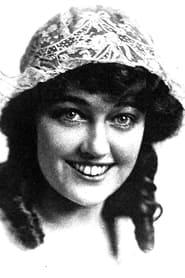
Betty Brown
Actor
- Active
- 1914-1914
Films 1
About Betty Brown
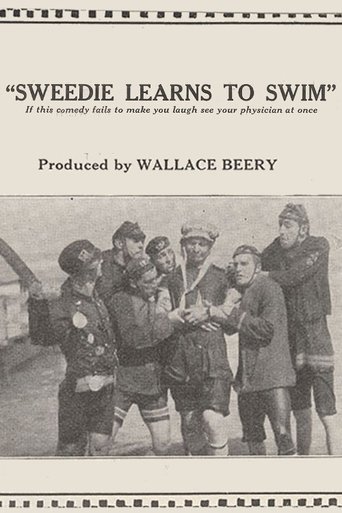
Betty Brown appears in surviving film records as a very early silent-era screen performer, credited in the 1914 short comedy Sweedie Learns to Swim. Beyond that credit, reliable biographical information about her life, birth, and death has not been firmly established in widely accessible historical sources, which is not unusual for minor or supporting players from the American silent period. Her known screen work places her within the bustling world of one-reel comedies and studio-produced shorts that formed a major part of early cinema exhibition. Because the surviving record is so sparse, it is difficult to distinguish her career from other performers with the same or similar names, and no secure evidence currently confirms a longer filmography. She remains part of the large group of early film workers whose contributions were real but are only faintly documented in trade papers, studio lists, and cast credits. Her presence in a film associated with the Sweedie comedy series indicates involvement in the popular comic traditions that helped define early American screen humor. As with many silent-era supporting performers, her historical importance lies less in celebrity than in representing the many working actors who populated the foundational years of motion pictures.
More about Betty Brown
In film history
Betty Brown's cultural impact is best understood as representative rather than individually famous: she is one of the many performers who helped populate the silent-era short-comedy ecosystem that gave early audiences regular, easily accessible entertainment. Her known appearance in Sweedie Learns to Swim places her within a comedic tradition that relied on brisk pacing, broad visual humor, and theatrical physicality to communicate across diverse audiences and exhibition settings. Even when a performer leaves only a thin documentary trail, that credit still contributes to our understanding of how early film companies built their casts and how women participated in the rapidly growing motion-picture industry. In that sense, her career helps illustrate the labor base of early Hollywood before studio-era star systems fully stabilized.
Later reputation
Her lasting legacy is archival rather than star-driven: Betty Brown survives in the historical record as a credited performer from the silent era, preserving evidence of the many supporting actors whose names appear in filmographies but whose biographies were never fully publicized. For film historians, such entries are valuable because they help reconstruct casting patterns, company rosters, and the personnel networks of early studios. Her name also underscores how much of silent-film history remains incomplete, with many participants known only through surviving title cards, trade listings, and later film databases. That fragmentary record itself is part of her legacy, reminding modern audiences that cinema history was built not only by marquee names but by a far larger community of working players.
Influence
There is no documented evidence that Betty Brown exerted a direct influence on later actors or filmmakers in the way major stars did. Her influence is therefore indirect: as part of the working cast structures of early comedy shorts, she contributed to a performance tradition that depended on timing, visual readability, and ensemble interaction. Performers like her helped normalize the presence of women in screen comedy and in the practical craft of silent acting, where expression and movement carried narrative meaning. Her career is useful to historians because it helps map the many anonymous or semi-anonymous contributors who shaped the language of early cinematic performance.
Off screen
No reliably documented personal-life information has been found for this Betty Brown in the standard surviving references for silent-era film performers. Her marital history, family background, and private life are not presently verifiable from the available record. This lack of documentation is common among lesser-known early screen actors, especially those who worked in shorts or in roles that were not heavily publicized. Without stronger archival evidence, any further personal details would be speculative and therefore avoided here.
Credits
- Screen credit in the 1914 silent comedy Sweedie Learns to Swim
- Participation in the early one-reel comedy era of American silent cinema
- Association with the popular Sweedie series, which was part of early studio comic filmmaking
Roles
- Role in Sweedie Learns to Swim (1914)
Films
- Sweedie Learns to Swim (1914)
Notes
- She is currently known in surviving records primarily for a single credited appearance in a 1914 film.
- Her documented work falls squarely within the silent comedy short format that dominated much early exhibition.
- The title Sweedie Learns to Swim suggests she may have been part of a comedy universe built around recurring characters and gags.
- Because the name Betty Brown is common, she can easily be confused with other performers unless the 1914 credit is used as the identifier.
- No secure biographical details such as birth date, birthplace, or death date are consistently documented in accessible references.
- Her surviving credit is an example of how many early film performers remain known only through incomplete archival traces.
- The scarcity of information about her is typical of many minor players from the silent era, especially in short subjects.
Questions
Who was Betty Brown?
Betty Brown was a silent-era film actor known from a surviving credit in the 1914 comedy Sweedie Learns to Swim. The historical record about her is very limited, so she is best understood as one of the many early screen performers whose careers are only partially documented.
What films is Betty Brown best known for?
She is best known for Sweedie Learns to Swim (1914), which is the principal surviving credit associated with her name. No other securely verified film appearances are presently established in the available record.
When was Betty Brown born and when did she die?
Her birth and death dates are not reliably documented in the accessible historical sources currently available. Because the record is sparse and the name is common, those details remain unconfirmed.
What awards did Betty Brown win?
No awards or nominations are known for Betty Brown. Like many minor silent-era performers, she worked before the modern awards culture of Hollywood was fully developed.
What was Betty Brown's acting style?
There is no detailed critical description of her acting style in the surviving record. Given her appearance in an early silent comedy short, her performance would likely have relied on the broad physical expressiveness and visual clarity typical of silent-film acting.
What is Betty Brown's legacy in film history?
Her legacy is mainly historical and archival: she represents the many early film performers whose work helped build silent cinema but whose lives were never fully chronicled. Her credit in an early comedy short preserves her place in the larger story of the silent screen.