1914 · Approximately 10-15 minutes

Also available on: YouTube
Sweedie Learns to Swim

Sweedie Learns to Swim

1914 Approximately 10-15 minutes United States
Determination and comic persistenceThe absurdity of social instruction and etiquettePhysical comedy and bodily mishapGender performance in early screen comedyDomestic space turned chaotic

Plot

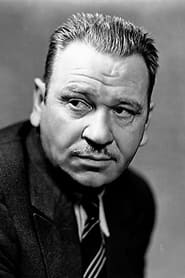
Sweedie, the exuberant comic cook associated with Wallace Beery's cross-dressed screen persona, decides that she wants to learn how to swim. Instead of going to a real pool or shoreline, she enrolls in a comically absurd “dry land” swimming class, where the instruction itself becomes a vehicle for escalating slapstick. Sweedie quickly turns the class into chaos, clashing physically with several of the other students and getting herself ejected from the lesson. Undeterred, she returns home and fills the bathtub with water, improvising her own method of learning to swim in the most ridiculous and intimate setting imaginable. The film plays as a short burst of character-based slapstick, building humor from Sweedie’s determination, physical clumsiness, and the contrast between dignified instruction and anarchic behavior.

About the Production

Release Date 1914
Production Keystone Film Company
Filmed In United States

This is a short Keystone-era comedy from the early silent period, made during the years when the studio specialized in fast-paced slapstick built around broad physical performance, improvisation, and recurring comic types. The film belongs to the Sweedie series, in which Wallace Beery played the title character in drag, a popular comic conceit of the era that depended on exaggerated costume, make-up, and physical business rather than psychological realism. Like many early shorts, it was likely produced quickly on a modest budget with a studio-set approach and minimal location work, emphasizing gags over narrative complexity. Precise budget, box-office, and surviving production paperwork are not generally documented in accessible sources for this title.

Historical Background

The film was released in 1914, a transitional year in world history and in the evolution of cinema. On the eve of World War I, the United States film industry was rapidly expanding, and American slapstick comedies were developing a mass audience through nickelodeons and short-subject programs. Keystone, founded by Mack Sennett, was one of the most influential comedy studios of the era, helping define a brand of frenetic physical humor that shaped film comedy for decades. At the same time, 1914 was a moment when the feature film was beginning to dominate, but short comedies remained central to exhibition and were crucial in building star identities and comedic formats.

Why This Film Matters

Sweedie Learns to Swim is culturally significant as an example of early screen comedy's experimentation with gender performance, recurring characters, and physical farce. Wallace Beery's portrayal of Sweedie reflects a common silent-era device in which cross-dressing was used less for social commentary than for extravagant comic effect, though modern viewers may also read it as revealing the period's flexible attitudes toward performance and gender play in popular entertainment. The film also represents the industrial importance of serial or semi-serial comic characters before features fully displaced shorts. While not among the most famous silent comedies today, it is useful for understanding how studio comedy, character branding, and slapstick routines evolved in the 1910s.

Making Of

Sweedie Learns to Swim was made during Keystone's peak period, when the studio was producing a constant stream of short comedies built around stock situations and elastic characters. The Sweedie character was central to that approach: rather than developing a subtle dramatic role, the films used Wallace Beery's energetic performance, costume, and physical aggression to create a recognizable comic identity. The production would have relied heavily on timing, pratfalls, and ensemble reaction shots, with the humor driven by escalating interruptions rather than elaborate staging. Because early silent shorts were often shot quickly and with limited documentation, many behind-the-scenes specifics have not survived, but the film clearly fits the Keystone model of efficient, gag-driven production.

Visual Style

The film's visual style would have been typical of Keystone shorts: static or lightly adjusted framing, clear staging, and emphasis on readable physical action. Silent slapstick relied on full-body performance, so the camera usually remained positioned to capture the complete comic business without excessive cutting. The dry-land class and bathtub sequence lend themselves to simple but effective visual contrasts between public discipline and private chaos. The cinematography's main job was clarity, ensuring that each gag, collision, and reaction was instantly understandable to the audience.

Innovations

There are no known technical innovations associated with this short beyond the efficient comic staging typical of Keystone production. Its value lies in performance technique and editing rhythm rather than in special effects or camera experimentation. The film demonstrates early silent comedy's ability to turn everyday spaces, such as a classroom or bathtub, into sites of elaborate visual gag construction. In that sense, it is technically notable as an example of precise physical-comedy direction within the constraints of a one-reel format.

Music

As a 1914 silent film, it had no synchronized recorded soundtrack. It would originally have been accompanied by live music in theaters, often improvised by a pianist or small ensemble using stock comic cues, popular tunes, and timing matched to the action on screen. Specific score information for this title is not known. Any modern presentations may use a compiled silent-film accompaniment created for archival screening or home-video release.

Memorable Scenes

  • Sweedie enrolling in the absurd “dry land” swimming class and attempting to treat the nonsense instruction seriously
  • The escalating fight with other members of the class, which turns a simple lesson into a comic brawl
  • Sweedie being thrown out of the class after the chaos reaches its peak
  • The homecoming gag in which she fills the bathtub with water and attempts to teach herself to swim in the most impractical possible way

Did You Know?

  • The film is part of Keystone's Sweedie series, a now-obscure but historically important example of early slapstick franchise filmmaking.
  • Wallace Beery played Sweedie, a female comic character, continuing a practice common in early silent comedy of using cross-dressed performance for broad farce.
  • The title sequence and premise center on a nonsensical “dry land” swimming class, a gag that reflects the era's taste for absurd institutional parody.
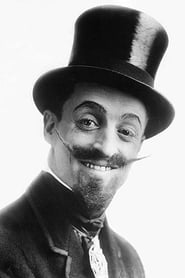
  • Ben Turpin, one of silent comedy's most recognizable sight-gag performers, is associated with the cast, adding to the film's physical-comedy pedigree.
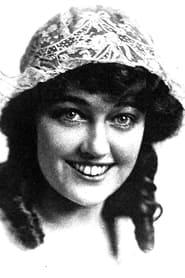
  • Betty Brown appears in the cast, though surviving documentation on many Keystone shorts is sparse and often inconsistent across sources.
  • The film is a short subject rather than a feature, which was the dominant form of comedy production in 1914.
  • Sweedie comedies were designed around a recurring character, helping establish audience familiarity before the feature-length era fully arrived.
  • The bathtub ending is a classic silent-comedy payoff: a domestic interior becomes the site of escalating absurdity.
  • As with many films from the period, surviving prints and access may be limited, making it a title more often discussed through catalog records than through widespread modern exhibition.
  • The film illustrates how early comedies often borrowed from everyday activities like exercise, bathing, and etiquette lessons to create instantly legible humor.

What Critics Said

Contemporary reviews specific to this short are difficult to locate in surviving trade coverage, which is common for many Keystone one-reel comedies. At the time, films in the Sweedie series were generally evaluated as light comic entertainment rather than prestige works, with appeal built on recognizable slapstick energy and a dependable comic premise. Modern critical attention tends to focus less on this title as an isolated work and more on what it reveals about Keystone production methods, Wallace Beery's early career, and the broader history of silent slapstick. Its reputation today is therefore archival and historical rather than based on a large body of formal criticism.

What Audiences Thought

Audience reception in 1914 was likely favorable among viewers who enjoyed broad, fast-moving slapstick comedies and recurring comic characters. The premise is straightforward and visually legible, making it well suited to mixed or international audiences in the silent era. Because the film is short and gag-driven, its success would have depended primarily on immediate laughter and the charisma of the performers rather than on plot complexity. Modern audiences who encounter it typically do so as part of silent-comedy retrospectives, archives, or catalog research rather than mainstream repertory circulation.

Film Connections

Influenced By

  • Music hall and vaudeville physical comedy
  • Early stage farce
  • Nickelodeon-era slapstick shorts
  • The Keystone comedy formula

This Film Influenced

  • The broader tradition of recurring slapstick character comedies
  • Later domestic-chaos silent comedies
  • Early cross-dressed comic performance in film

Film Restoration

A surviving print or archival record is indicated for the title in film catalogs, but detailed preservation and restoration information is not widely documented in general-access sources. It is best regarded as a rare early silent short with limited circulation today rather than a commonly restored repertory title.

Themes & Topics

slapstickswimming lessonbathtubcross-dressingKeystone comedycook character