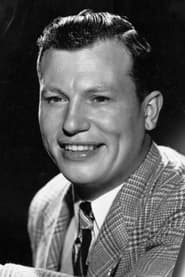
Harold Russell
Actor
Born: January 14, 1914 in Sydney, Nova Scotia, Canada Died: January 29, 2002 Active: 1945-1992 Birth Name: Harold John Russell
Films
1 film
About Harold Russell
Harold John Russell — remarkable figure in cinema history who transitioned from World War II veteran to Academy Award-winning actor. Born in Canada and raised in Massachusetts, Russell joined the Army after Pearl Harbor and lost both hands in a demolition accident during training in 1944. While recovering at Walter Reed Hospital, he was discovered by director William Wyler and cast in the documentary 'Diary of a Sergeant' (1945), which depicted his rehabilitation. This led to his landmark role as Homer Parrish in 'The Best Years of Our Lives' (1946), a performance that earned him two Academy Awards - one for Best Supporting Actor and another special honorary award for bringing hope and courage to other veterans. Despite his success, Russell never pursued full-time acting, instead focusing on his education and advocacy work for disabled veterans. He authored several books about his experiences and remained an influential figure in veterans' affairs throughout his life. His unique journey from real-life tragedy to cinematic triumph made him one of Hollywood's most inspirational figures.
The Craft
On Screen
Naturalistic and authentic, Russell brought genuine emotion and realism to his roles due to his real-life experiences. His performances were marked by understated dignity and quiet strength, particularly in portraying the challenges of returning veterans. He never received formal acting training, which contributed to his raw, unpolished screen presence that audiences found deeply moving and authentic.
Milestones
- Starred in 'The Best Years of Our Lives' (1946)
- Won two Academy Awards for his debut film role
- Appeared in the documentary 'Diary of a Sergeant' (1945)
- Authored autobiography 'Victory in My Hands' (1949)
- Advocated for disabled veterans throughout his life
- Sold his Oscar in 1992 to pay for wife's medical expenses
- Received special recognition from President Reagan in 1985
Best Known For
Iconic Roles
Must-See Films
Accolades
Won
- Academy Award for Best Supporting Actor (1946)
- Academy Honorary Award (1946)
- Golden Globe for Best Newcomer (1946)
Nominated
- None - he won all major awards for his debut performance
Special Recognition
- Presidential Citation for Meritorious Service (1985)
- Veterans of Foreign Wars Silver Medal of Merit
- Named to the Disabled American Veterans Hall of Fame
Working Relationships
Worked Often With
Studios
Why They Matter
Impact on Culture
Harold Russell's portrayal of a disabled veteran in 'The Best Years of Our Lives' had a profound impact on American cinema and society. His authentic performance helped break down stereotypes about disabled individuals and brought attention to the challenges faced by returning WWII veterans. The film's success, largely attributed to Russell's moving performance, influenced Hollywood to produce more socially conscious films addressing real-world issues. His presence in mainstream cinema helped normalize the representation of people with disabilities on screen, paving the way for greater inclusion in the entertainment industry.
Lasting Legacy
Harold Russell remains unique in cinema history as the only non-professional actor to win two Academy Awards for the same role. His legacy extends beyond his film achievements to his lifelong advocacy for disabled veterans and people with disabilities. His story exemplifies the American dream of overcoming adversity and finding purpose through service to others. The authenticity he brought to his screen performances set a standard for realistic acting that influenced subsequent generations of method actors. His life continues to inspire veterans and individuals facing physical challenges, demonstrating that disability need not limit one's potential for success and influence.
Who They Inspired
Russell's natural, untrained acting style influenced the move toward greater realism in Hollywood performances, particularly in films dealing with social issues. His success opened doors for other non-professional actors to be cast in meaningful roles. Directors began to recognize the value of authentic life experience in creating believable characters. His advocacy work inspired the film industry to become more socially conscious and aware of its responsibility to represent diverse experiences accurately. Russell's career demonstrated that compelling storytelling often requires genuine emotional truth rather than technical perfection.
Off Screen
Harold Russell married Betty Marshall in 1942, and they remained together until her death in 1996. They had three children: Gerald, Adele, and Edward. After his film career, Russell earned a business degree from Boston University and worked in various capacities including running a small business and serving as a veterans' advocate. In his later years, he faced financial difficulties that led him to sell his Academy Award, which sparked controversy and highlighted the challenges many aging actors face. He spent his final years in Massachusetts, continuing his advocacy work until his death at age 88.
Education
Attended high school in Cambridge, Massachusetts; Boston University (Business Degree)
Family
- Betty Marshall (1942-1996)
Did You Know?
- Lost both hands when a defective explosive detonated during Army training in 1944
- Was the first non-professional actor to win an Academy Award for acting
- Is the only person to win two Oscars for the same performance
- Initially refused the role in 'The Best Years of Our Lives' because he didn't want to be seen as exploiting his disability
- His hooks in the film were his actual prosthetic devices
- Sold his Best Supporting Actor Oscar at auction in 1992 for $60,500 to pay for his wife's medical expenses
- The buyer returned the Oscar to Russell out of respect
- Appeared in only a handful of films despite his Oscar success
- Worked as a bookkeeper and ran a small business after his acting career
- Wrote an autobiography titled 'Victory in My Hands' (1949)
In Their Own Words
I'm not an actor, and I never will be. I'm a veteran who was asked to do a picture.
The only thing I have to offer is my experience, and that's what I tried to give the audience.
When I got the Oscar, I didn't feel I deserved it. I was just a soldier who did his job.
My disability doesn't define me. My character and my actions do.
I hope my story shows people that no matter what happens to you, you can still make something of your life.
Frequently Asked Questions
Who was Harold Russell?
Canadian-American with credits in this catalog. He became famous for his role in 'The Best Years of Our Lives' (1946), for which he won two Academy Awards, making him the only non-professional actor to achieve this distinction.
What films is Harold Russell best known for?
Titles linked here include The Best Years of Our Lives (1946), Diary of a Sergeant (1945).
When was Harold Russell born and when did he die?
Born January 14, 1914; died January 29, 2002.
What awards did Harold Russell win?
Harold Russell won two Academy Awards in 1946 for his role in 'The Best Years of Our Lives': Best Supporting Actor and a special honorary award for bringing hope and courage to other veterans. He also received a Golden Globe for Best Newcomer that same year.
What was Harold Russell's acting style?
Russell's acting style was completely naturalistic and authentic since he had no formal training. He brought genuine emotion and real-life experience to his roles, particularly in portraying the challenges of disabled veterans. His performances were characterized by quiet dignity and raw emotional truth rather than technical polish.
How did Harold Russell lose his hands?
Russell lost both hands on June 6, 1944, while serving as an Army instructor. During a demolition training exercise at Camp Mackall, North Carolina, a defective explosive detonated prematurely, severely injuring both of his hands, which were subsequently amputated.
Did Harold Russell continue acting after his Oscar win?
Despite his Oscar success, Russell never pursued acting as a full-time career. He appeared in only a few films over the decades, preferring to focus on his education, business ventures, and advocacy work for disabled veterans. He considered himself primarily a veteran rather than an actor.