Farrokh Ghaffari
Actor & Director
Born: 1921 in Tehran, Iran Died: 2006 Active: 1940s-2000s
Films
1 film
About Farrokh Ghaffari
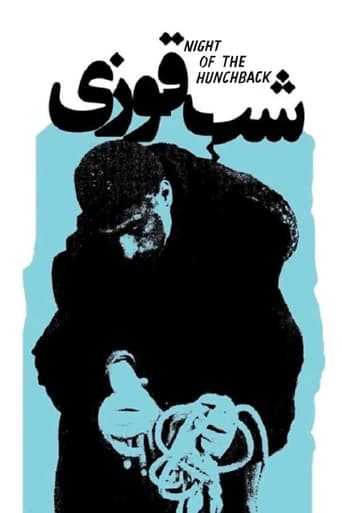
Played a foundational role in establishing modern Iranian cinema. Born in Tehran in 1921, he studied cinema in France and returned to Iran with a vision to transform the country's film landscape. He founded Iran's first film club, the Ciné-Club, which introduced Iranian audiences to international art cinema and fostered a new generation of filmmakers. Ghaffari worked extensively as a film critic and was instrumental in developing film theory and criticism in Iran. His most celebrated work, 'Night of the Hunchback' (1965), is considered a masterpiece of Iranian cinema and a landmark of the Iranian New Wave movement. Beyond directing, he also appeared as an actor in several films and served as a cultural ambassador for Iranian cinema internationally. His multiple decades, though his most productive period was in the 1960s when he helped establish Iran's reputation for sophisticated, artistic filmmaking.
The Craft
On Screen
Ghaffari's acting style was naturalistic and understated, reflecting his background in European cinema traditions. He favored subtle, nuanced performances over theatrical exaggeration, believing in the power of restraint and authenticity. His approach to acting was heavily influenced by his critical perspective on cinema, emphasizing psychological depth and emotional truth.
Behind the Camera
As a director, Ghaffari was known for his sophisticated visual storytelling and intellectual approach to filmmaking. He combined elements of Iranian literary tradition with European cinematic techniques, creating a unique aesthetic that was both culturally authentic and internationally sophisticated. His films often explored themes of social justice, human psychology, and cultural identity with a poetic, contemplative sensibility.
Milestones
- Founded Iran's first film club (Ciné-Club)
- Directed 'Night of the Hunchback' (1965)
- Pioneered film criticism in Iran
- Introduced international art cinema to Iranian audiences
- Mentored generations of Iranian filmmakers
- Served as cultural ambassador for Iranian cinema
Best Known For
Iconic Roles
Must-See Films
Accolades
Won
- Best Director at Tehran International Film Festival
- Lifetime Achievement Award from Iranian Film Critics Association
Nominated
- Golden Bear at Berlin International Film Festival for 'Night of the Hunchback'
Special Recognition
- Order of Culture and Art (Iran)
- Honorary member of International Film Critics Association
- Recognized as Father of Modern Iranian Cinema
Working Relationships
Worked Often With
Studios
Why They Matter
Impact on Culture
Farrokh Ghaffari's impact on Iranian cinema cannot be overstated - he essentially laid the groundwork for the Iranian New Wave movement that would later gain international acclaim. By founding Iran's first film club and introducing audiences to international art cinema, he created a sophisticated film culture that valued artistic expression over commercial entertainment. His critical writings established film theory as a serious discipline in Iran, elevating the discourse around cinema. His film 'Night of the Hunchback' demonstrated that Iranian stories could be told with artistic depth and universal appeal, paving the way for future Iranian filmmakers to gain recognition on the international stage.
Lasting Legacy
Ghaffari's legacy endures through the generations of Iranian filmmakers he influenced and the institutions he established. The Ciné-Club he founded became a model for film education and cultural exchange in Iran. His critical writings continue to be studied by film scholars, and his films are regarded as classics of Iranian cinema. Many of Iran's most internationally acclaimed directors, including Abbas Kiarostami, credit Ghaffari as a formative influence on their work. His vision of cinema as both art and cultural expression continues to shape Iranian filmmaking today.
Who They Inspired
Ghaffari influenced Iranian cinema by establishing a critical framework for understanding film as art, introducing European cinematic techniques while maintaining Iranian cultural authenticity, and mentoring filmmakers who would later achieve international recognition. His emphasis on cinema as a medium for cultural dialogue and artistic expression helped establish Iran's reputation for sophisticated, humanistic filmmaking. His work bridged traditional Iranian storytelling with modern cinematic language, creating a template for future Iranian filmmakers to follow.
Off Screen
Farrokh Ghaffari was married and had children, though he maintained a relatively private personal life despite his public prominence in Iranian cultural circles. He was known for his intellectual pursuits beyond cinema, including literature and philosophy. His family was supportive of his artistic endeavors, and he often credited them for enabling his creative work. He spent his later years continuing to write and lecture about cinema, remaining an influential figure in Iranian cultural life until his death in 2006.
Education
Studied cinema in France, attended film schools in Paris
Family
- Information not publicly available
Did You Know?
- Founded Iran's first film club in 1949
- Spoke multiple languages fluently including French and English
- Was a published poet and literary critic
- His film 'Night of the Hunchback' was based on a story from One Thousand and One Nights
- Was imprisoned briefly after the 1979 Iranian Revolution for his Western cultural influences
- Served as Iran's first official film festival director
- Wrote extensively about cinema theory in both Persian and French
- Was instrumental in bringing international film festivals to Iran
- His films were banned in Iran for many years after the revolution
- Is often called the 'Father of Modern Iranian Cinema'
In Their Own Words
Cinema is not entertainment, it is the poetry of our time
To make Iranian cinema, we must first understand what it means to be Iranian
The camera should be the eye of the soul, not just the recorder of events
Every frame should contain a universe of meaning
Frequently Asked Questions
Who was Farrokh Ghaffari?
Iranian on YTB.my. He founded Iran's first film club and is best known for directing 'Night of the Hunchback' (1965), considered a masterpiece of Iranian cinema.
What films is Farrokh Ghaffari best known for?
Titles linked here include Night of the Hunchback (1965), South of the City (1958).
When was Farrokh Ghaffari born and when did he die?
Born 1921; died 2006.
What awards did Farrokh Ghaffari win?
Ghaffari received the Best Director award at the Tehran International Film Festival and a Lifetime Achievement Award from the Iranian Film Critics Association. His film 'Night of the Hunchback' was also nominated for the Golden Bear at Berlin.
What was Farrokh Ghaffari's directing style?
Ghaffari's directing style combined Iranian literary traditions with European cinematic techniques, creating sophisticated visual storytelling with intellectual depth. He favored naturalistic performances and explored themes of cultural identity and social justice with poetic sensibility.
How did Ghaffari influence Iranian cinema?
Ghaffari established Iran's first film club, introduced international art cinema to Iranian audiences, and mentored generations of filmmakers including Abbas Kiarostami. He created the critical and cultural foundation for the Iranian New Wave movement.
Why is 'Night of the Hunchback' significant?
'Night of the Hunchback' is significant because it demonstrated that Iranian stories could be told with artistic depth and universal appeal, paving the way for Iranian cinema's international recognition. It's based on a story from One Thousand and One Nights but uses modern cinematic techniques.