
Joseph Barbera
Director
- Born
- March 24, 1911, New York City, New York, USA
- Died
- December 18, 2006
- Active
- 1930s-2000s
- Birth name
- Joseph Roland Barbera
Films directed 1
About Joseph Barbera
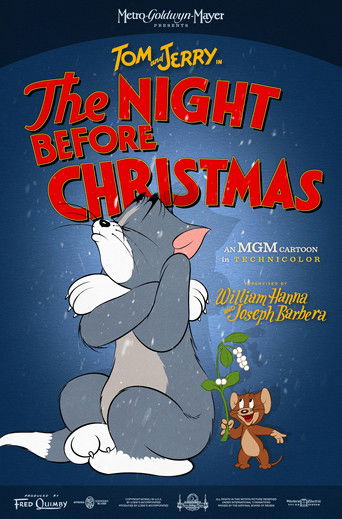
Joseph Roland Barbera was an American animator, director, producer, and story artist whose career helped define popular screen comedy in the twentieth century. Born in New York City, he began working in the animation industry during the early sound era and joined Metro-Goldwyn-Mayer in the 1930s, where he partnered with William Hanna to create one of the most successful collaborations in film and television history. Although he is sometimes listed in connection with early short subjects such as The Night Before Christmas (1941), Barbera is far better known as the co-creator and guiding force behind Tom and Jerry and as a pioneer of television animation through Hanna-Barbera Productions. He remained active for decades, moving from theatrical cartoons to a vast television output that included The Flintstones, Yogi Bear, The Huckleberry Hound Show, and many other enduring franchises. Barbera's work blended economical storytelling with strong visual gags, expressive character animation, and a knack for creating properties that appealed to both children and adults. Over his long career, he became one of the most influential figures in animated entertainment, shaping the look, pacing, and business model of modern cartoon production. He died in 2006, leaving behind one of the most important legacies in American animation history.
More about Joseph Barbera
Behind the camera
Barbera's directing style was rooted in visual clarity, comic timing, and efficiency. In theatrical shorts and television cartoons alike, he favored bold character silhouettes, rapid setup-and-payoff gags, and expressive reaction shots that communicated humor quickly. His direction often emphasized universal, dialogue-light storytelling, which made his cartoons accessible across languages and generations. He also became known for adapting production methods to television's tighter budgets and schedules while preserving strong personality-driven comedy.
In film history
Joseph Barbera had an enormous cultural impact because he helped shape both theatrical animation and the entire commercial language of television cartoons. Tom and Jerry became a global phenomenon, admired for its near-universal slapstick appeal, while Hanna-Barbera television series like The Flintstones and Scooby-Doo became fixtures of American popular culture and international syndication. His work proved that animated series could be built around recurring characters, merchandising, and broad family appeal, helping establish the template for later animation empires. Barbera also played a major role in making cartoons a central part of postwar childhood and family entertainment, with characters that remained recognizable across generations.
Later reputation
Barbera's legacy is inseparable from the evolution of animation as both an art form and an industry. He helped transition the medium from lavish theatrical shorts to efficient television series without losing the essential appeal of character comedy. The studio model he co-created with William Hanna became one of the most influential production systems in animation history, and its characters remain cultural icons worldwide. His Academy Award-winning Tom and Jerry shorts are still regarded as classics of visual comedy, while his television creations continue to be revived, referenced, and merchandised decades after their debut. In film history, he stands as one of the foundational architects of modern popular animation.
Influence
Barbera influenced generations of animators, writers, producers, and directors by demonstrating how strong character concepts could survive format changes from theatrical shorts to television. His emphasis on timing, clarity, and economical storytelling became especially important to the development of TV animation, where budgets and schedules demanded a disciplined approach. The success of his collaborations helped inspire countless studios to pursue character-based franchises, spin-offs, and long-running animated universes. His influence can be seen in later family animation, sitcom-style cartoons, and the merchandising-driven entertainment model that dominates much of children's media.
Off screen
Joseph Barbera was married to his wife, Sheila Holden, and the couple had one son. He was known to keep a relatively private personal life compared with his public professional profile, focusing most of his attention on work and creative production. Born to an Italian-American family in New York, he grew up in an urban environment that later informed his quick-witted approach to comedy and character interaction. Throughout his long life, he maintained close professional ties with William Hanna, whose collaboration with him became one of the most famous creative partnerships in entertainment history.
Education
He attended schools in New York City and is known to have studied at DeWitt Clinton High School and to have received some training in art and illustration, though much of his professional education came through on-the-job experience in animation and commercial art.
Credits
- Joined Metro-Goldwyn-Mayer and became half of the legendary Hanna-Barbera creative partnership with William Hanna
- Co-created Tom and Jerry, one of the most celebrated and enduring cartoon series in film history
- Won multiple Academy Awards for Tom and Jerry short subjects during the MGM era
- Helped build Hanna-Barbera Productions into the dominant force in American television animation
- Co-created major television icons including The Flintstones, Yogi Bear, Huckleberry Hound, The Jetsons, and Scooby-Doo
- Influenced the shift from high-budget theatrical animation to efficient, character-driven television production
- Received the Governors Award from the Television Academy in recognition of his impact on the medium
- Remained an active and widely recognized animation figure well into his later life
Roles
- Co-creator of Tom and Jerry
- Co-founder of Hanna-Barbera Productions
- Creator and producer of The Flintstones
- Creator and producer of Yogi Bear
- Creator and producer of Scooby-Doo
Films
- The Night Before Christmas (1941)
- Puss Gets the Boot (1940)
- The Cat Concerto (1947)
- Johann Mouse (1952)
- The Two Mouseketeers (1952)
Awards
- Academy Award for Best Animated Short Film for Yankee Doodle Mouse (1943)
- Academy Award for Best Animated Short Film for Mouse Trouble (1944)
- Academy Award for Best Animated Short Film for Quiet Please! (1945)
- Academy Award for Best Animated Short Film for The Cat Concerto (1946)
- Academy Award for Best Animated Short Film for Johann Mouse (1952)
- Daytime Emmy Award recognition for Hanna-Barbera-related television work
- Television Academy Governors Award
- Star on the Hollywood Walk of Fame
Nominations
- Multiple Academy Award nominations for Tom and Jerry theatrical shorts across the MGM years
- Primetime and Daytime Emmy recognition for Hanna-Barbera productions
- Various industry honors and retrospective award nominations across animation and television organizations
Honors
- Hollywood Walk of Fame star
- Television Academy Governors Award
- Disney Legends Award
- Inducted into the Television Academy Hall of Fame
- Recognition from the animation community as one of the founders of modern television cartoon production
Collaborators
- William Hanna
- Michael Lah
- Ed Benedict
- Daws Butler
- Don Messick
- June Foray
- Abe Levitow
Studios
- Metro-Goldwyn-Mayer
- Hanna-Barbera Productions
- Screen Gems
- MGM Cartoons
Family
- Sheila Holden (1938-2006)
Notes
- He is sometimes confused with the 1940s short-film credits connected to his early animation work, but he was not primarily a live-action film director.
- Barbera and William Hanna won more Academy Awards for animated shorts than any other team in their era.
- Tom and Jerry became one of the most famous cat-and-mouse duos in world entertainment, with extraordinarily broad international recognition.
- Hanna-Barbera Productions became a defining name in Saturday-morning television animation.
- The Flintstones was one of the first prime-time animated sitcoms and became a major cultural touchstone.
- Scooby-Doo helped establish the mystery-comedy formula that many later youth cartoons imitated.
- Barbera continued to be honored late in life as a foundational figure in American television history.
- His work helped normalize the idea that animation could be aimed at entire families, not just children.
Quotes
null
Questions
Who was Joseph Barbera?
Joseph Barbera was an American animator, director, producer, and one half of the famous Hanna-Barbera partnership with William Hanna. He helped create Tom and Jerry and later built some of the most successful television cartoons of the twentieth century, including The Flintstones, Yogi Bear, and Scooby-Doo.
What films and cartoons is Joseph Barbera best known for?
He is best known for the Tom and Jerry theatrical shorts made at MGM, especially award-winning entries like Yankee Doodle Mouse, The Cat Concerto, and Johann Mouse. He is also famous for major television creations such as The Flintstones, The Jetsons, Yogi Bear, Huckleberry Hound, and Scooby-Doo.
When was Joseph Barbera born and when did he die?
He was born on March 24, 1911, in New York City, New York, USA. He died on December 18, 2006, in Los Angeles, California, USA.
What awards did Joseph Barbera win?
Barbera won multiple Academy Awards for animated short films during the MGM years, including prizes for Yankee Doodle Mouse, Mouse Trouble, Quiet Please!, The Cat Concerto, and Johann Mouse. He also received major honors such as the Television Academy Governors Award, a Disney Legends Award, and a star on the Hollywood Walk of Fame.
What was Joseph Barbera's directing style?
His directing style emphasized sharp comic timing, clear visual storytelling, and expressive character reactions. He was especially skilled at making humor work quickly and economically, which became essential in both theatrical cartoons and television animation.
What is Joseph Barbera's legacy in film history?
Barbera is remembered as one of the most important architects of modern animation, especially for helping bridge the gap between theatrical cartoons and television series. His work set the standard for character-driven animated comedy and established a production model that shaped the industry for decades.