Films
1 film
About Sofya Levitina
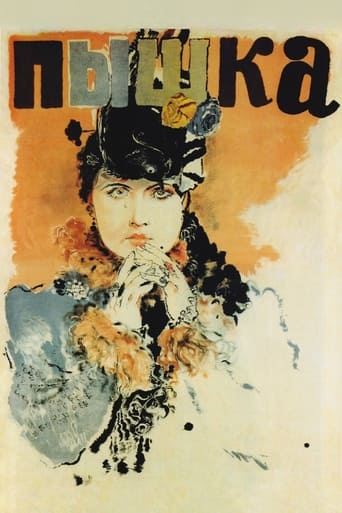
The 1934 film Boule de Suif is the only title linked here for Sofya Levitina. With her entire known filmography consisting of a single appearance in the 1934 adaptation of Guy de Maupassant's 'Boule de Suif.' Her brief career coincided with a transitional period in Soviet filmmaking as the industry moved from silent films to talkies. The film she appeared in was directed by Mikhail Romm, one of the prominent Soviet directors of the era, and was part of the early Soviet efforts to adapt classic Western literature for the screen. Unfortunately, detailed records about her life, training, or career beyond this single film appearance are scarce, which was not uncommon for character actors and supporting performers of the period, especially those whose careers were brief or who worked primarily in smaller roles. Her contribution to Soviet cinema, while limited to this one film, represents the broader landscape of actors who helped bring literary adaptations to life during this formative decade of Soviet film history.
The Craft
Milestones
- Appeared in the 1934 Soviet film adaptation of 'Boule de Suif'
Best Known For
Must-See Films
Working Relationships
Worked Often With
Studios
Why They Matter
Impact on Culture
Sofya Levitina's contribution to cinema, while limited to a single film appearance, is part of the broader tapestry of Soviet cinema's development during the 1930s. The film 'Boule de Suif' represented the Soviet Union's engagement with international literature and the effort to bring classic Western stories to Soviet audiences through the medium of film. Her participation in this adaptation, even if in a supporting role, contributed to the cultural exchange and artistic interpretation that characterized early Soviet sound cinema.
Lasting Legacy
As an actress with only one known film credit, Sofya Levitina's legacy is primarily preserved through her participation in the 1934 adaptation of 'Boule de Suif.' While she may not have achieved the lasting fame of some of her contemporaries, her work represents the countless actors who formed the foundation of Soviet cinema's golden age, contributing to films that have become part of cinema history even when individual performers have been largely forgotten by time.
Who They Inspired
Due to the limited scope of her known film work, specific information about Sofya Levitina's influence on other actors or filmmakers is not available in historical records. However, like many actors of her generation, she would have been part of the evolving acting techniques and styles that developed during the transition from silent to sound cinema in the Soviet Union.
Off Screen
Very little information is available about Sofya Levitina's personal life, which was not uncommon for supporting actors in 1930s Soviet cinema, especially those with brief careers. Historical records from this period were often incomplete for performers who were not major stars, and many details about the lives of character actors from this era have been lost to time.
Did You Know?
- Her entire known film career consists of a single film appearance in 1934
- The film 'Boule de Suif' was an adaptation of a famous short story by French writer Guy de Maupassant
- The 1934 Soviet version of 'Boule de Suif' was directed by Mikhail Romm, who would become one of the Soviet Union's most respected directors
- The film was made during the early years of sound cinema in the Soviet Union
- Like many Soviet actors from the 1930s, detailed biographical information about her life is scarce in historical records
Frequently Asked Questions
Who was Sofya Levitina?
Screen credits include only one known film, the 1934 adaptation of 'Boule de Suif.' She worked during the early sound era of Soviet cinema, though detailed information about her life and career is limited.
What films is Sofya Levitina best known for?
Titles linked here include Boule de Suif (1934).
When was Sofya Levitina born and when did she die?
Specific birth and death dates for Sofya Levitina are not available in historical records, which was common for supporting actors from 1930s Soviet cinema who were not major stars.
What awards did Sofya Levitina win?
There are no recorded awards or nominations for Sofya Levitina, which is not unusual for character actors with brief careers in 1930s Soviet cinema.
What was Sofya Levitina's acting style?
Specific details about Sofya Levitina's acting style are not documented in available historical sources, as her known filmography consists of only one appearance and she was not a major star whose techniques were widely recorded or analyzed.