Noor Mohammad Charlie
Actor
Born: 1911 in Sialkot, Punjab, British India (now Pakistan) Died: June 30, 1983 Active: 1930s-1950s Birth Name: Noor Mohammad
Films
2 films
About Noor Mohammad Charlie
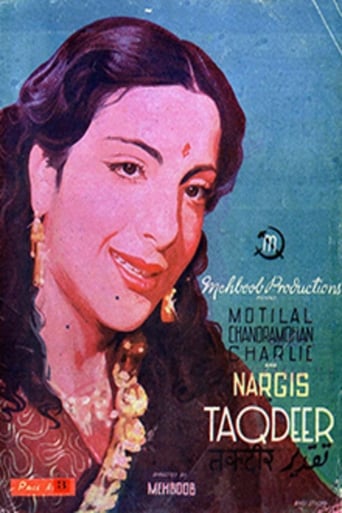
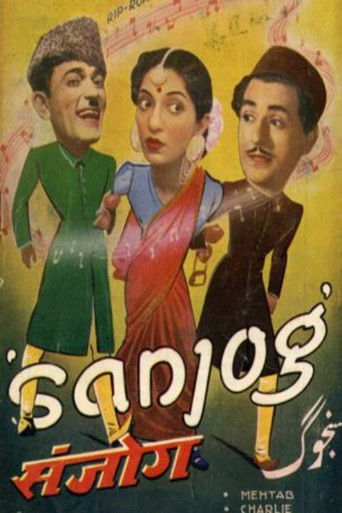
Comic actor in early Indian cinema, renowned for his Chaplin-esque style and physical comedy. Born in Sialkot (now in Pakistan) in 1911, he began his career in the Lahore film industry before moving to Bombay, where he rose to prominence during the 1930s and 1940s. His stage name 'Charlie' was inspired by Charlie Chaplin, whose comedic style he emulated and adapted for Indian audiences. Throughout his career spanning over two decades, he appeared in more than 50 films, establishing himself as recognizable comic actors of his era. His performances in films like Taqdeer (1943) and Sanjog (1943) showcased his unique ability to blend slapstick humor with emotional depth. After the partition of India in 1947, he continued working in the Indian film industry, though his prominence gradually waned with the emergence of new comedic styles. He remained active in films through the 1950s before retiring from the industry, leaving behind a legacy as one of early Indian cinema's most beloved comic performers.
The Craft
On Screen
Noor Mohammad Charlie was famous for his physical comedy and slapstick humor, heavily influenced by Charlie Chaplin's style but adapted for Indian sensibilities. His performances featured exaggerated facial expressions, pratfalls, and comedic timing that resonated with audiences of the era. He often played the lovable underdog or comic relief character, bringing pathos alongside humor to his roles. His style included trademark props like a bowler hat and cane, similar to Chaplin's Little Tramp persona, but incorporated elements of Indian street theater and folk performance traditions.
Milestones
- Breakthrough role in Lahore film industry before moving to Bombay
- Established himself as premier comic actor in 1940s Hindi cinema
- Appeared in over 50 films throughout his career
- Successfully transitioned from silent to talkie era
- Known for Chaplin-inspired comedic style adapted for Indian audiences
Best Known For
Iconic Roles
Must-See Films
Accolades
Special Recognition
- Recognized as one of early Indian cinema's comic actors
- Remembered for popularizing Chaplin-style comedy in Indian films
Working Relationships
Worked Often With
Studios
Why They Matter
Impact on Culture
Noor Mohammad Charlie played a significant role in shaping the archetype of the comic actor in early Indian cinema. His adaptation of Chaplin's style for Indian audiences helped bridge cultural gaps and introduced a new form of physical comedy to Indian film. During a period when Indian cinema was still developing its own language and conventions, Charlie's work demonstrated how Western cinematic influences could be successfully localized. His performances provided comic relief in dramatic narratives and helped establish the importance of comedy in mainstream Indian films, a tradition that continues to this day.
Lasting Legacy
Noor Mohammad Charlie's legacy endures as one of the foundational figures of Indian film comedy. He represents an important transitional figure between the silent era and the golden age of Hindi cinema, successfully adapting his craft across different technological and cultural shifts. While later generations of Indian comic actors may not directly cite him as an influence, his work helped establish many conventions of Indian film comedy that persist today. His films, though rarely screened now, are studied by film historians as examples of early Indian popular cinema and the cross-cultural influences that shaped it.
Who They Inspired
Charlie's influence can be seen in the work of later Indian comic actors who incorporated physical comedy and Chaplin-esque elements into their performances. His success proved that Indian audiences would respond positively to localized versions of international comedy styles. The template he established for the comic sidekick in Indian films - providing both humor and occasional emotional depth - became a standard trope in Bollywood cinema. His ability to transition from silent films to talkies also provided a model for other actors facing the technological revolution in cinema.
Off Screen
Noor Mohammad Charlie was born into a Muslim family in Sialkot during British colonial rule. His family moved to Lahore where he developed an interest in performing arts. After establishing himself in films, he married and had children, though details about his family life remain relatively private. Following the partition of India in 1947, he chose to remain in India and continue his film career in Bombay rather than moving to Pakistan. He spent his later years away from the limelight, living a quiet life until his death in 1983.
Education
Limited formal education, likely educated in Lahore during British era
Family
- Unknown - details not publicly documented
Did You Know?
- His stage name 'Charlie' was directly inspired by Charlie Chaplin
- He often performed his own stunts and pratfalls, similar to Chaplin
- Started his career in Lahore's thriving film industry before moving to Bombay
- His costumes typically included a bowler hat and cane as homage to Chaplin
- Appeared in both Hindu mythological films and contemporary social dramas
- Was one of the few Muslim actors who successfully continued his career in Bombay after partition
- His comic timing was considered so precise that directors often gave him improvisational freedom
- Worked extensively with actress Suraiya in several films
- His films were popular not just in India but also in other British colonies
- Maintained his comic persona even in serious dramatic roles
In Their Own Words
(No documented famous quotes available - early Indian cinema actors rarely had their words recorded for posterity)
Frequently Asked Questions
Who was Noor Mohammad Charlie?
What films is Noor Mohammad Charlie best known for?
When was Noor Mohammad Charlie born and when did he die?
Born 1911; died June 30, 1983.
What awards did Noor Mohammad Charlie win?
During his era, formal award systems for Indian cinema were not well-established. While he didn't receive major formal awards, he was recognized as one of early Indian cinema's comic actors and left a lasting impact on Indian film comedy.
What was Noor Mohammad Charlie's acting style?
His acting style was characterized by physical comedy and slapstick humor heavily influenced by Charlie Chaplin. He used exaggerated facial expressions, pratfalls, and comedic timing, often incorporating props like a bowler hat and cane while adapting Chaplin's style for Indian audiences.
How did Noor Mohammad Charlie influence Indian cinema?
He helped establish the archetype of the comic actor in Indian films and demonstrated how Western comedy styles could be successfully localized. His work influenced later generations of Indian comic actors and established conventions of film comedy that persist in Bollywood today.