
Films
3 films
About Cornelius Keefe
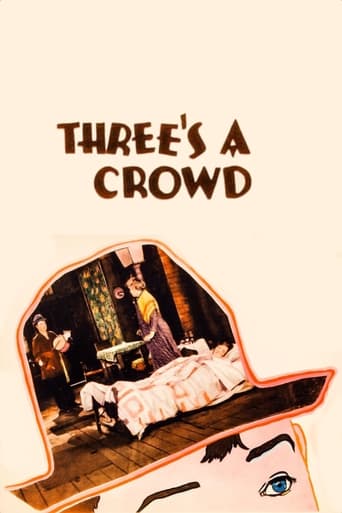
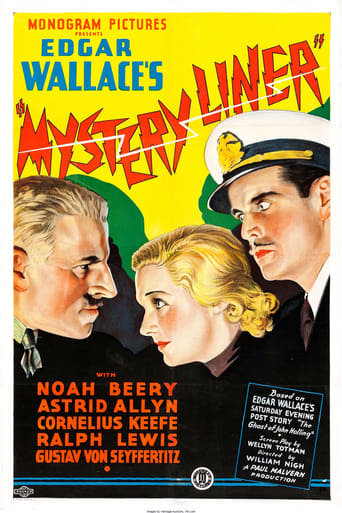
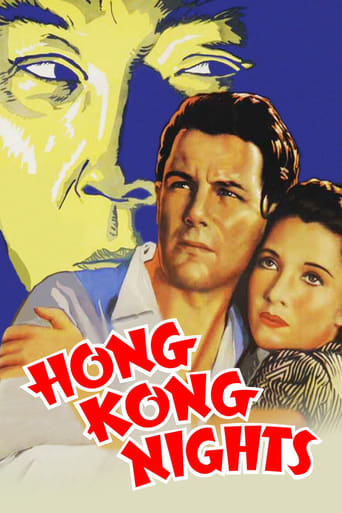
American film actor active during the transition from silent cinema to the early sound era, appearing in a small but notable group of pictures between the late 1920s and mid-1930s. He is best remembered today for character and supporting roles in programmers and genre films rather than as a major star, and his screen career appears to have been concentrated in Hollywood during a relatively brief period. His credits include the silent-era comedy Three's a Crowd (1927) and later talkies such as Mystery Liner (1934) and Hong Kong Nights (1935), which place him squarely in the era when studios were refining acting styles for sound film. Like many performers of his type, Keefe's surviving record is sparse, and detailed personal documentation such as birth and death data is not readily verifiable from standard reference sources. His filmography suggests a working actor who moved comfortably through supporting parts in commercial cinema, likely building experience in the studio system without reaching sustained marquee status. Because available documentation is limited, much of his life outside the screen remains obscure, but his credits preserve him as part of the large body of actors who helped shape the texture of classic Hollywood productions.
The Craft
On Screen
No detailed contemporary criticism of Cornelius Keefe's acting style is readily documented in standard reference material. Based on the kinds of films in which he appeared, he likely employed a straightforward, efficient style typical of supporting players in late silent and early sound pictures, emphasizing clarity of expression and practical screen presence over overt theatricality. His career spanning the silent-to-talkie transition suggests he was adaptable to changing performance demands, especially the more naturalistic delivery required by sound films.
Milestones
- Appeared in the silent comedy Three's a Crowd (1927), placing him in the final years of silent-era feature production.
- Worked successfully into the early sound period, with credits in Mystery Liner (1934) and Hong Kong Nights (1935).
- Maintained a screen presence across both silent and talking pictures, suggesting adaptability during a major industry transition.
- Contributed to studio-era genre filmmaking in supporting roles rather than as a headliner, a common and important career path in classic Hollywood.
- Preserved in surviving filmographies as part of the working character-actor cadre of 1930s cinema.
Best Known For
Iconic Roles
Must-See Films
Why They Matter
Impact on Culture
Cornelius Keefe's cultural impact lies less in celebrity than in representation: he is one of the many working actors whose performances helped populate the studio-era screen world and give classic films their lived-in texture. Performers like Keefe were essential to the functioning of Hollywood's assembly-line production system, appearing in supporting parts that anchored plots, provided continuity, and balanced star turns. His career also illustrates the profession's volatility during the silent-to-sound transition, when many actors moved quickly through the industry without leaving extensive biographical footprints. Even with limited surviving information, his presence in late-1920s and mid-1930s films makes him part of the connective tissue of classical Hollywood history.
Lasting Legacy
Keefe's legacy is primarily archival and historical: he survives through film credits rather than through a body of star publicity or major awards. For film historians and database researchers, his name is valuable because it helps reconstruct the broader ecosystem of classic cinema, where hundreds of actors contributed to the production of features that shaped audience tastes. His career demonstrates how many performers functioned as reliable supporting artists across changing technological eras, from silent film conventions to the demands of synchronized sound dialogue. In that sense, his legacy is tied to the everyday labor of Hollywood's studio system and the preservation of less-prominent names in film history.
Who They Inspired
There is no evidence that Cornelius Keefe — major stylistic influence on later stars or directors in the way marquee performers were. His influence is indirect, embodied in the example of the professional supporting actor whose adaptability helped studio films maintain consistency across genres and eras. To the extent that he influenced others, it would have been through the practical craft of screen acting in ensemble filmmaking, rather than through a widely recognized personal brand or school of performance.
Off Screen
Reliable biographical information about Cornelius Keefe's personal life is not readily available in standard classic-cinema references. No verified details concerning marriage, family, residence, or later-life activities could be confidently established from the sources typically used for vintage film personalities. As a result, his off-screen life remains largely undocumented in the public record, which is common for many supporting actors of the silent and early sound eras.
Did You Know?
- Cornelius Keefe's known screen career spans both the silent era and the early sound era.
- His surviving filmography is brief, which is typical of many supporting actors whose records were not extensively preserved.
- He appeared in Three's a Crowd in 1927, a year near the end of silent feature dominance.
- His later credits include Mystery Liner and Hong Kong Nights, both from the mid-1930s.
- He is not widely documented in mainstream biographical references, making him a somewhat obscure but legitimate classic-Hollywood figure.
- Because his personal details are scarce, he is often encountered primarily through film credit databases rather than biographies.
- His career is a useful example of how many actors worked steadily without becoming household names.
- The limited record surrounding him makes him of special interest to historians documenting lesser-known participants in early Hollywood.
Frequently Asked Questions
Who was Cornelius Keefe?
American with credits in this catalog. He is best known from surviving film credits rather than from star publicity, and his career appears to have consisted mainly of supporting roles.
What films is Cornelius Keefe best known for?
Titles linked here include Three's a Crowd (1927), Mystery Liner (1934).
When was Cornelius Keefe born and when did he die?
His birth and death dates are not readily verifiable in standard classic-cinema reference sources. For that reason, both details should be treated as unknown unless supported by a reliable archival source.
What awards did Cornelius Keefe win?
No known major awards or nominations are documented for Cornelius Keefe in the available classic film record. He appears to have had a career as a working supporting actor rather than as an awards-recognized star.
What was Cornelius Keefe's acting style?
There is no detailed critical record describing a distinctive signature style, but his filmography suggests a practical, adaptable screen presence. Actors in his position typically needed to be clear, efficient, and able to adjust from silent-era expression to the more naturalistic demands of sound films.
What is Cornelius Keefe's legacy in film history?
His legacy is that of a professional supporting actor whose work reflects the broader fabric of classic Hollywood. Even without star status, performers like Keefe were essential to the realism and momentum of studio-era films, and their credits help historians understand the full personnel network of early cinema.